
Protein powder is widely used as a convenient way to boost daily protein intake, and according to EatingWell, its popularity continues to grow. Here’s how it can affect your body when used regularly.
What protein powder is
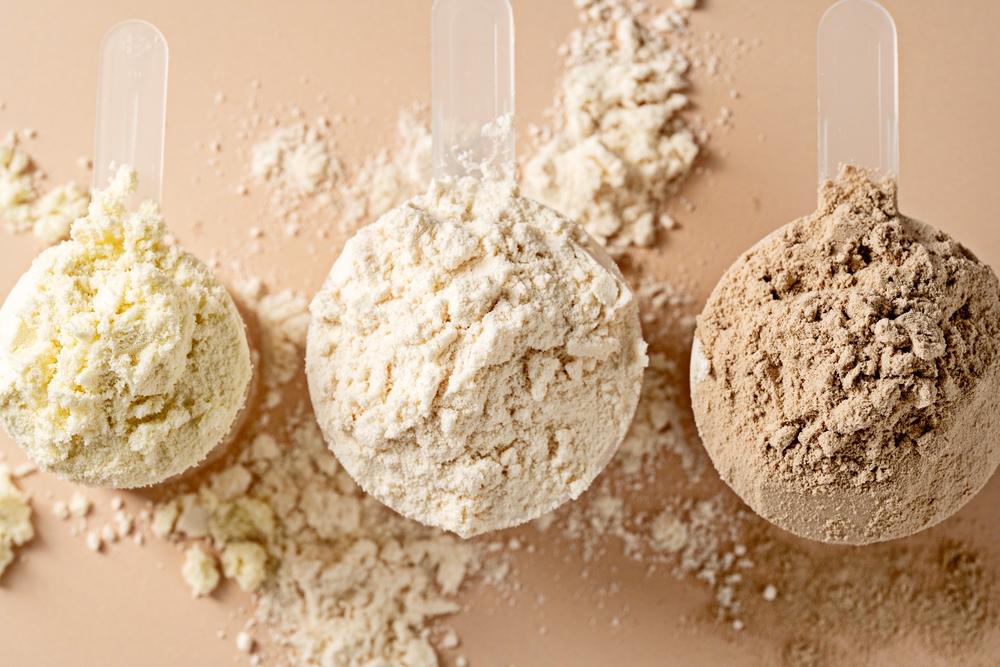
Protein powder is made from either animal sources like milk or plant sources such as peas, soy, and hemp, and can provide up to 25 grams of protein per serving.
May promote muscle growth

A higher intake of protein is linked to increased lean muscle mass, making protein powder a practical option for those who exercise frequently.
May support recovery

When recovering from injuries or wounds, the body requires more protein. Increasing intake can help repair tissues and preserve muscle mass.
Also read: How raisins can affect your body if you eat them every day
Fast and slow digestion types
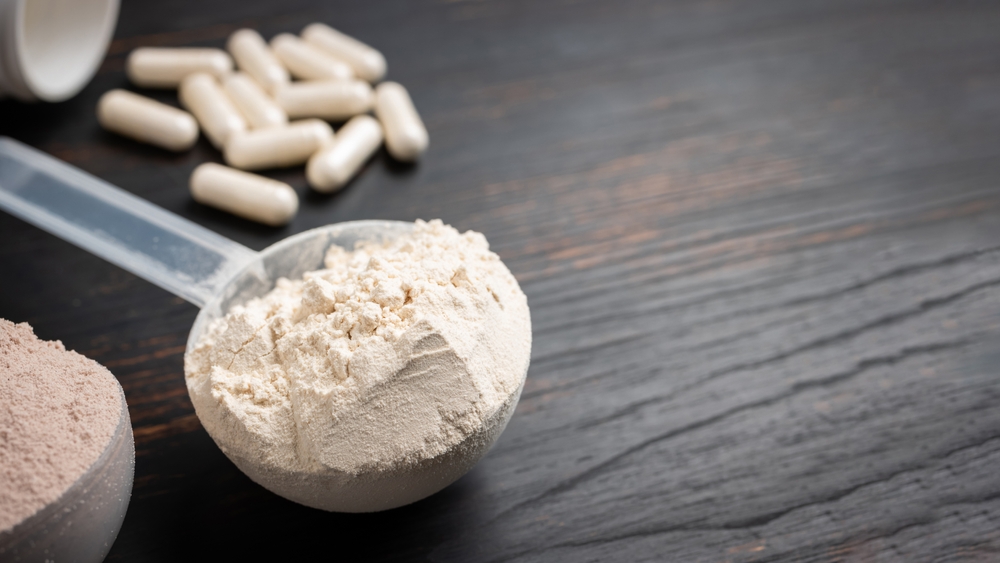
Whey protein is absorbed quickly, while casein digests more slowly, helping to provide a longer-lasting feeling of fullness.
An easy way to boost protein intake

Adding a scoop to smoothies, drinks, or recipes offers a simple way to increase protein consumption without cooking.
The role of protein in the body

Protein is one of the three essential macronutrients needed for proper body function and overall health.
May help with weight management

Protein can enhance satiety, which may support weight-loss efforts, although results depend on multiple factors.
Also read: New research: The gut may be key to slowing cognitive decline
May support healthy blood pressure

Regular intake of whey protein has been associated with reductions in systolic blood pressure.
Nutritional content varies
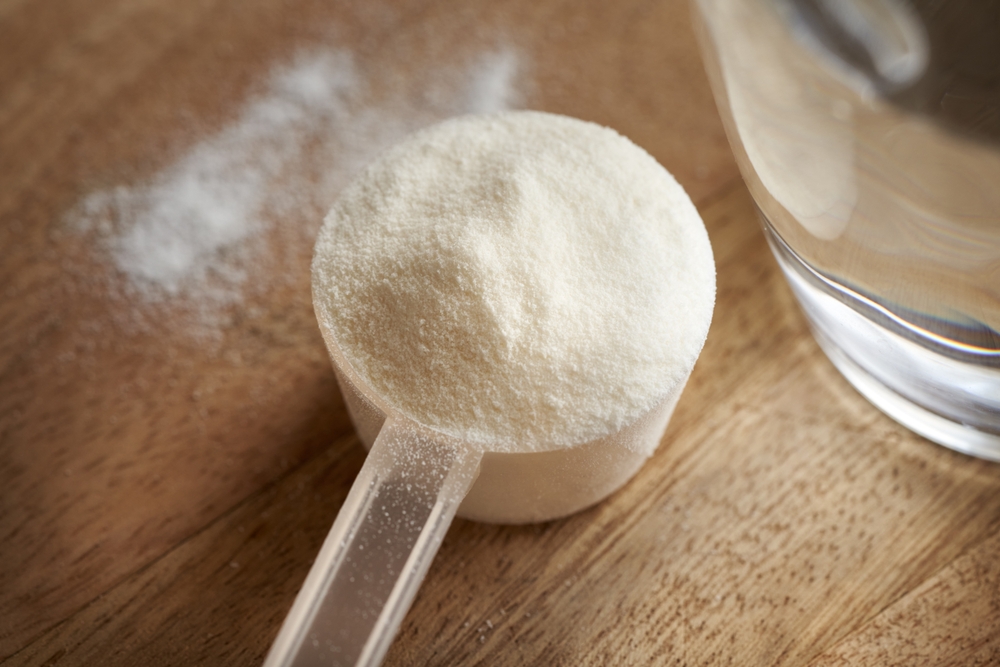
Different types of protein powder contain varying levels of calories, fats, fiber, and minerals depending on their source.
May contain added ingredients

Some products include added sugars, fillers, or allergens that may not be suitable for everyone.
Potential presence of heavy metals

Certain protein powders may contain trace amounts of heavy metals, which could pose health risks with long-term exposure.
Also read: Man declared free of HIV after rare treatment
Choosing quality matters

Because protein powder is classified as a supplement and not strictly regulated like food, selecting products with third-party testing such as USP or NSF is recommended.
Can be used in everyday meals

Protein powder can be incorporated into smoothies, overnight oats, and baked goods to increase protein intake.
Also read: Trump’s diet soda habit fuels debate among health experts
This article is made and published by Mie Hermansen, who may have used AI in the preparation.