
According to an article from EatingWell, raisins may be a small but nutrient-dense addition to your diet. These naturally sweet dried grapes can support both digestion and heart health when eaten in moderation.
An easy way to get more fruit

Raisins can serve as a convenient alternative to fresh fruit and help you meet your daily fruit intake.
Naturally sweet

Their sweetness comes mainly from naturally occurring sugars found in the fruit.
A quick source of energy
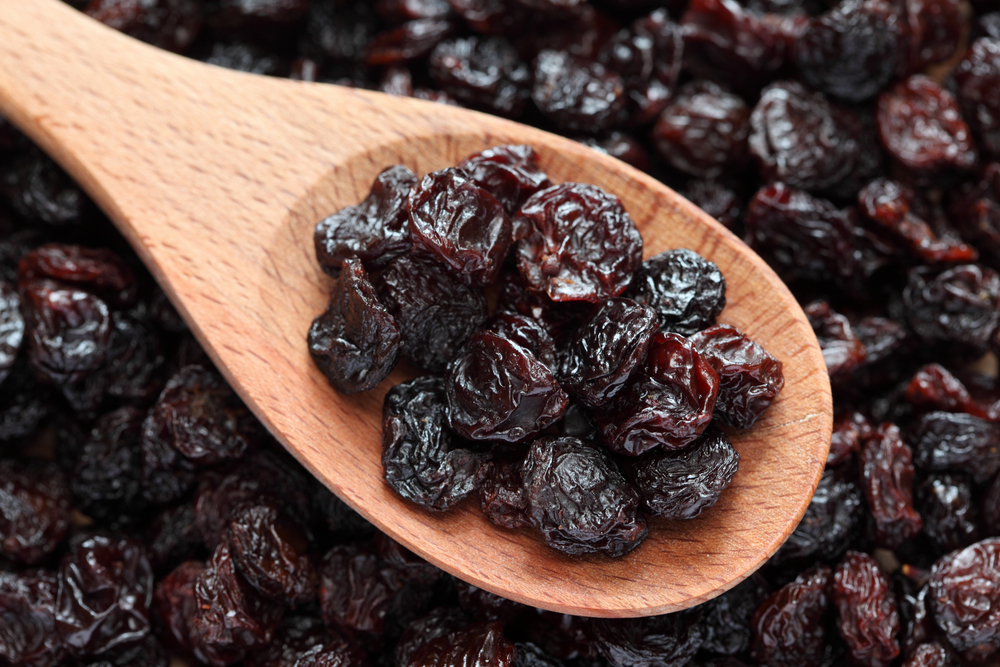
A 1/4-cup serving contains about 120 calories and a high amount of carbohydrates, making them a fast energy boost.
Also read: New research: The gut may be key to slowing cognitive decline
Rich in dietary fiber

Raisins provide fiber, which supports digestion and contributes to heart health.
Supports gut bacteria

The fiber in raisins helps feed beneficial bacteria in the gut, promoting a healthy microbiome.
May support long-term blood sugar control

Research suggests that eating raisins as a snack may have a positive effect on blood sugar over time.
Contains potassium

Potassium plays a key role in muscle function, heart rhythm, and fluid balance in the body.
Also read: Man declared free of HIV after rare treatment
May help lower blood pressure

Higher potassium intake can help the body reduce sodium levels, which may support healthy blood pressure.
Provides iron

Raisins contain iron, an essential mineral for oxygen transport and overall development.
Iron absorption can be improved

Pairing raisins with vitamin C-rich foods can enhance the absorption of their iron.
Contains antioxidants and prebiotics

These compounds may support heart health, improve oral health, and benefit digestion.
Also read: Trump’s diet soda habit fuels debate among health experts
Best enjoyed in moderation
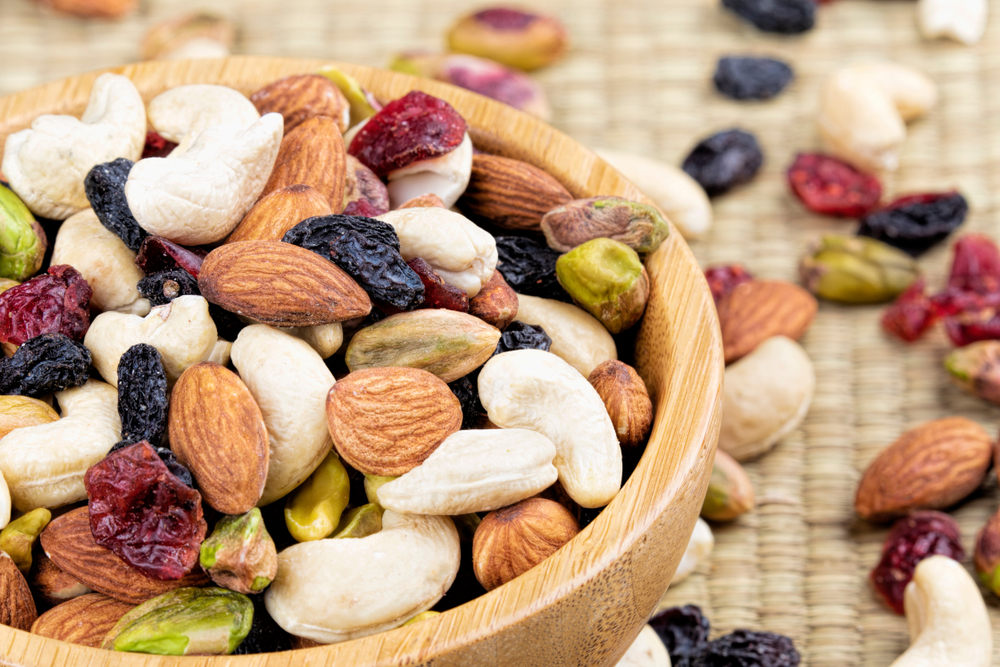
Eating too many raisins may cause digestive discomfort, and people with diabetes should monitor portion sizes.
Also read: New study: Common gout medication may reduce risk of blood clots
This article is made and published by Mie Hermansen, who may have used AI in the preparation.