
Red meat like beef, lamb, and pork is a staple in many diets. In moderation it can be part of a healthy lifestyle, but high intake may have consequences for both the heart and overall health, reports Real Simple.
Red meat includes several types
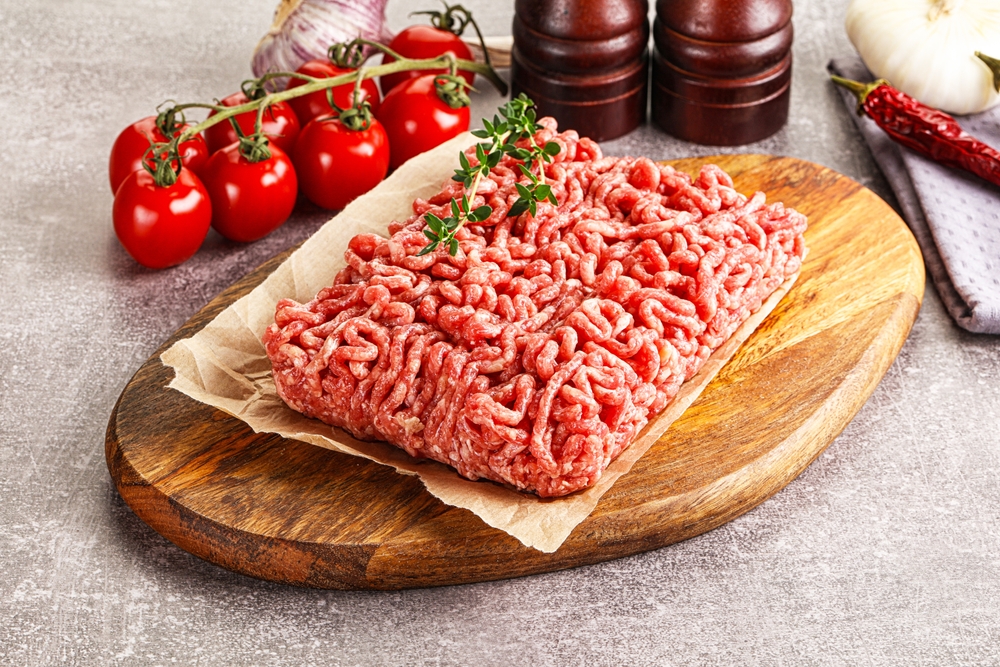
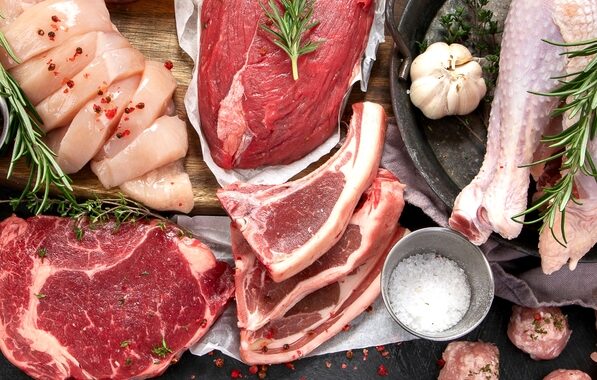
Red meat covers beef, pork, lamb, mutton, veal, and goat, all of which are commonly used sources of protein.
Red meat is high in protein
It contains a significant amount of protein, making it an efficient way to meet the body’s protein needs.
Contains important nutrients
Depending on the type, red meat provides iron, vitamin B12, and minerals such as zinc and selenium.
Also read: Lululemon investigated for harmful PFAS in sportswear
Lacks fiber and certain vitamins
It does not contain fiber, antioxidants, or vitamin C, which are typically found in plant-based foods.
Contains high levels of saturated fat
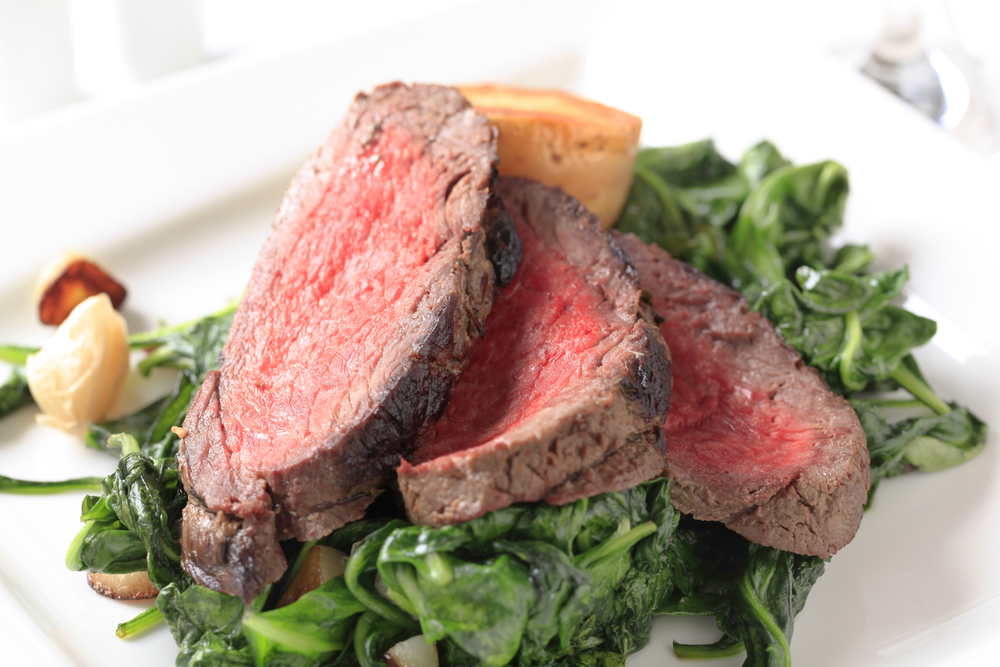
Red meat generally has more saturated fat and less unsaturated fat compared to other animal proteins like fish and poultry.
Raises bad cholesterol
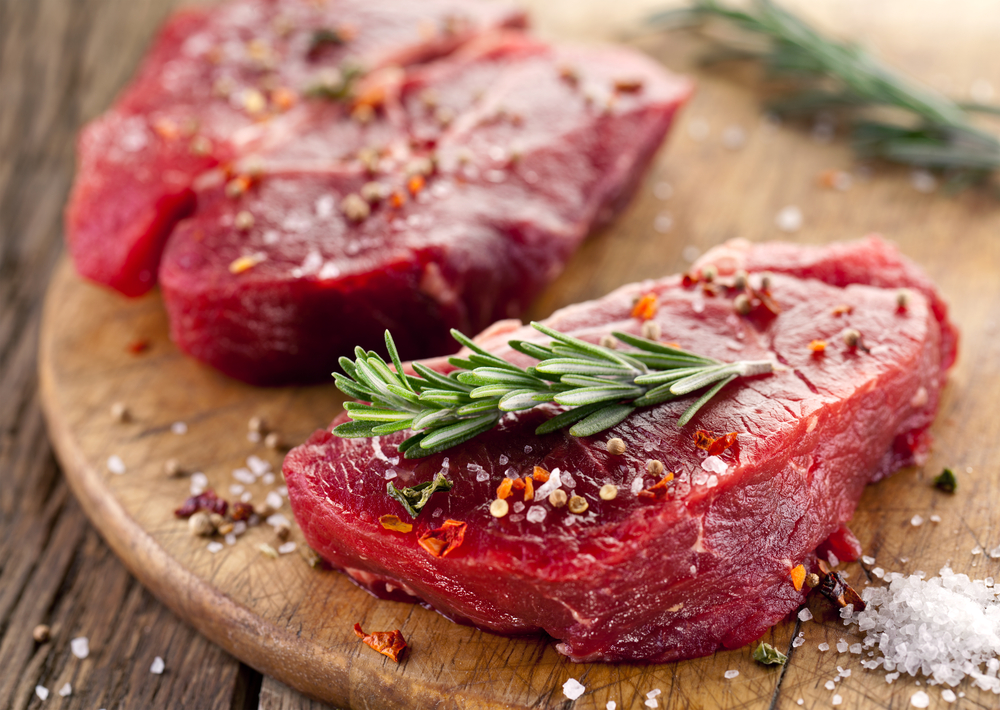
A high intake of saturated fat can increase LDL cholesterol levels by reducing the body’s ability to remove it from the bloodstream.
Can lead to plaque buildup
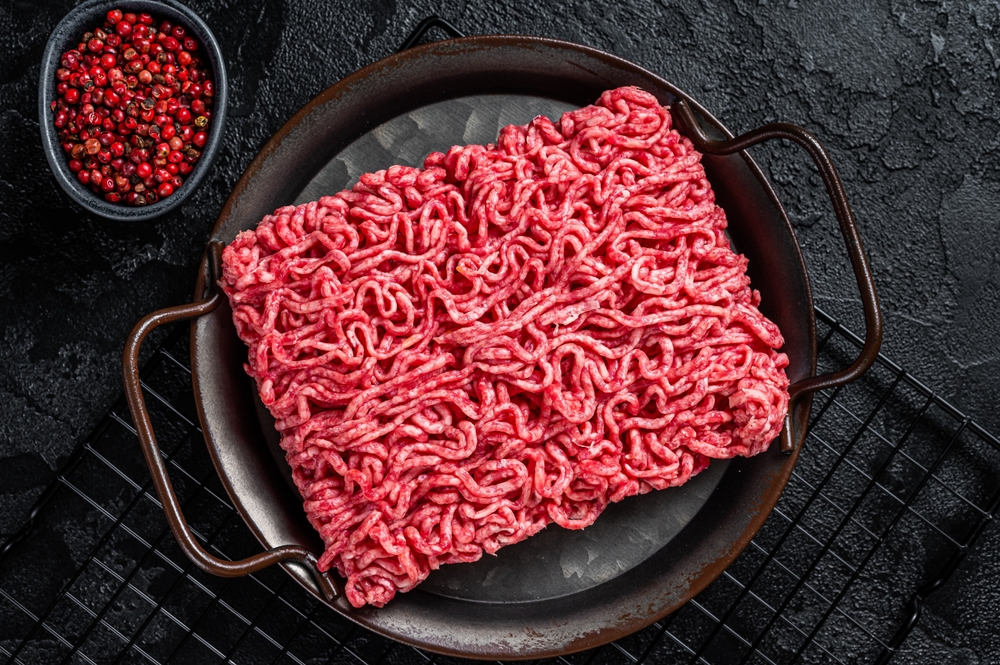
Elevated LDL cholesterol can result in plaque forming in the arteries, increasing the risk of heart attack and stroke.
Also read: Five years without ultra-processed food – here's how it has affected a family’s health
Processing increases sodium content
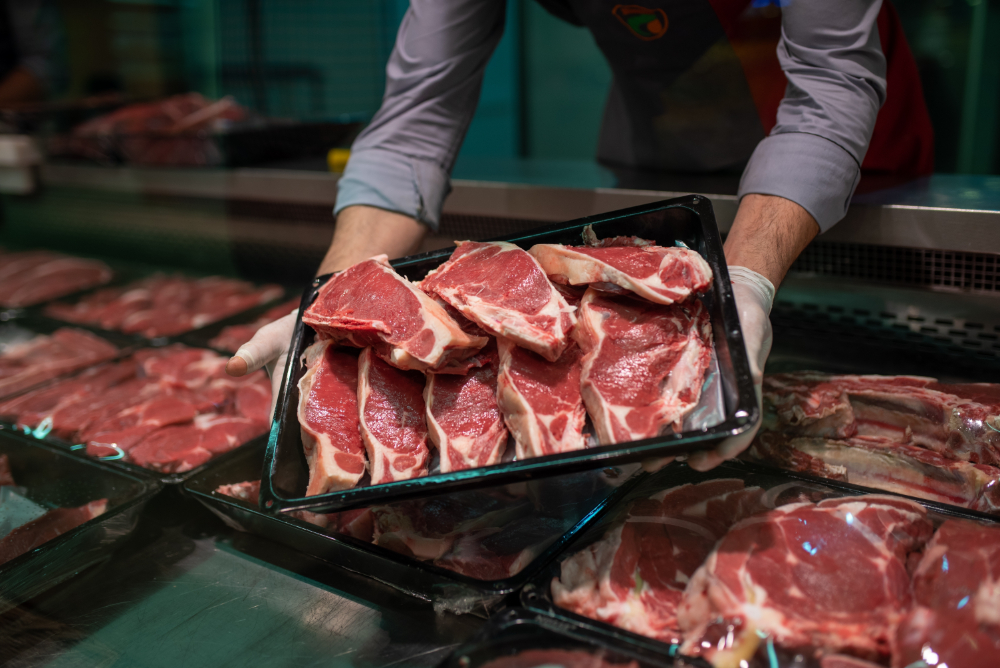
Products like bacon, sausages, and deli meats often contain high amounts of added salt compared to fresh meat.
Sodium can raise blood pressure

High sodium intake causes the body to retain water, increasing blood pressure and putting extra strain on the heart.
Gut bacteria produce TMAO

During digestion, gut bacteria can convert compounds in red meat into TMAO, which is linked to a higher risk of heart disease.
Can affect multiple organs
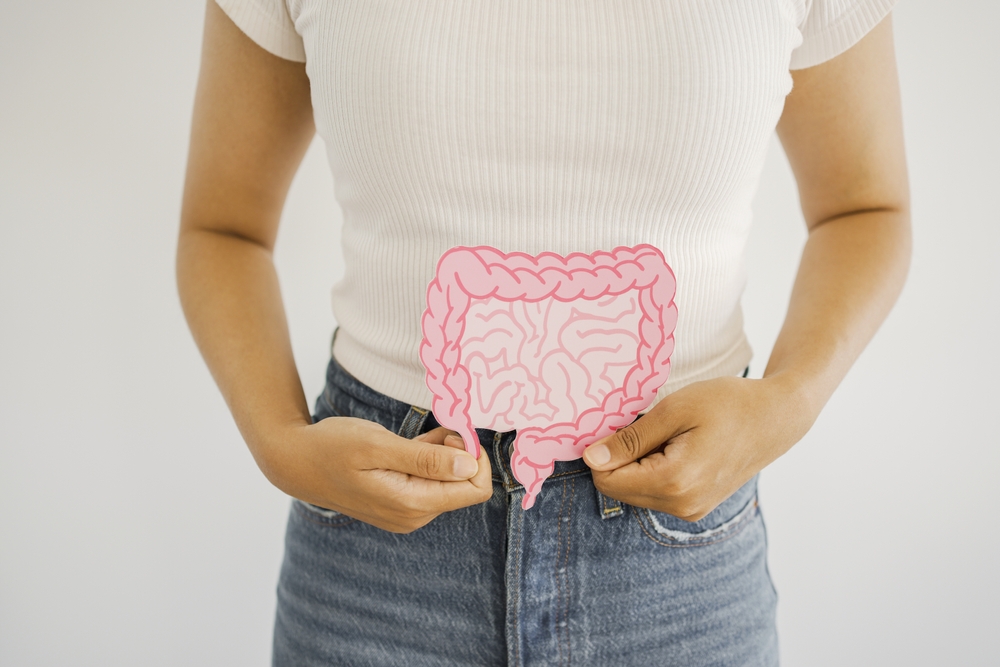
High consumption may also impact gut health, strain the kidneys, and be associated with metabolic issues.
Also read: How canned sardines can affect your body if you eat them regularly
Recommended intake is limited
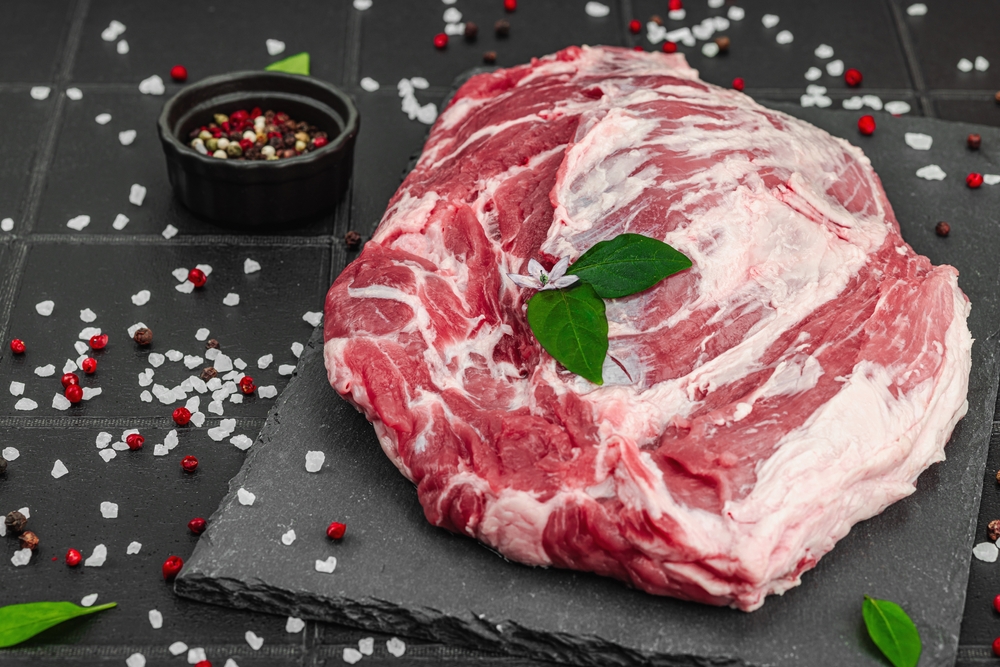
Experts suggest limiting red meat to one to three servings per week and balancing intake with other protein sources.
Also read: New poll: 61 percent of Americans view Trump as more unpredictable
This article is made and published by Mie Hermansen, who may have used AI in the preparation.