
Dark chocolate may help lower blood pressure slightly if eaten in moderate amounts every day.
Experts also told Prevention that diet in general plays a major role in heart health and blood pressure.
Blood pressure

Researchers believe that dark chocolate may contribute to slightly lower blood pressure, especially when consumed regularly and in moderation.
Flavonoids

Dark chocolate contains flavonoids, which are plant-based antioxidants. They may help blood vessels widen and improve blood flow.
Also read: Many take magnesium every day – experts warn of risks
Better blood circulation
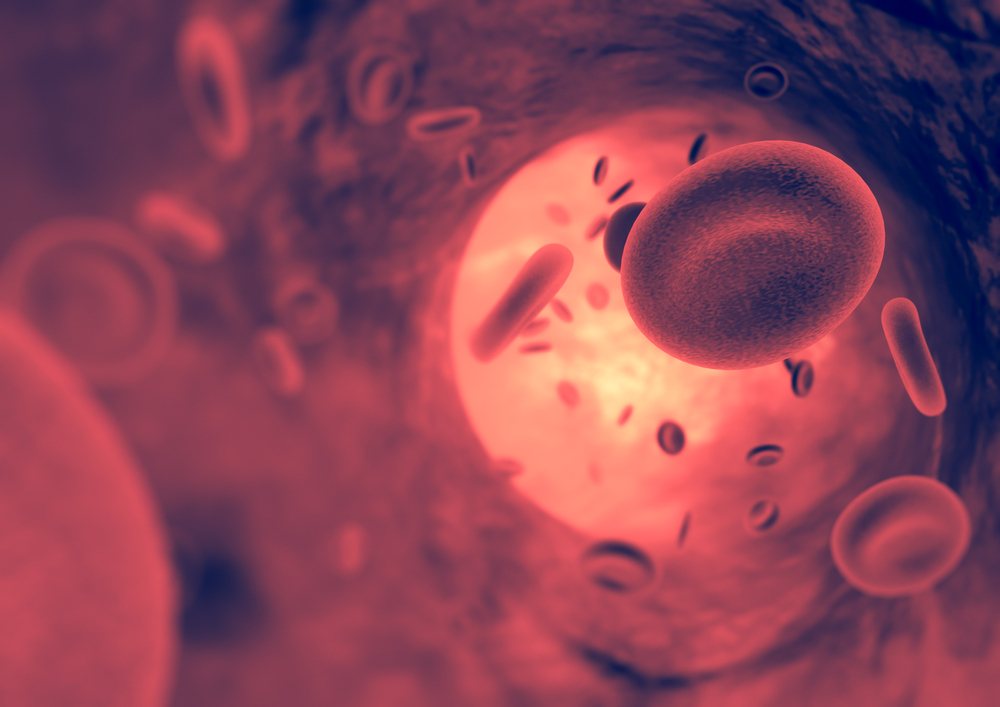
When blood vessels widen, blood can move more easily throughout the body and reach the brain and heart more efficiently.
Small improvements

A study published in Frontiers in Immunology found that diets rich in flavonoids may lead to small reductions in both systolic and diastolic blood pressure.
Dark chocolate versus milk chocolate

A 2020 study published in the Journal of the American College of Nutrition showed that women experienced a smaller increase in blood pressure during stress when eating dark chocolate instead of milk chocolate.
The results were not conclusive

However, the same study also showed that dark chocolate could increase systolic blood pressure when participants were at rest.
Also read: Walking after surgery may improve patients’ recovery
High cocoa content

Experts recommend dark chocolate with at least 70 percent cocoa to obtain more flavonoids and less sugar.
Small portions

An appropriate amount is around 28 grams per day as part of a balanced diet.
Too much chocolate

Even dark chocolate contains calories, fat, and sugar, so consuming large amounts may counteract the benefits.
Caffeine and theobromine

Some people may experience heart palpitations or sleep problems because of natural compounds found in cocoa.
Also read: Why you don’t need to throw away your expired spices
May worsen reflux

Experts also mention that chocolate can worsen symptoms of reflux and heartburn in some individuals.
Heavy metals

Some dark chocolate products may contain lead and cadmium, which is why experts recommend choosing brands that undergo third-party testing.
Potassium, magnesium, and calcium

These nutrients help blood vessels function normally and may support healthy blood pressure.
Gut health
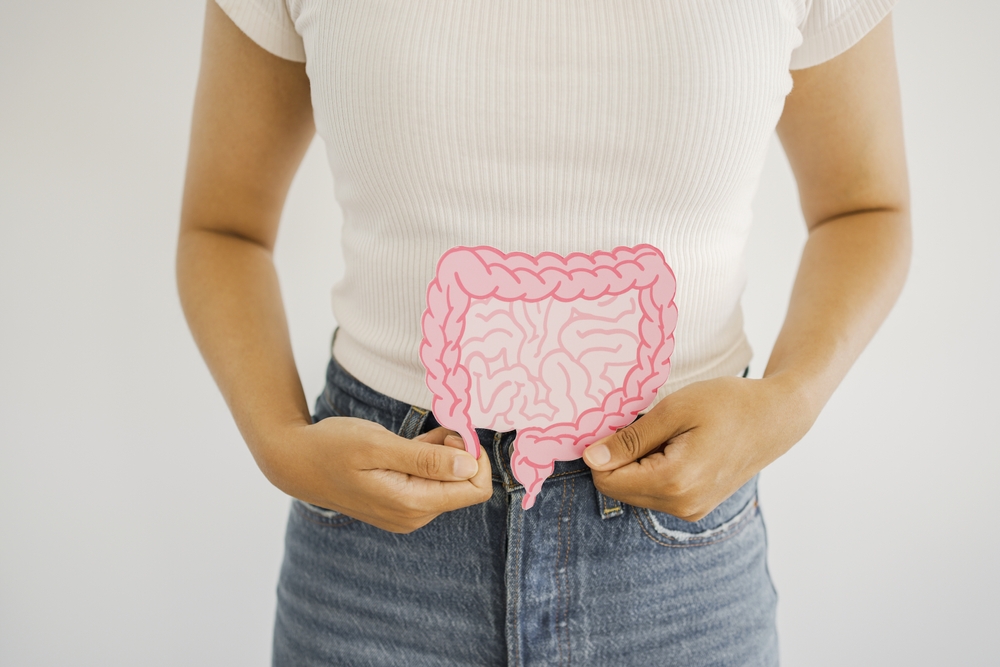
A healthy gut microbiome may help the body produce substances that allow blood vessels to relax.
Also read: How gum can affect your body if you chew it every day
Moderation is essential

Experts stress that dark chocolate should only be a small part of an overall plan to maintain healthy blood pressure.
Sources: Prevention, Frontiers in Immunology, and Journal of the American College of Nutrition.
Also read: Three dead after cruise outbreak – could hantavirus spread?
This article is made and published by Ida-Marie Palm Varbæk, who may have used AI in the preparation.