
Based on reporting from EatingWell, chewing gum is a habit many people practice without much thought. While it can offer small benefits like fresher breath and oral support, it may also come with certain drawbacks depending on how often and what type of gum you choose.
It can freshen your breath

Chewing gum is often used after meals to improve breath and leave the mouth feeling cleaner. Flavors such as mint or cinnamon create a noticeable freshness that can temporarily mask odors.
It may support dental health

Sugar free gum can help maintain oral health by stimulating saliva production. This process helps wash away food particles and supports the protection of tooth enamel.
Sugary gum can damage teeth
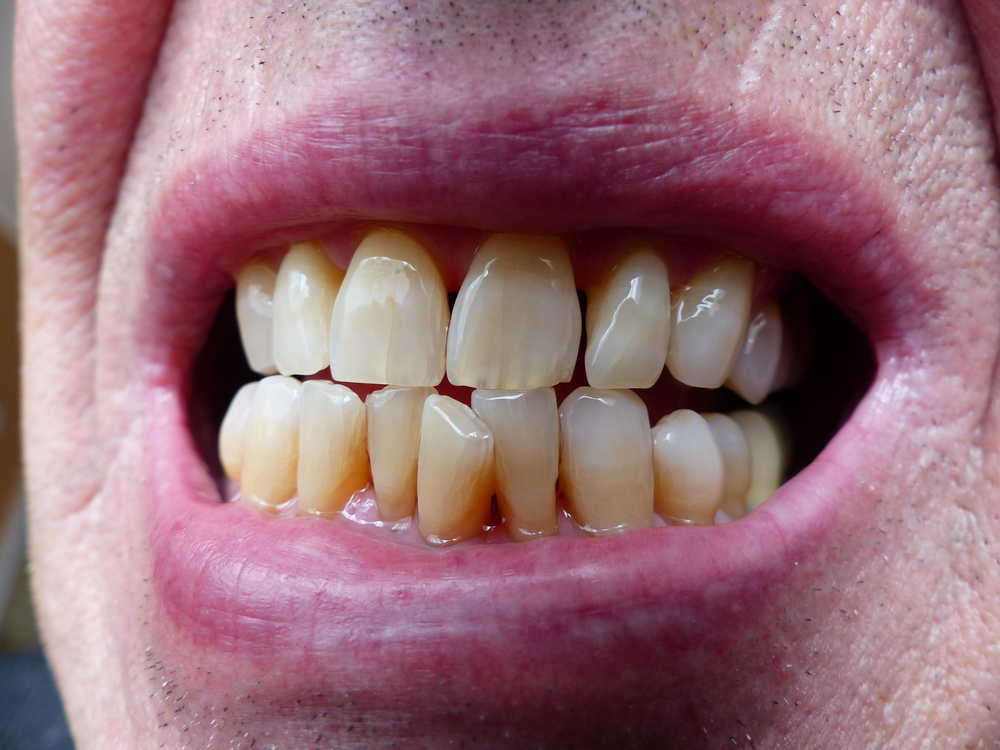
When gum contains sugar, frequent use may increase the risk of tooth decay. Even small amounts of added sugar can accumulate over the course of a day.
Also read: Three dead after cruise outbreak – could hantavirus spread?
It may help control sweet cravings

For some people, chewing gum provides a sweet taste without turning to candy or desserts. This can be useful when cravings are driven by habit rather than hunger.
It is not effective for weight loss

Despite keeping the mouth occupied, gum chewing has not been shown to result in weight loss. Studies suggest it does not significantly impact body weight over time.
It may affect your appetite

Chewing gum can influence how hungry you feel, but it should not replace meals. Using it to avoid eating may lead to an unbalanced approach to nutrition.
It could increase cravings for sweets

Regular exposure to sweet flavors may cause some individuals to crave more sugary foods, especially if the underlying craving is not satisfied.
Also read: Research finds no evidence linking common drug to autism
It may reduce stress levels

Some research points to gum chewing as a simple way to reduce stress and anxiety. It is considered an accessible and low cost option, though more studies are needed.
Artificial sweeteners may cause digestive issues
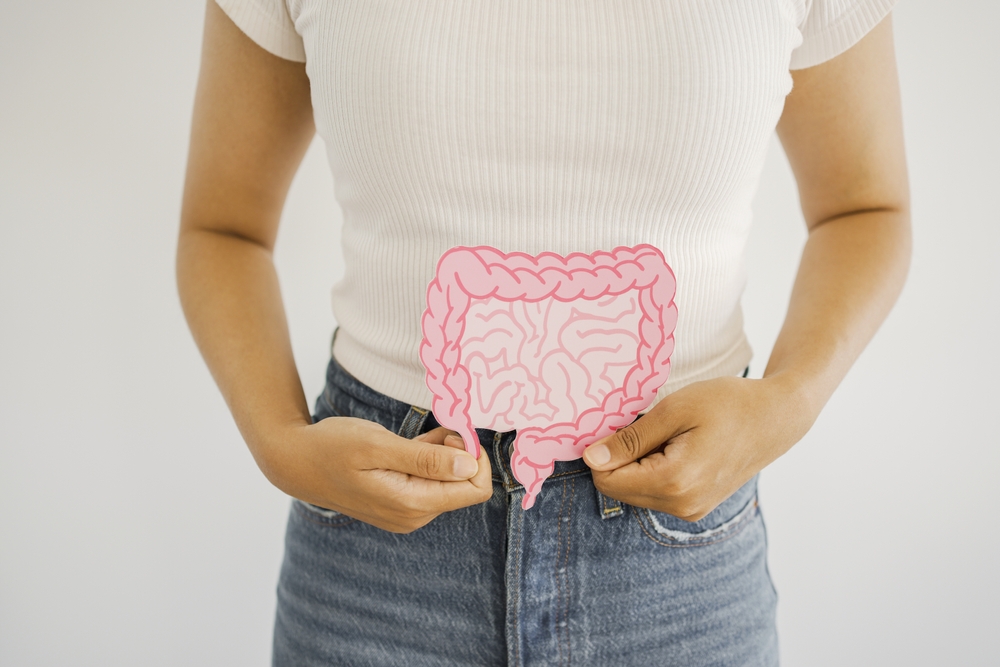
Sugar alcohols like xylitol or sorbitol, commonly found in sugar free gum, can lead to bloating, gas, or diarrhea in some people.
Chewing may lead to swallowing more air

Frequent chewing can increase air intake, which may result in bloating or belching, particularly when gum is used throughout the day.
Some ingredients raise concerns

Certain additives, including titanium dioxide and BHT, have raised questions among experts. Some consumers choose to avoid these ingredients.
Also read: This happens to your body if you eat blackberries every day
It may encourage unhealthy eating habits
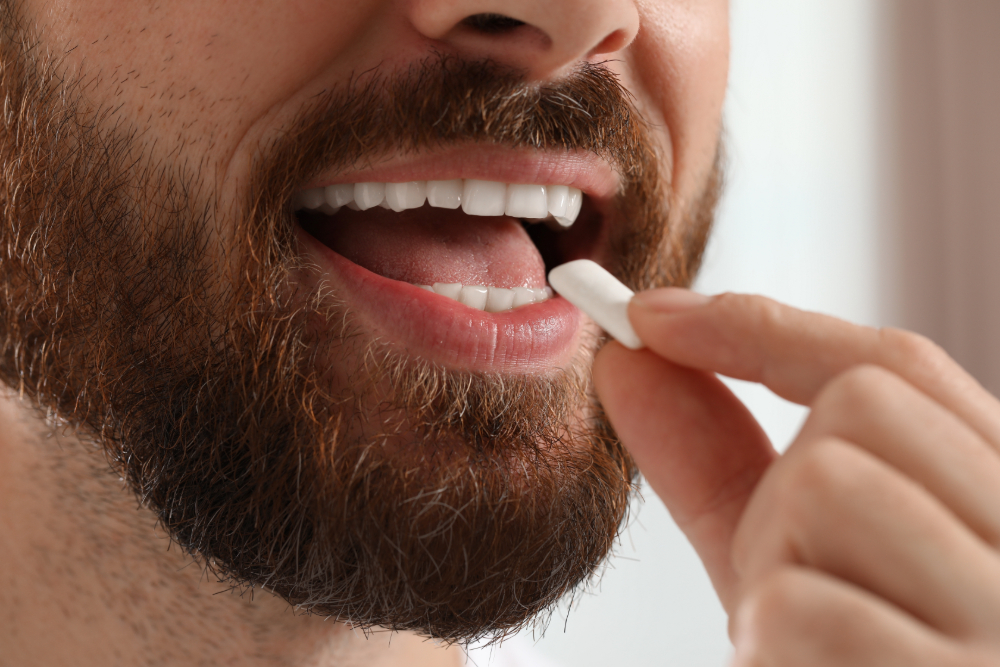
Using gum to suppress hunger instead of eating can contribute to disordered eating patterns. It is important to be aware of the intention behind the habit.
Also read: Hidden bone disease affects 40 percent of adults worldwide – are you one of them?
This article is made and published by Mie Hermansen, who may have used AI in the preparation.