
Many people forget to drink enough water throughout the day, but dehydration can affect both the body and the brain more than most people realize.
Here are some of the consequences of dehydration and why it is important to maintain a stable fluid balance, according to EatingWell.
The skin is affected

Water plays an important role in the appearance and health of the skin, according to a study published in Nutrition.
Too little fluid can make the skin drier and make fine lines and wrinkles more noticeable.
Also read: Dentist: Sugar is not the direct cause of cavities
Foods with high water content can help

You can also get fluids through your diet. Cucumbers, tomatoes, bell peppers, and watermelon are mentioned as foods with high water content.
The risk of blood clots increases
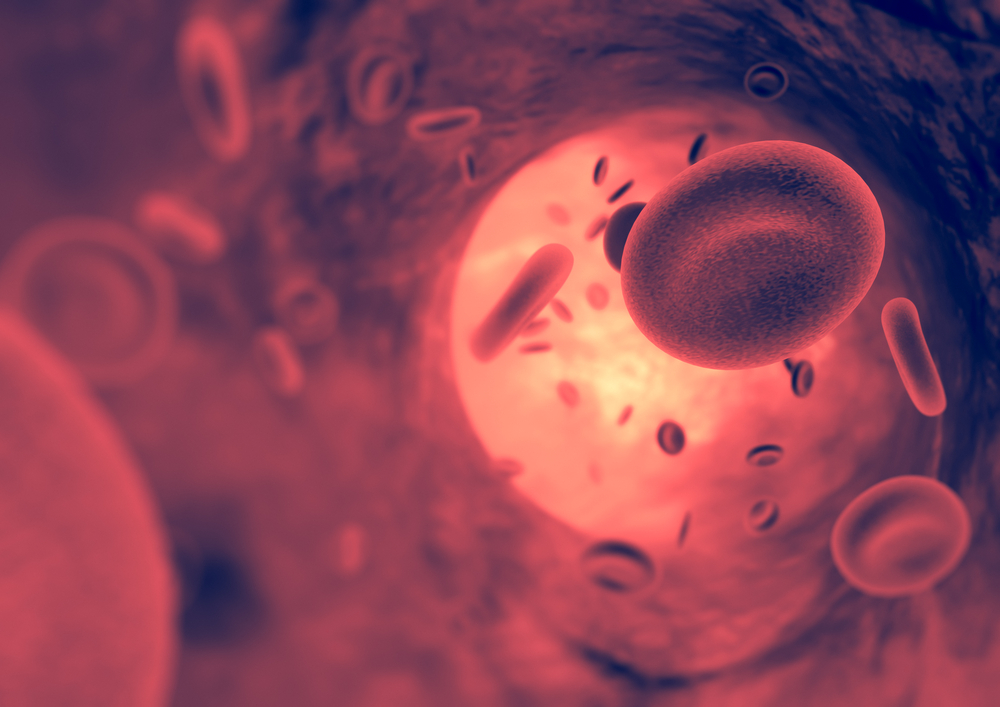
EatingWell points out that dehydration can make the blood thicker, which may increase the risk of stroke and other circulatory problems, according to a study published in The Journal of Stroke & Cerebrovascular Diseases.
Exercise becomes more difficult

During physical activity, the body loses both water and electrolytes through sweat.
A lack of fluids can therefore reduce both strength and endurance, according to a study published in Journal of Human Kinetics.
Also read: Can you still use last year’s sunscreen? Here’s what researchers say
Thirst can be mistaken for hunger

The body can send signals that resemble hunger even when it actually needs fluids. As a result, people may end up eating more than necessary.
Low energy levels

When the body lacks fluids, energy levels can drop significantly. Even mild dehydration can make you feel more tired and less focused throughout the day.
Sugary drinks and alcohol can worsen the problem

EatingWell emphasizes that certain beverages can contribute to dehydration. Alcohol and sugary drinks in particular can make it harder for the body to stay hydrated.
Headaches can occur

Dehydration is a well-known cause of headaches. When the brain lacks fluids, it can lead to both pain and fatigue, according to a study published in Current Pain and Headache Reports.
Also read: Living close to gas stations could increase cancer risk in children
Mood can worsen

A lack of fluids can lead to irritability and low mood. Many people also experience a greater tendency toward negative emotions when they do not drink enough water.
The brain slows down
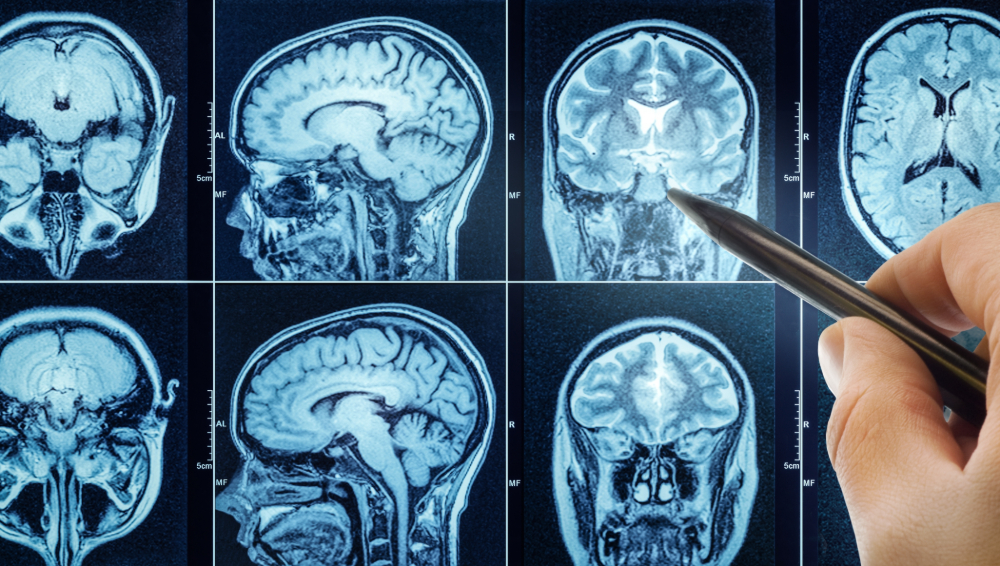
Too little water can affect memory, concentration, and the ability to think clearly, according to a study published in European Journal of Nutrition. The brain needs fluids to function optimally.
Metabolism slows down

The body uses water for almost every function. If fluid levels are low, metabolism may also slow down.
Risk of weight gain

According to EatingWell, dehydration can indirectly contribute to weight gain, partly because it may lead to overeating or choosing sugary beverages.
Also read: New research: GLP-1 drugs may reduce asthma attacks
Flavor can make it easier to drink water

If plain water seems boring, adding ingredients such as citrus fruits, mint, or berries can make it more appealing.
Sources: EatingWell, Nutrition, The Journal of Stroke & Cerebrovascular Diseases, Journal of Human Kinetics, Current Pain and Headache Reports, and European Journal of Nutrition.
Also read: How dark chocolate may affect your blood pressure if you eat it every day
This article is made and published by Ida-Marie Palm Varbæk, who may have used AI in the preparation.