
An oncologist warns about a number of subtle symptoms that many people mistakenly attribute to stress, aging, or common everyday health issues, reports Times of India.
When weight starts dropping without an explanation

Losing weight may seem like a positive development, but if it happens without any changes to diet or exercise habits, it could be a sign that the body is functioning differently than usual.
Fatigue that refuses to go away

Many people experience periods of tiredness, but persistent exhaustion that does not improve with sleep or rest may be a symptom worth investigating further.
A cough that lingers

A cough that continues for weeks can have many causes. If it persists or is accompanied by other symptoms, it should not be ignored.
Also read: Arthritis drug could become a new treatment for patients with depression
Changes in your voice

Hoarseness that continues for an extended period without an obvious cause may be worth discussing with a healthcare professional.
Skin marks that change over time

New skin changes or existing marks that begin to look different can be important signs to keep an eye on and have evaluated.
Unexpected bleeding

Blood in the urine or stool, as well as other unexplained bleeding, is among the symptoms that the expert says should prompt prompt medical attention.
When swallowing becomes difficult

Difficulty swallowing that occurs regularly and is not linked to a temporary illness or throat irritation may require further examination.
Also read: WHO lowers number of suspected Ebola cases
Persistent pain without a clear cause

Pain that continues over a long period without an obvious explanation can be the body's way of signaling that something needs attention.
Changes in digestion

If the stomach or bowels function differently than usual for several weeks, it may be a good idea to determine the underlying cause.
More frequent trips to the bathroom

A noticeable change in urinary habits that continues over time is one of the signs that should not be overlooked.
Swelling or lumps
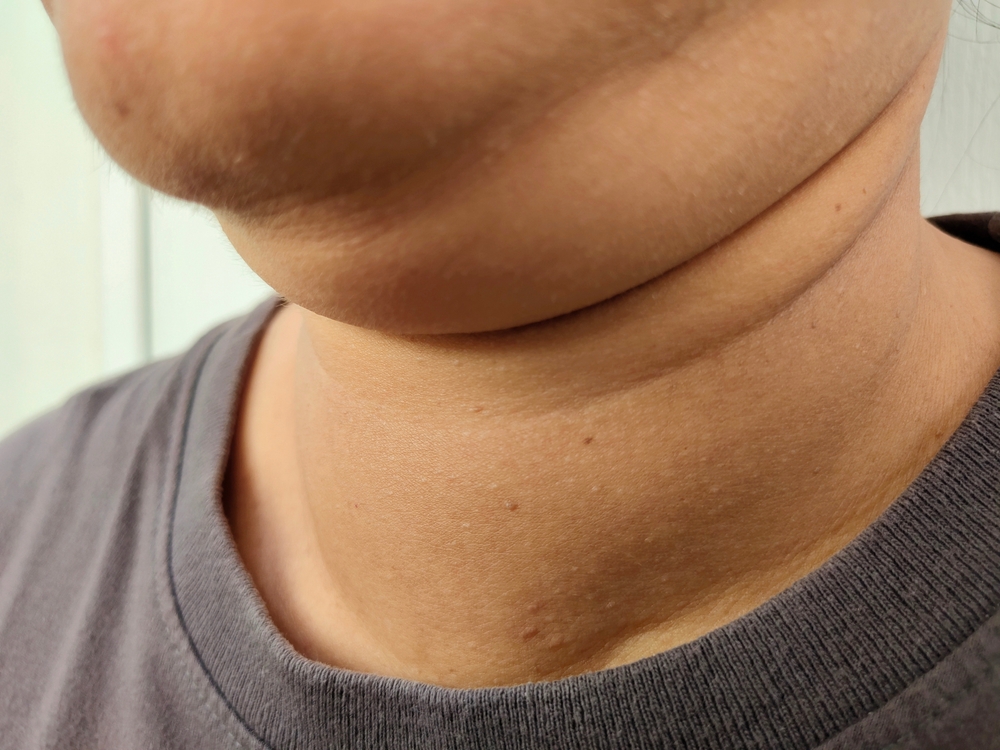
New lumps or swelling on the body can be easy to put off having checked, especially if they are painless, but they should still be assessed by a doctor.
Also read: Overlooked organ linked to longer life and lower disease risk
Bloating that doesn't go away

Ongoing bloating or digestive discomfort that persists may be a sign that the body is trying to draw attention to an underlying issue.
Many of these symptoms are often caused by less serious conditions. According to Dr. Amit Verma, the key factor is not necessarily the symptom itself, but whether it persists or changes over time.
Also read: Forget the protein bar: These snacks provide both protein and fibre
Also read: This much exercise can reduce the risk of inherited heart disease
This article is made and published by Mie Hermansen, who may have used AI in the preparation.