
If you're looking to improve your cholesterol levels, small dietary changes can make a difference. Experts say that replacing sugary snacks with blueberries may help support both cholesterol management and overall heart health, reports Parade.
Added sugar can affect cholesterol

Foods high in added sugar can raise LDL cholesterol and triglycerides while lowering levels of HDL, often referred to as “good” cholesterol.
Excess sugar is stored as fat in the liver
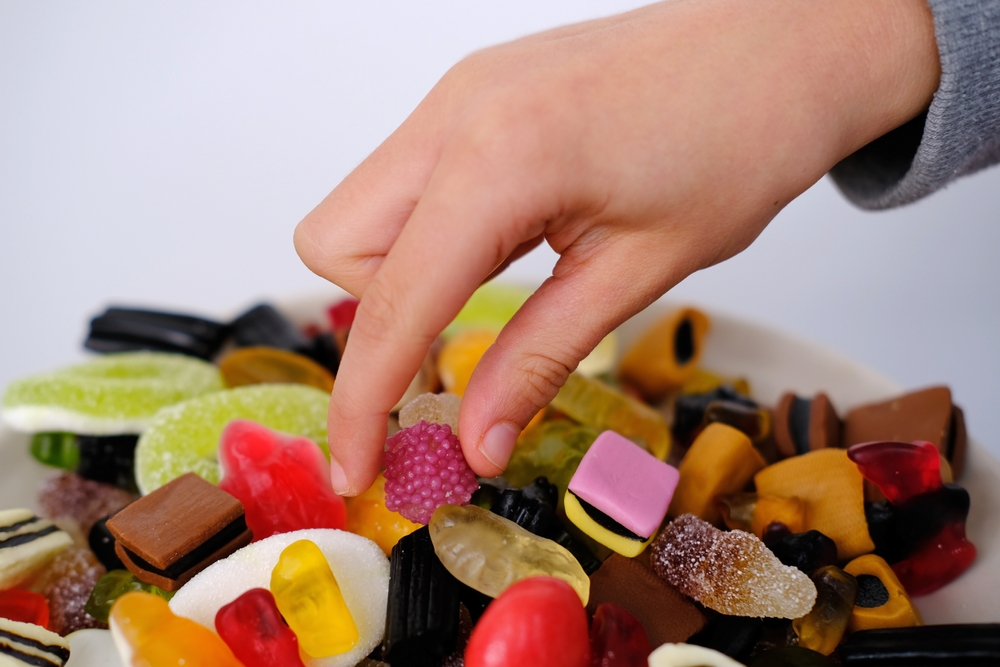
A high intake of sugar can lead to increased fat storage in the liver, where it is converted into triglycerides and released into the bloodstream.
High triglycerides may harm blood vessels

Elevated triglyceride levels can contribute to the hardening of arteries, increasing the risk of heart attack and stroke.
Also read: People who talk to themselves may have an unexpected advantage
Sugary foods can increase inflammation

Experts say that foods rich in sugar may promote inflammation in the body, which can negatively affect cardiovascular health.
Fruit sugar differs from added sugar
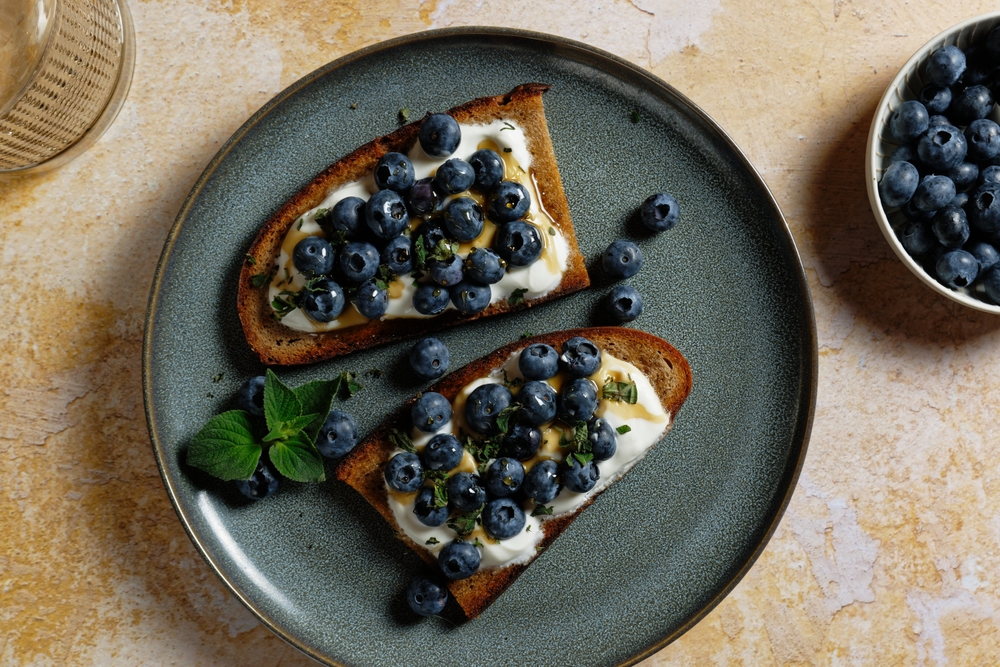
Although fruit contains sugar, natural sugars are different from the added sugars commonly found in ultra processed foods.
Blueberries are a healthier sweet option
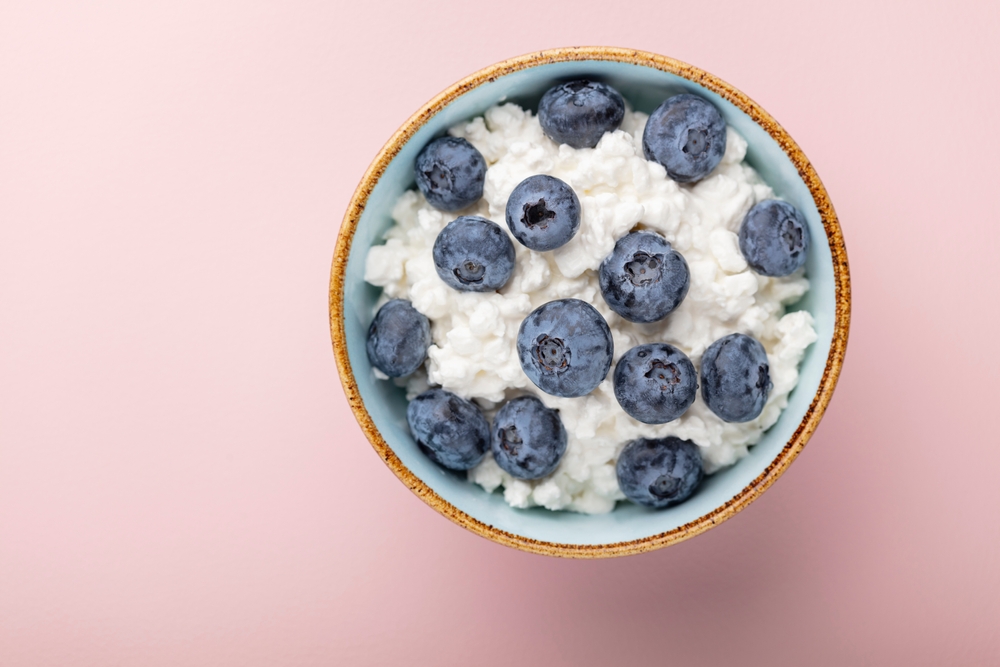
According to the experts, blueberries can be a satisfying alternative to pastries, candy, and other sugary snacks.
Research links blueberries to healthier cholesterol levels

Scientific studies have found an association between blueberry consumption and lower LDL cholesterol as well as higher HDL cholesterol.
Also read: This writing exercise may reveal signs of cognitive decline
Fiber helps slow sugar absorption
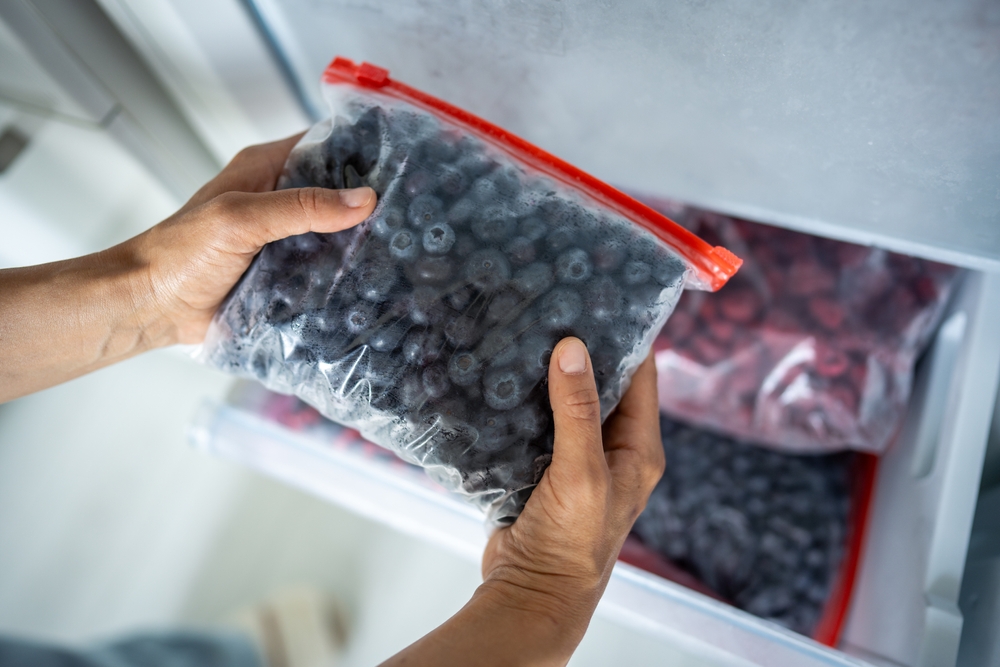
Blueberries contain fiber, which can slow the absorption of sugar and help prevent sharp spikes in blood sugar levels.
Blueberries contain less sugar than many fruits
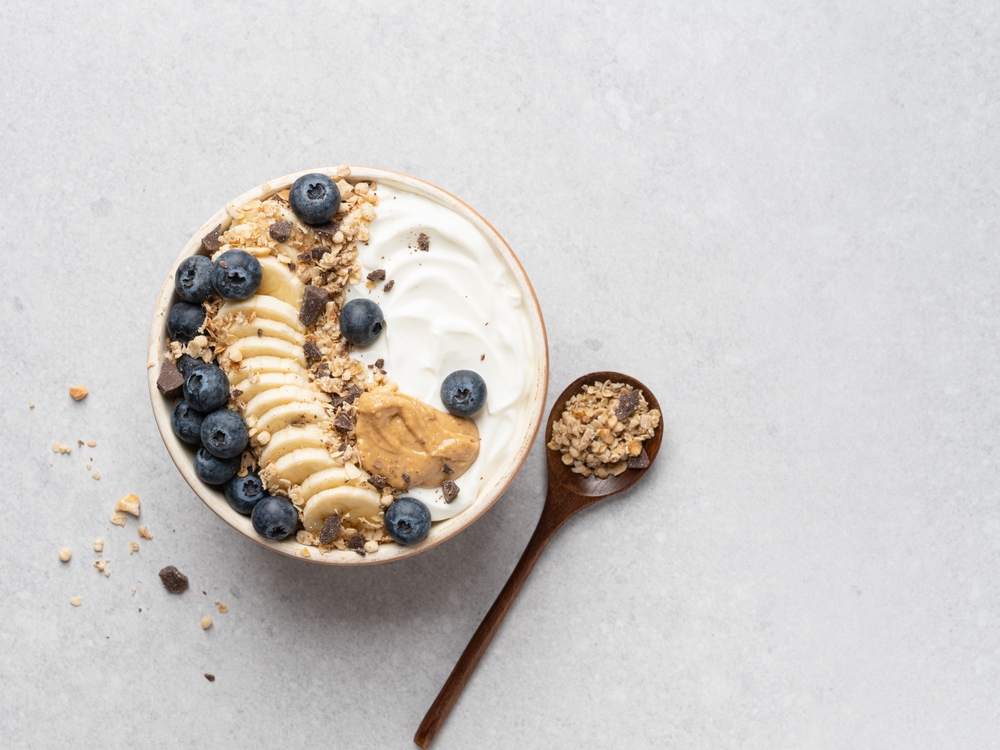
The dietitian notes that blueberries have a relatively low sugar content compared with several other fruits.
Soluble fiber supports heart health
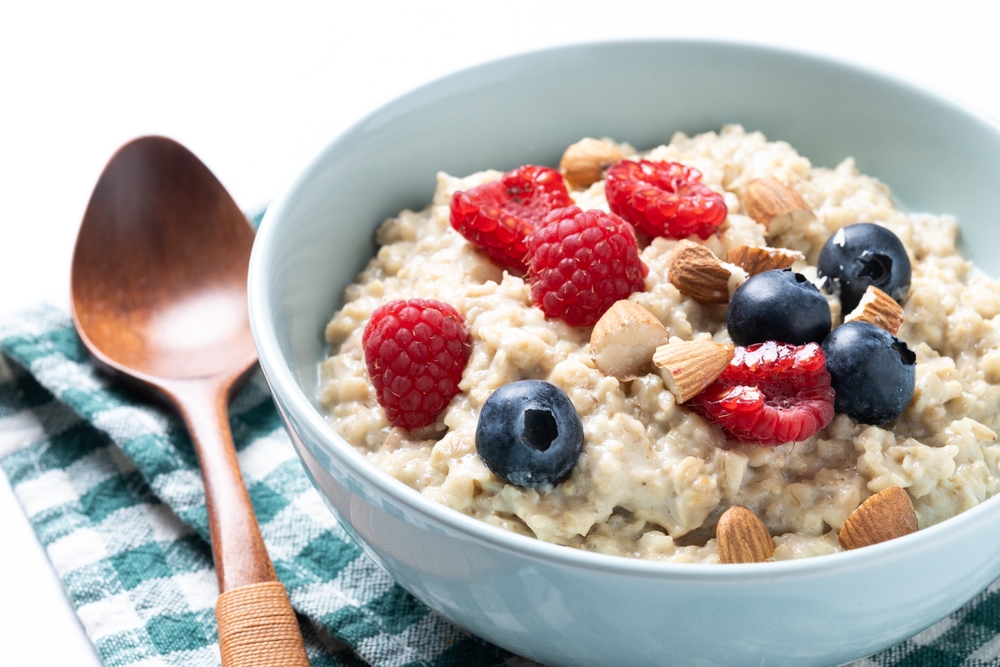
The soluble fiber found in blueberries plays a role in cholesterol management while also supporting cardiovascular health.
Anthocyanin gives blueberries their color
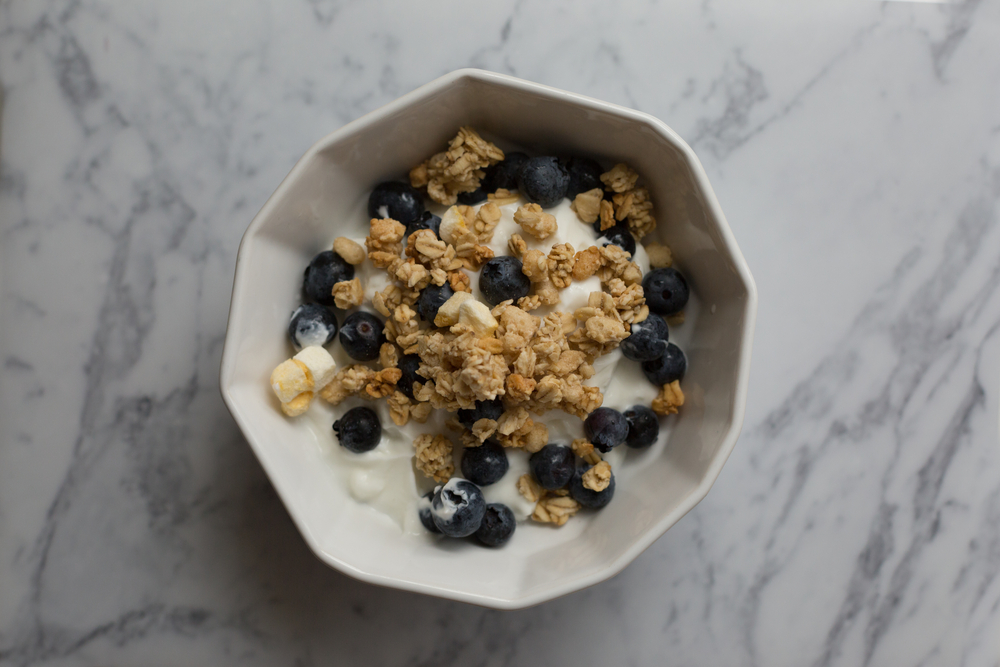
Anthocyanin is the compound responsible for the blue and purple shades seen in blueberries and many other fruits and vegetables.
Also read: Brenda was told her cancer could not be treated – now her tumor has shrunk by 80 percent
One cup a day is recommended
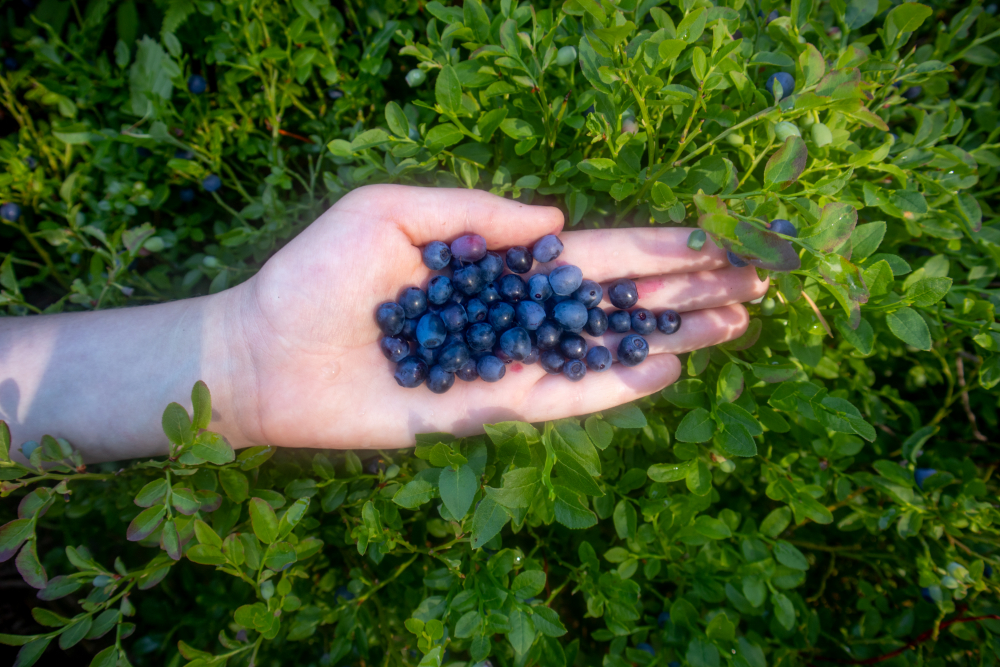
The dietitian recommends eating about one cup of blueberries daily, whether on their own or added to smoothies, yogurt, or oatmeal.
Also read: How green tea affects your body if you drink it every day
This article is made and published by Mie Hermansen, who may have used AI in the preparation.