
Green tea is one of the world's most popular tea beverages and is consumed daily by millions of people.
According to several nutrition experts interviewed by Real Simple, drinking green tea every day may provide a range of health benefits that support both physical and cognitive health.
Few calories

Green tea contains very few calories but is not a significant source of vitamins or minerals.
Plant compounds

Many of green tea's health benefits are linked to plant compounds known as polyphenols, which occur naturally in the leaves.
Also read: Many people mistake this pain for a common back problem
Caffeine

Green tea contains caffeine, which may help increase energy levels and alertness throughout the day.
L-theanine

Green tea also contains L-theanine, an amino acid that, together with caffeine, has been associated with improved focus and mental sharpness.
Catechins

Green tea contains antioxidants called catechins, including EGCG, one of the most extensively studied compounds found in tea.
Cardiovascular health

Research suggests that green tea may have a positive impact on circulation and overall cardiovascular health.
Also read: Heeled flip flops are more popular than ever – but experts warn of potential risks
Healthy blood pressure regulation

A study published in the Journal of Pharmacy and Bioallied Sciences found that green tea may help lower blood pressure.
May support gut health
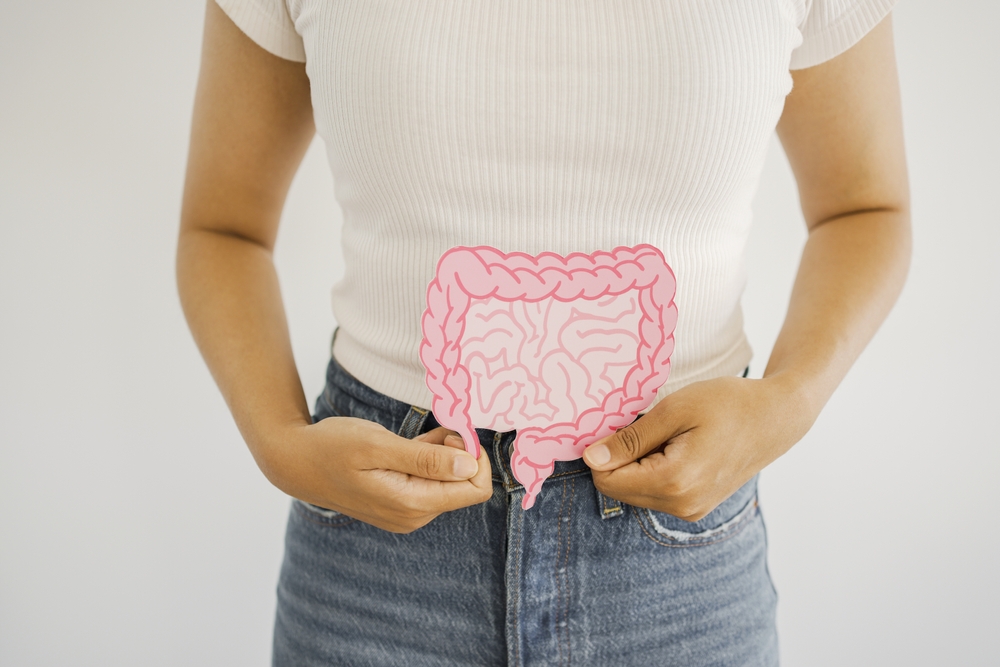
According to a study published in Molecules, the polyphenols in green tea may help support both the gut microbiome and the intestinal barrier.
More stable energy

Nutrition experts report that many people experience a steady and mild boost in energy when consuming green tea regularly.
Brain health

Daily consumption has been associated with positive effects on brain function and overall cognitive health.
Also read: The most aggressive cancers and how to protect yourself from them
Beneficial for the liver

Experts also highlight that green tea may help support liver health.
Lower risk of stroke

A study published in Nutrition found an association between moderate green tea consumption and a reduced risk of stroke.
One to two cups

Even drinking one to two cups per day may help increase antioxidant intake.
Three to four cups

According to experts, consuming three to four cups per day may be the level at which the benefits become most noticeable.
Also read: New findings improve understanding of how cancer develops
May affect iron absorption

Tannins in green tea can reduce the body's ability to absorb iron, particularly in people with low iron stores.
Timing may matter

People with low iron levels are advised to drink green tea at least one hour before or after meals.
Too much caffeine may cause side effects

A high intake of green tea may lead to restlessness, sleep disturbances, headaches, or digestive discomfort in some individuals.
Decaffeinated green tea may be an option

For people who are sensitive to caffeine, decaffeinated green tea can be a suitable alternative.
Also read: The right amount of sleep can reduce the risk of dementia
Unsweetened green tea is recommended

Experts recommend choosing unsweetened varieties rather than products containing added sugar.
Lemon may improve antioxidant absorption

Adding lemon juice may help the body absorb some of the antioxidants found in green tea more effectively.
Brewing temperature matters

Using boiling water may reduce the concentration of catechins in green tea.
Hot water is recommended over boiling water

Green tea should ideally be brewed using water at approximately 71°C to 82°C (160 to 180 degrees F) to help preserve its beneficial compounds.
Sources: Real Simple, Journal of Pharmacy and Bioallied Sciences, Molecules, and Nutrition.
This article is made and published by Ida-Marie Palm Varbæk, who may have used AI in the preparation.