
Peanut butter contains a combination of protein, fat and fiber, all of which can affect blood sugar levels.
Dietitians explain to Parade what happens in the body and how to choose the right type.
Smaller increase

According to dietitians Maggie Michalczyk and Tara Spisak, peanut butter does not usually cause a sharp rise in blood sugar.
This is partly due to its relatively low carbohydrate content.
Also read: How many pull-ups should you be able to do? Standards sorted by age and sex
Protein slows absorption

The protein in peanut butter causes the body to absorb carbohydrates more slowly.
This can result in a more gradual release of glucose into the bloodstream.
Carbohydrates affect blood sugar the most
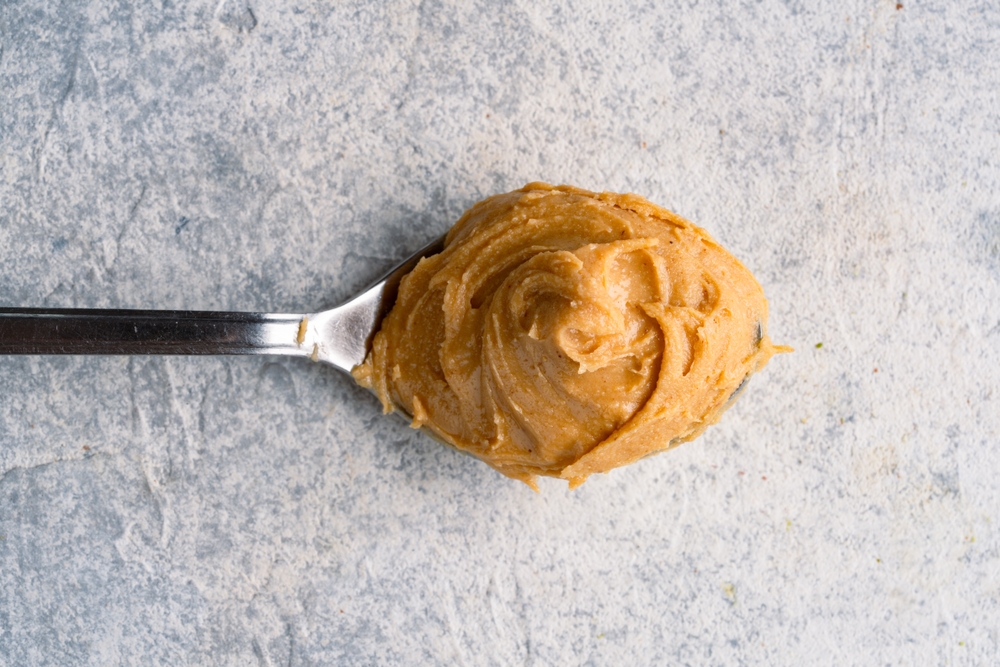
Carbohydrates are the macronutrient that has the greatest impact on blood sugar levels after a meal.
Because peanut butter contains relatively few carbohydrates, its effect is typically smaller.
Also read: How eating mango every day can affect your gut, blood sugar and immunity
Sugar-free peanut butter has a low glycemic index
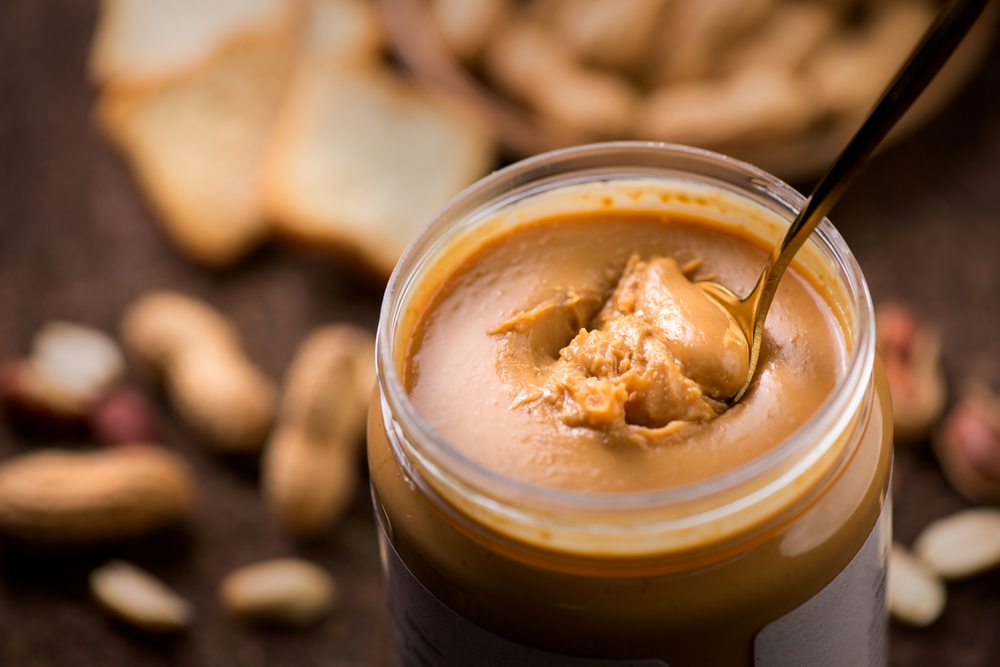
Sugar-free peanut butter has a glycemic index of 25. This places it among foods with a low glycemic index.
Slows digestion

The fat in peanut butter can slow the rate at which food leaves the stomach and moves into the small intestine.
This contributes to a smaller and more gradual rise in blood sugar.
Fiber contributes to stability

Fiber also helps slow digestion and the absorption of carbohydrates.
Also read: These health conditions can cause night sweats
Together with fat and protein, it can help keep blood sugar levels more stable.
Peanut butter can help you feel full

The fat and fiber in peanut butter make it filling. As part of a snack, it can therefore help you feel full for longer.
It can be combined with carbohydrates

Dietitians generally recommend combining carbohydrate-rich foods with protein, fiber and fat.
Peanut butter naturally contains all three.
Also read: What you eat every day may be shaping your depression risk through your gut
A slice of bread can affect blood sugar differently

People with diabetes can, for example, eat peanut butter with a slice of bread.
The combination may cause a smaller rise in blood sugar than eating bread alone.
Suitable for a diabetes-friendly diet

Because peanut butter does not usually cause a sharp rise in blood sugar, both dietitians say it can be included in the diet of people with diabetes.
Portion size is important

Peanut butter is high in fat and calories. People with diabetes should therefore pay attention to how much they eat.
Also read: Adding omega-3s to a weight-loss plan may lower breast cancer risk in high-risk women
Two tablespoons is a typical serving
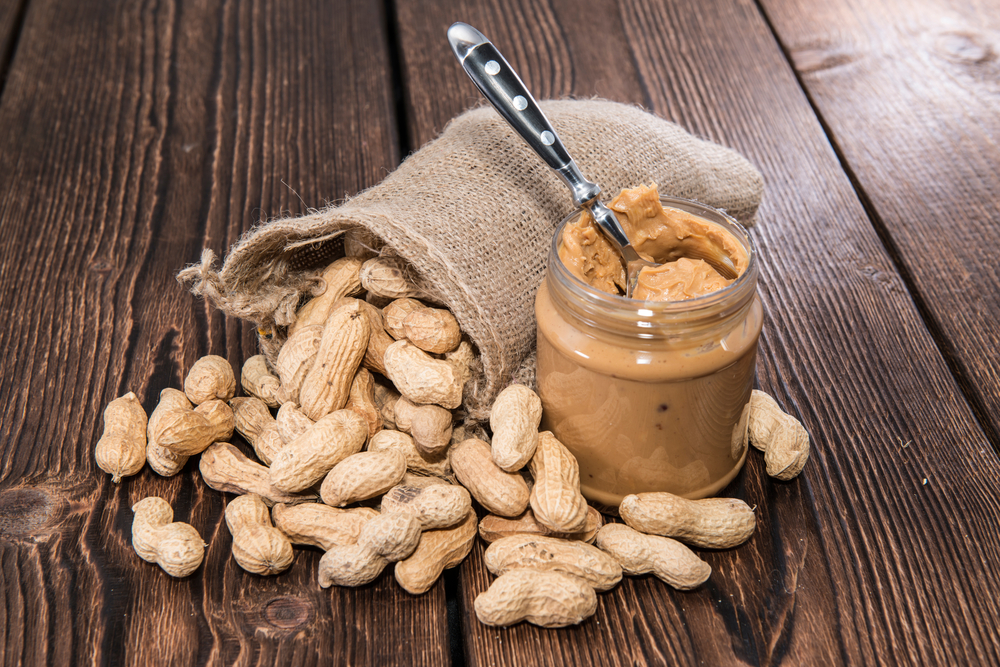
A typical serving of peanut butter is two tablespoons. This amount contains nearly 200 calories.
Check the ingredient list

To make peanut butter as suitable as possible for supporting blood sugar management, Michalczyk recommends choosing a product in which peanuts are the main ingredient and there are only a few other ingredients.
Added sugar can make a difference

Peanut butter with added sugar or honey will cause a greater rise in blood sugar than a variety without these ingredients.
However, products with added sugar typically contain only around three grams of sugar per serving.
Reduced-fat varieties are not recommended

Spisak does not recommend reduced-fat peanut butter.
The fat contributes to satiety and also helps balance the carbohydrates in the product.
This article is made and published by Ida-Marie Palm Varbæk, who may have used AI in the preparation.