
Tea and coffee are two of the world’s favorite drinks, but their caffeine levels often surprise people. Here’s what you need to know about how much caffeine really hides in your cup.
Coffee leads with the highest caffeine

A standard cup of coffee contains around 130 milligrams of caffeine, making it the stronger choice.
Black tea holds about half as much
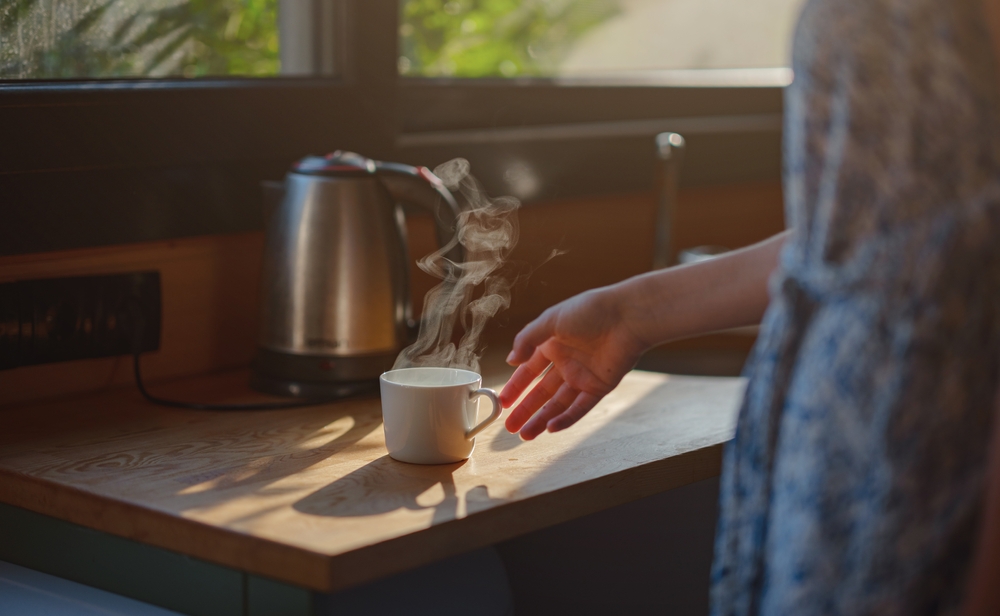
A typical cup of black tea comes in at about 50–60 milligrams of caffeine, equal to roughly half a cup of coffee.
Green and white teas are gentler

These varieties generally contain less caffeine, providing a lighter and calmer energy boost.
Also read: These Adult Behaviors Might Trace Back to Your Father’s Absence
Brewing time matters

The longer you steep your tea, the more caffeine it releases into your cup.
Daily safe limit

For healthy adults, experts recommend staying under 400 milligrams of caffeine per day. That equals about 3–4 cups of coffee or 7–8 cups of black tea.
Signs of too much caffeine

Excess intake can cause jitters, insomnia, a racing heart, or dizziness.
Tea’s secret weapon: L-theanine

Tea contains the amino acid L-theanine, which balances out caffeine’s effects and creates a smoother lift.
Also read: 6 fruits that could help lower your cancer risk, according to experts
Herbal teas are naturally caffeine-free

Fruit teas, rooibos, and herbal blends offer a cozy option without caffeine’s stimulating punch.
Why the difference feels bigger

Even when the caffeine amount overlaps, tea feels less harsh because of its unique compounds.
Making conscious choices

Knowing the caffeine content in your daily drinks helps you stay energized without going over the limit.
This article is based on information from Kiskegyed
Also read: The most anti-inflammatory spices ranked
Also read: Harvard researcher reveals: Three simple daily habits can protect your brain from Alzheimer’s
This article is made and published by Mie Hermansen, who may have used AI in the preparation.