
We all try to maintain good hygiene, but some habits we believe are healthy might actually be doing more harm than good.
From brushing too hard to misusing tampons, here are 10 hygiene mistakes you should avoid.
Brushing your teeth too aggressively
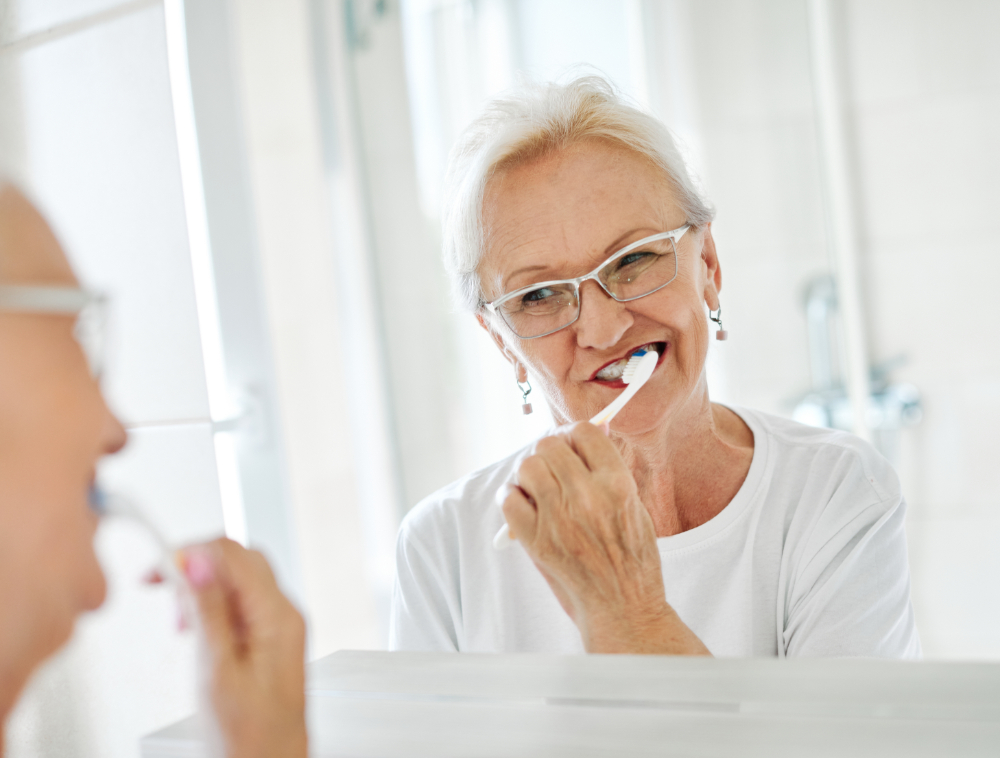
Brushing too hard or too often can wear down enamel, leading to sensitive teeth and gum damage. A soft or medium toothbrush is best, and always rinse with water before brushing after a meal.
Using tampons incorrectly
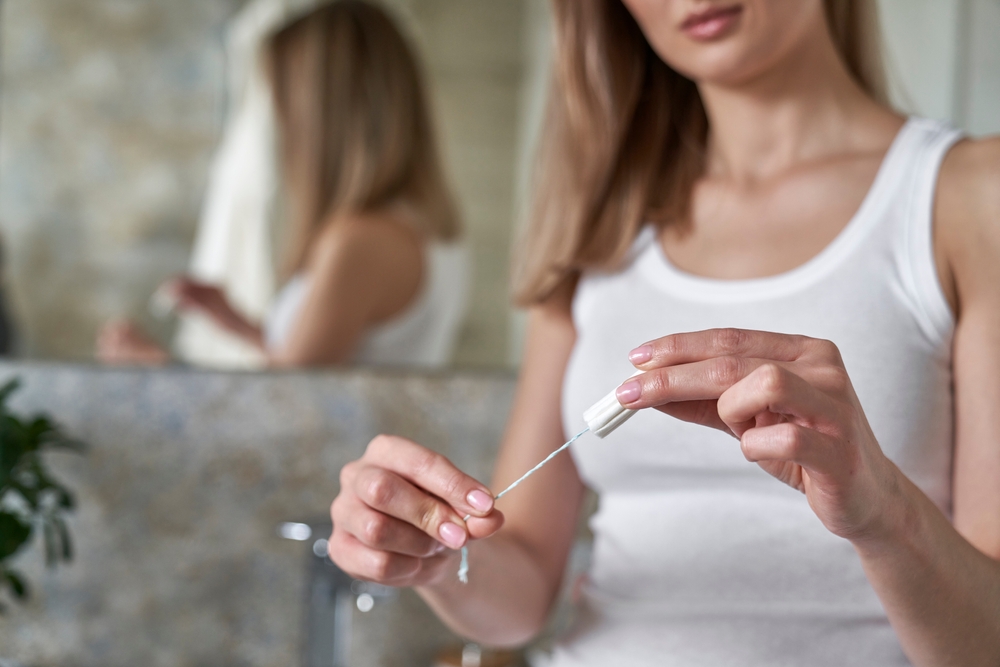
Tampons should only be used when your period is actively flowing. Using them on light days can lead to dryness and bacterial buildup, increasing the risk of infections.
Keeping underwear for too long
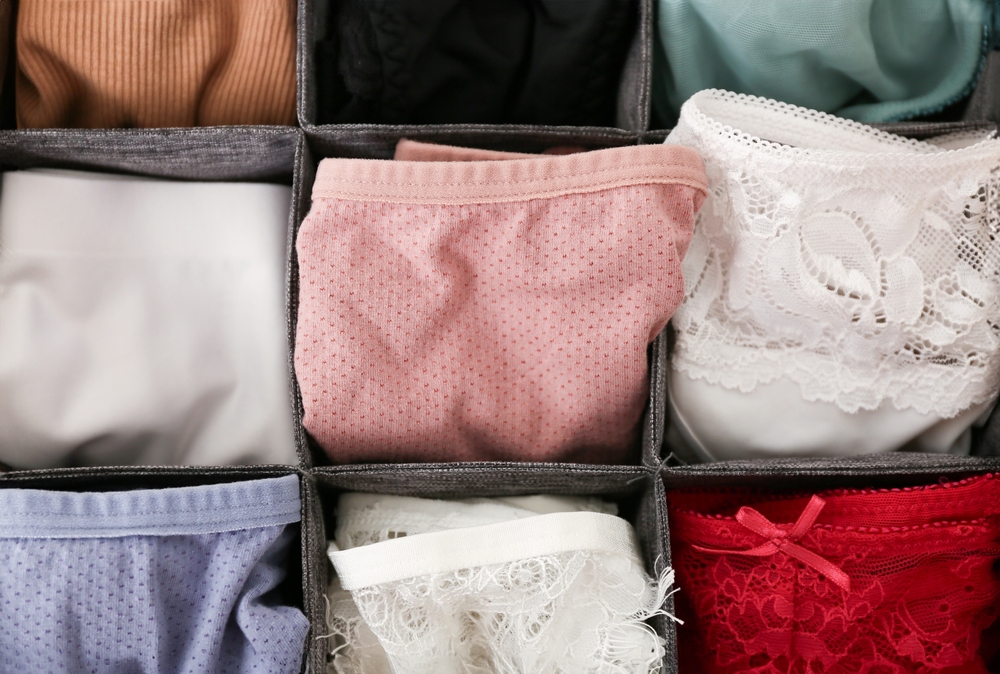
Even if your underwear looks fine, it should be replaced every one to two years. Fabric that has been repeatedly washed and worn loses its ability to properly protect sensitive areas.
Going without underwear during the day
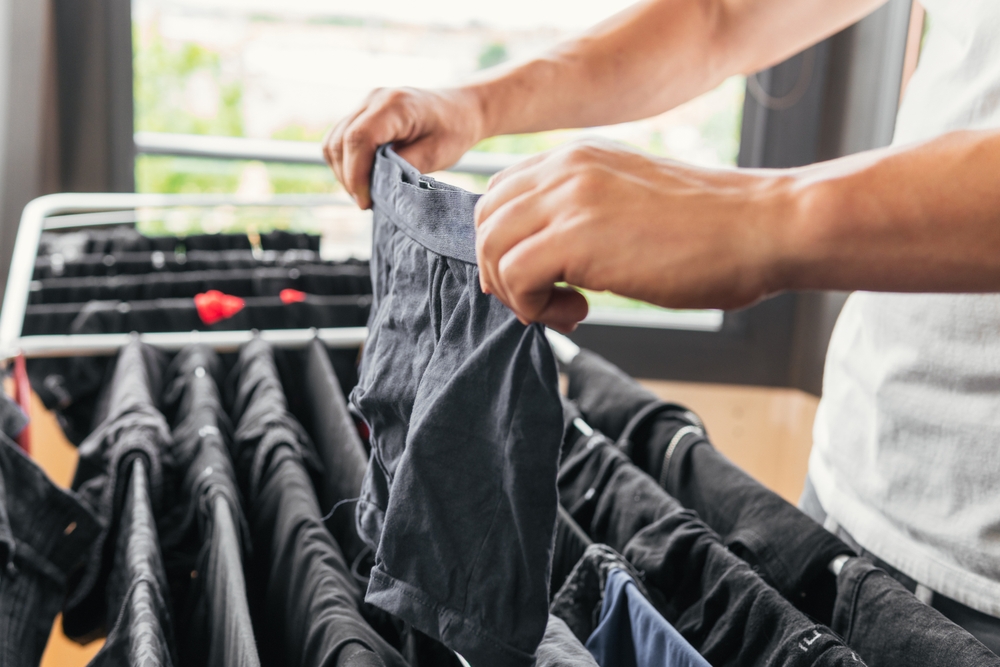
While sleeping without underwear allows for better airflow, skipping them during the day exposes your intimate areas to bacteria from clothing and surfaces.
Storing makeup brushes incorrectly
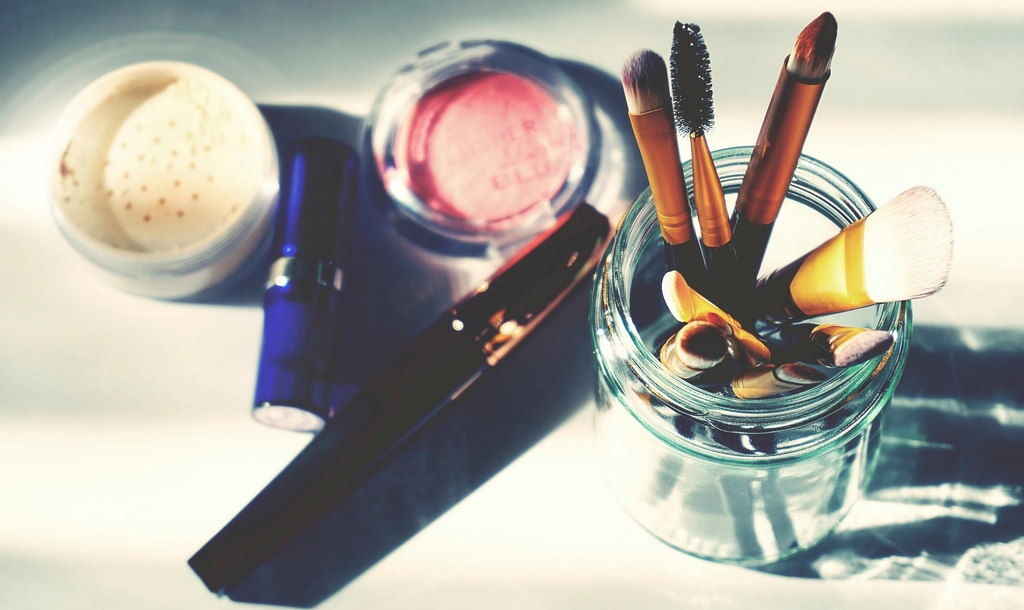
Placing makeup brushes in a bag with other cosmetics can lead to bacterial contamination. Keep them in a separate pouch and wash them regularly to prevent breakouts.
Reusing bath towels too often

Towels absorb moisture and bacteria with every use. If left damp, they can harbor mold and bacteria. Wash them at least twice a week to maintain hygiene.
Washing your face too frequently
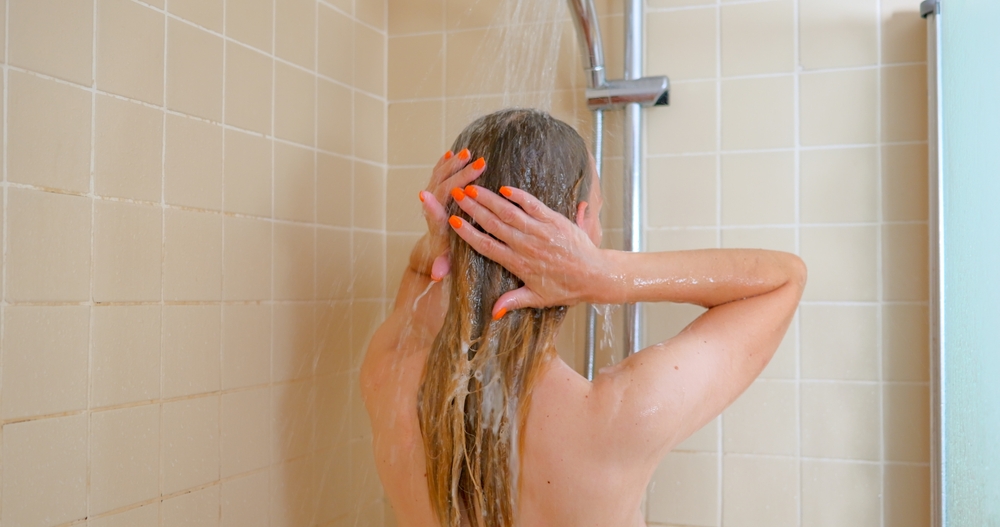
Overwashing can strip the skin of its natural oils, leading to irritation and excessive dryness. Stick to washing twice a day—morning and night—for a balanced routine.
Using too much hand sanitizer
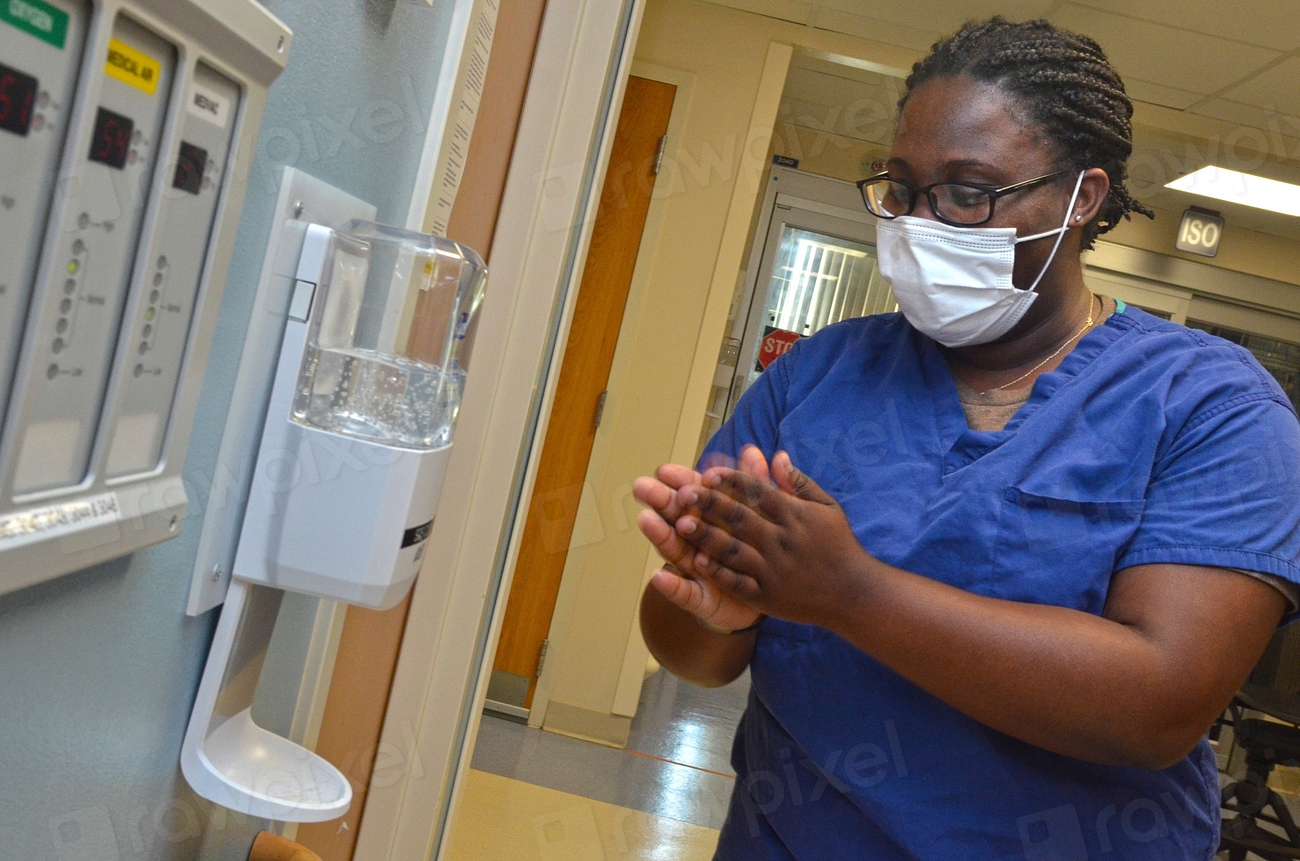
While hand sanitizer is useful, excessive use can disrupt your skin’s natural barrier, making your hands more susceptible to bacteria over time. Soap and water remain the best option.
Not replacing loofahs and sponges

These items trap bacteria and mold due to their constant exposure to moisture. Replace loofahs every three to four weeks and wash sponges regularly to prevent bacterial buildup.
Forgetting to clean your phone

Your phone collects bacteria from every surface it touches. Wiping it down daily with antibacterial wipes can reduce the risk of transferring germs to your face and hands.
Article based on information from Woman
This article is made and published by Mie Hermansen, who may have used AI in the preparation.