
A major new study has raised concerns about the connection between artificial sweeteners and cognitive health.
More than 12,000 adults were followed over an eight-year period, and the findings suggest that high consumption of certain sweeteners may accelerate memory and thinking decline.
62 percent faster memory and thinking decline

Participants who consumed the most artificial sweeteners experienced a 62 percent faster decline in memory and thinking skills compared to those with the lowest intake.
Equivalent to 1.6 extra years of brain aging

Researchers explained that this accelerated decline was similar to the brain aging as if 1.6 additional years had passed, despite no change in chronological age.
Also read: New Study: Your Favorite Drinks May Be Causing Hair Loss
Younger adults under 60 most affected

Surprisingly, the strongest effects were found in participants younger than 60, suggesting that midlife exposure to sweeteners could be particularly harmful.
Higher risk for people with diabetes

Among participants with diabetes, the link between sweetener intake and cognitive decline was even stronger, pointing to increased vulnerability in this group.
Aspartame among the studied sweeteners

Aspartame, one of the most widely used sweeteners in sugar-free foods and drinks, was identified as one of the compounds linked to a faster decline in cognitive skills.
Saccharin has been used for more than 100 years

Saccharin, the very first artificial sweetener introduced to consumers in the early 1900s, was also included in the study and showed similar concerns.
Also read: This Is The Only Safe Way to Get Rid of Tartar
Acesulfame-K under scrutiny

Acesulfame-K, commonly combined with other sweeteners in sugar-free products, was also investigated and associated with reduced cognitive performance.
Sugar alcohols erythritol and xylitol examined

The study included the sugar alcohols erythritol and xylitol, both often marketed as lower-calorie alternatives with dental health benefits.
Sorbitol linked to decline

Sorbitol, another sugar alcohol frequently found in “sugar-free” items, was also connected to faster cognitive decline in heavy consumers.
Tagatose stands out

Interestingly, tagatose was the only one of the seven sweeteners that was not associated with cognitive decline, making it a key focus for future research.
Also read: Do This Every Morning for a Week to Boost Your Immune System
More research needed to explain why

Experts caution that the study shows a correlation, not causation, and stress the need to understand the biological mechanisms behind these findings.
Calls to limit sweetener intake
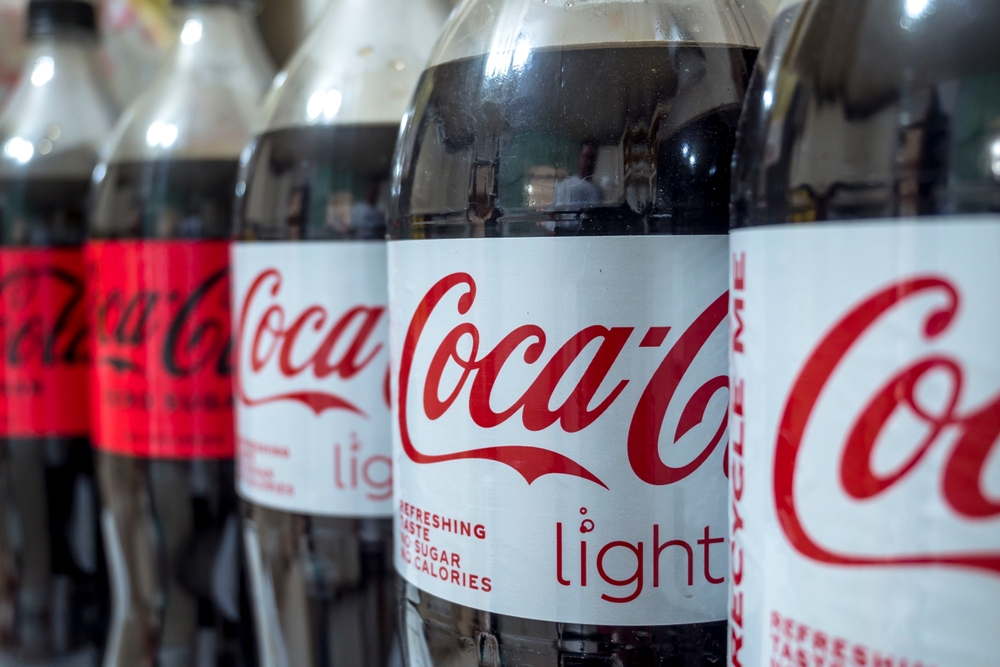
While further studies are needed, many health professionals advise limiting artificial sweeteners as much as possible to protect long-term brain health.
This article is based on information from Medical News Today.
Also read: How to Boost Your Memory Naturally With 3 Simple Habits
Also read: These Snacks Could Be Destroying Your and Your Child’s Teeth
This article is made and published by Ida-Marie Palm Varbæk, who may have used AI in the preparation.