
Green plants might seem like harmless decor – but according to folklore and alternative beliefs, some species could be doing more harm than good.
Here are the plants you may want to remove to protect your energy, health, and home harmony.
Ficus – The widow’s flower and a symbol of grief

While ficus is a common houseplant in many homes, it’s traditionally associated with sorrow and illness.
In some cultures, it’s known as the "widow’s flower" and is believed to attract heavy, negative energy into a living space.
Also read: New Study Uncovers a Hidden Root of Narcissism—And It May Start in Childhood
Ivy – The hidden energy vampire
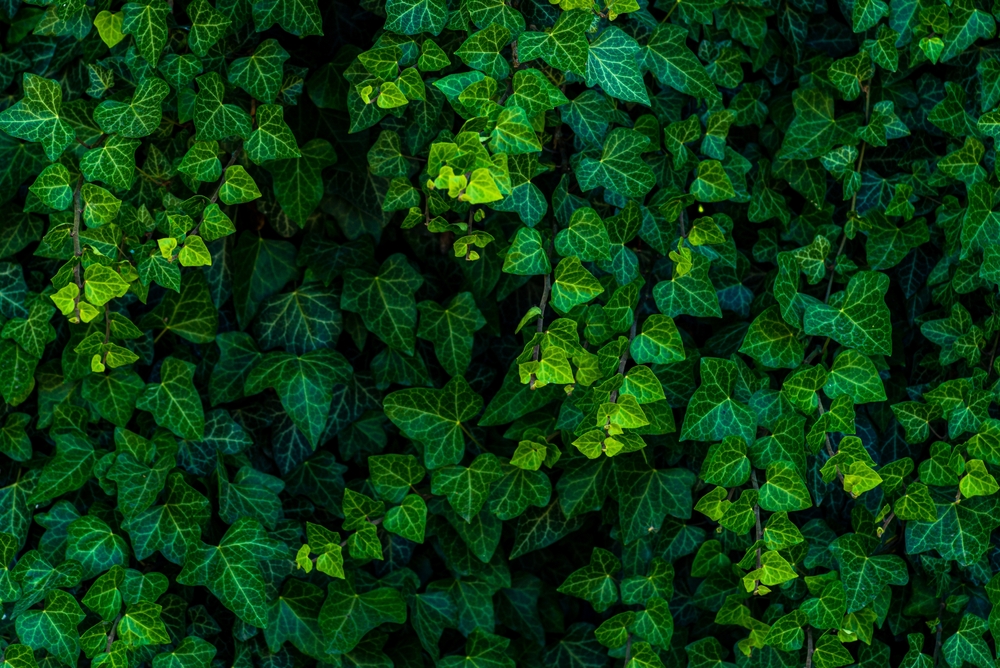
Ivy, also known as English ivy, is a visually appealing climbing plant.
But according to certain esoteric views, it drains the vitality of household members and may even create unrest in romantic relationships.
Sansevieria – The conflict-stirrer in your living room
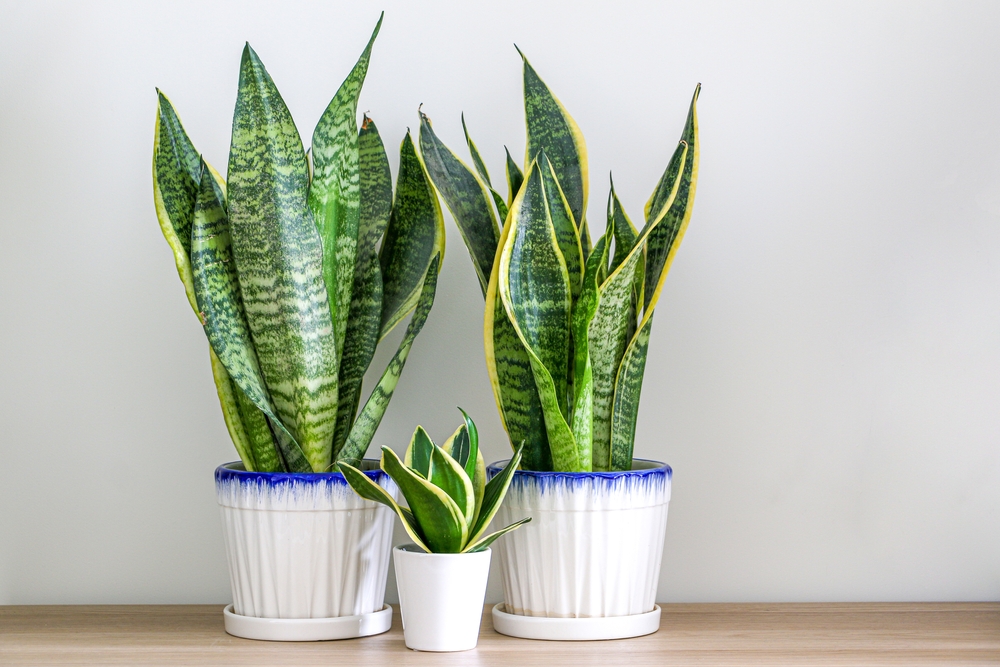
Sansevieria, also called "mother-in-law’s tongue", is known for its resilience, but also for its sharp, sword-like appearance.
In energetic traditions, it’s thought to stir up tension and emotional coldness among family members.
Also read: 101 Countries Studied — and They All Point to These Longevity Secrets
Calla – Beautiful, yet linked to death
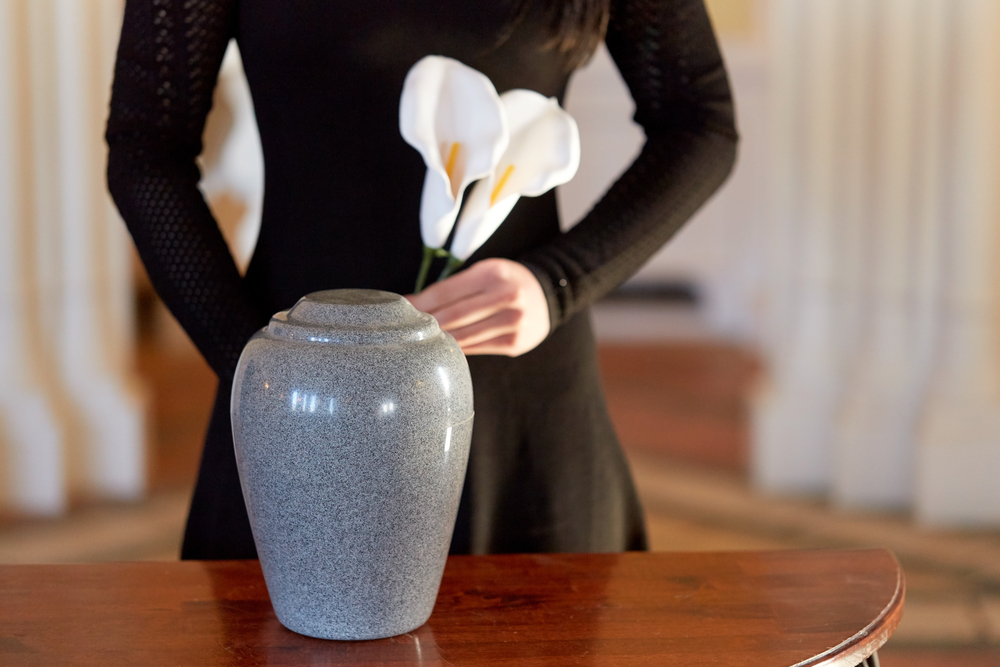
The calla lily is elegant and stylish, often used in minimalist or modern home designs.
However, it’s commonly associated with death and mourning across various cultures, as it frequently appears at funerals – bringing an air of melancholy.
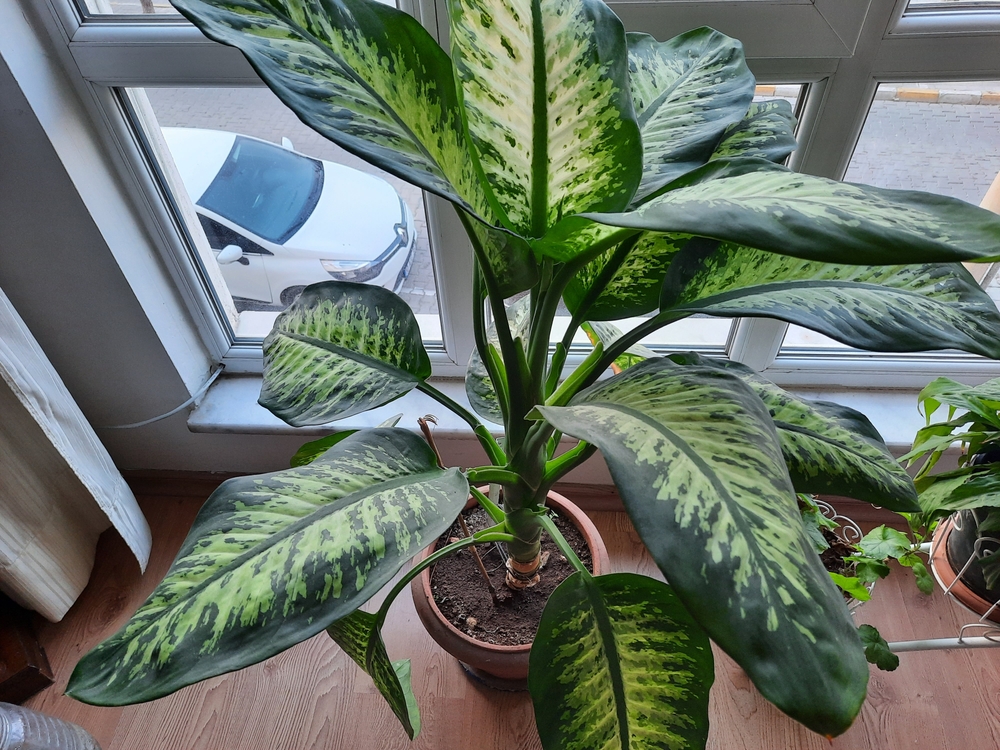
Dieffenbachia – The toxic energy drainer
Not only is dieffenbachia toxic to pets and children, but it’s also said to carry heavy, draining energy.
According to certain spiritual traditions, it can contribute to mental fatigue and low emotional states in a home.
Also read: One Simple Practice Dramatically Eases the Pain of Dying Patients
Plants and the energy of your home

Supporters of energy-based home design believe that every plant emits its own energy field, which influences the atmosphere of the room.
If you choose plants with "heavy" vibrations, they could subtly affect your mood and well-being.
Folklore – but does it work?

While there’s no scientific proof for these claims, many people report feeling better after removing certain plants.
The concept of "bad energy" may be subjective – but it’s real for those who experience it.
Also read: You’ve Been Fooled: Your "Healthy" Cereal Might Be Ruining Your Health
Protect your well-being
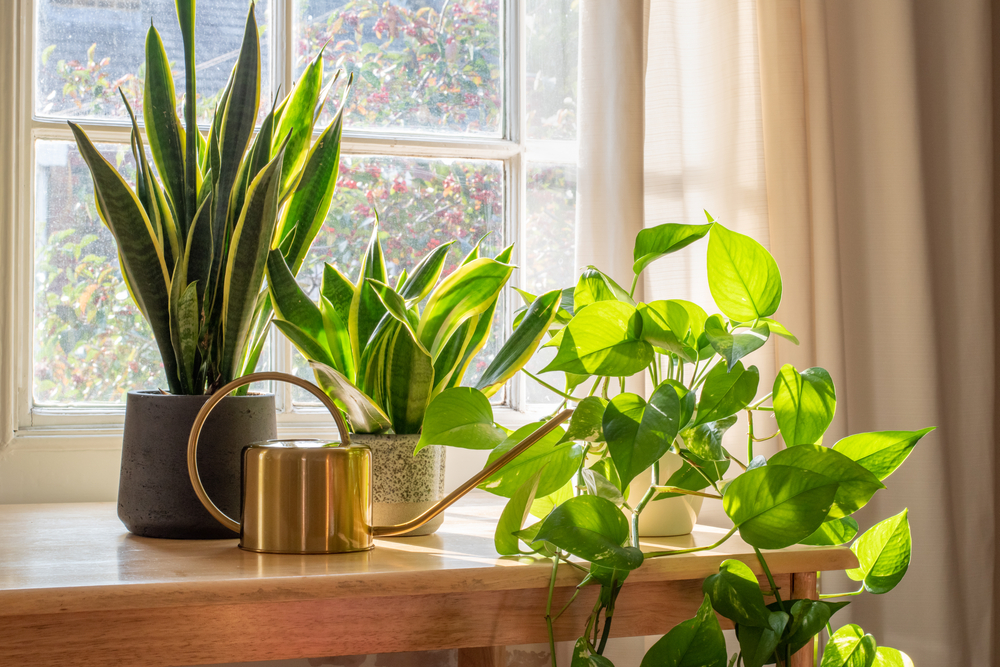
If you often feel tired, irritated, or experience frequent arguments at home, it might be worth looking at the plants you live with.
It’s not about superstition – it’s about being mindful of your environment.
Choose harmony-boosting plants instead
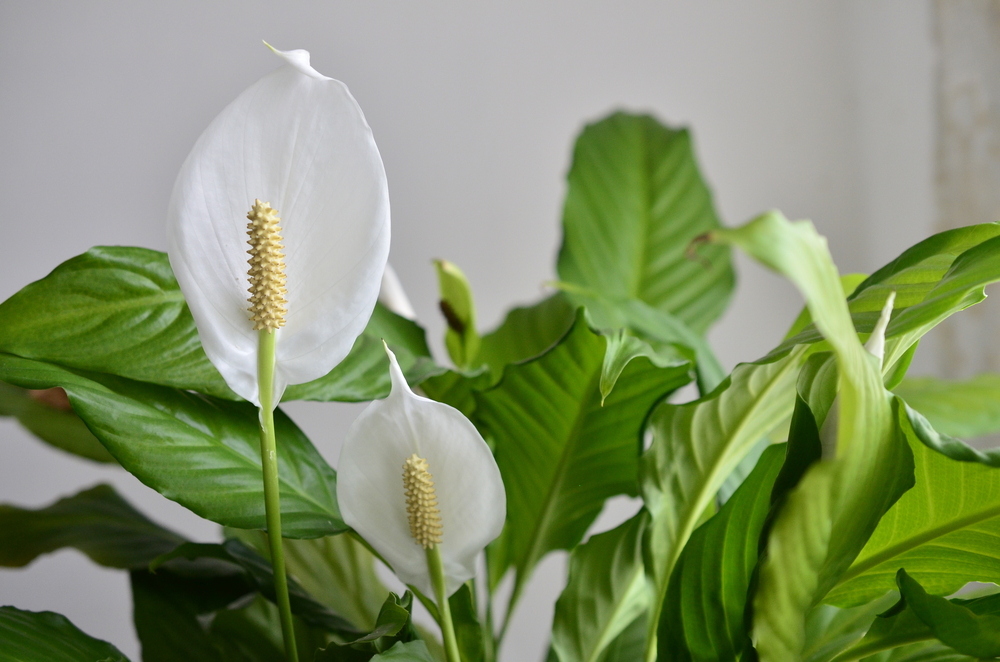
Instead of the "heavy" species, some recommend plants like peace lilies, lavender, or aloe vera – all known for their air-purifying and uplifting qualities, both physically and spiritually.
Trust your intuition

If a certain plant makes you feel uneasy – even if you can’t explain why – maybe it’s time to let it go.
Also read: Taking Ozempic or Mounjaro? Your Birth Control Might Not Be Working
Sometimes, our bodies and minds know what’s best for us long before we do.
This article is based on information from Pensionist.dk.
This article is made and published by Ida-Marie Palm Varbæk, who may have used AI in the preparation.