
Many people experience periods in life where conceiving a child is more challenging than expected. With so much advice and so many beliefs about fertility, it can be difficult to separate fact from fiction.
Here, we examine 10 common claims and what science actually says about them.
Keeping your phone in your pocket may not be ideal

Some research suggests that prolonged exposure to electromagnetic fields from mobile phones could have an impact on overall reproductive health.
While studies are not conclusive, experts recommend keeping electronic devices away from the body when possible, such as storing your phone in a bag or jacket pocket instead of a trouser pocket.
The body has its own ways of supporting fertility
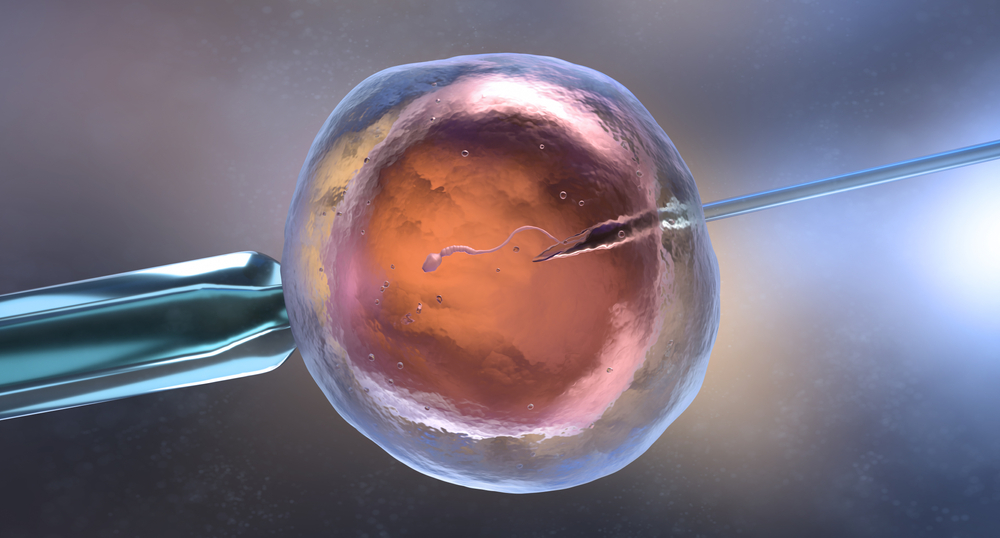
During ovulation, the body naturally facilitates conception through small muscle movements that help guide reproductive cells where they need to go.
While external factors can play a role, the body’s own biological processes are the main drivers in supporting a successful pregnancy.
Walnuts can improve quality

Walnuts are rich in antioxidants, which help protect the body from oxidative stress—a factor that can negatively impact sperm health.
Some studies suggest that antioxidants may support fertility, but the effects vary from person to person depending on overall health and lifestyle.
Intense exercise and stress can affect fertility

Extreme exercise, particularly in elite athletes, can lead to hormonal imbalances that disrupt regular reproductive cycles.
In men, excessive training may lead to DNA damage in reproductive cells. However, it takes a very high level of exercise for this to have a noticeable effect.
Caffeine consumption and fertility

High levels of caffeine intake may negatively affect sperm quality, but moderate consumption—up to two cups of coffee per day—does not appear to have a significant impact. For women, health authorities recommend limiting caffeine intake during pregnancy, as excessive amounts could increase the risk of complications.
Blood type and fertility

Some studies suggest that certain blood types may have a slight advantage in terms of fertility, but research remains inconclusive. There is currently no strong evidence to suggest that blood type directly influences the ability to conceive.
Alcohol can lower fertility

Excessive alcohol consumption can reduce fertility in both men and women. In men, it may decrease sperm quality, while in women, it can interfere with hormonal balance and ovulation. Moderation is key for those trying to conceive.
Age is one of the biggest fertility factors

Age plays a crucial role in fertility, particularly for women. Fertility begins to decline significantly after age 35, while for men, sperm quality also decreases over time, although at a slower rate.
Fertility challenges affect men and women equally

While fertility struggles are often associated with women, studies show that male fertility issues are a contributing factor in approximately half of all cases of infertility. This highlights the importance of both partners undergoing medical evaluation if conception proves difficult.
This article is based on information from DR
This article is made and published by Mie Hermansen, who may have used AI in the preparation.