
In a world-first experiment, researchers have managed to reverse key symptoms of Alzheimer’s disease in mice. The discovery offers fresh hope that one day, treatments could not only slow but actually undo the damage caused by the condition.
A global health crisis

Around 57 million people worldwide live with dementia, and up to 70 percent of cases are caused by Alzheimer’s disease.
A glimmer of possibility
Once considered untreatable, Alzheimer’s may no longer be a one-way path, thanks to an extraordinary scientific discovery.
Collaboration across continents
Researchers from Spain, China, and the UK joined forces to explore a groundbreaking way to reactivate the brain’s natural cleaning system.
Also read: Got something stuck in your eye? Here’s how to remove it safely
The brain’s hidden filtration system
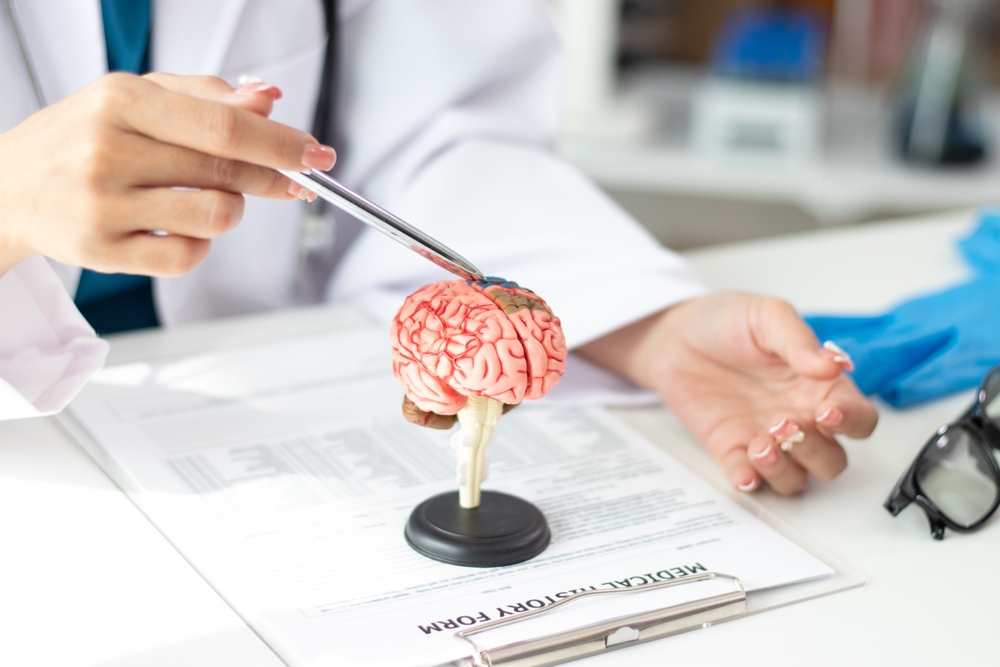
Using advanced nanotechnology, the team managed to “restart” the blood–brain barrier — a crucial mechanism that clears toxic proteins from brain tissue.
Tiny molecules with massive impact
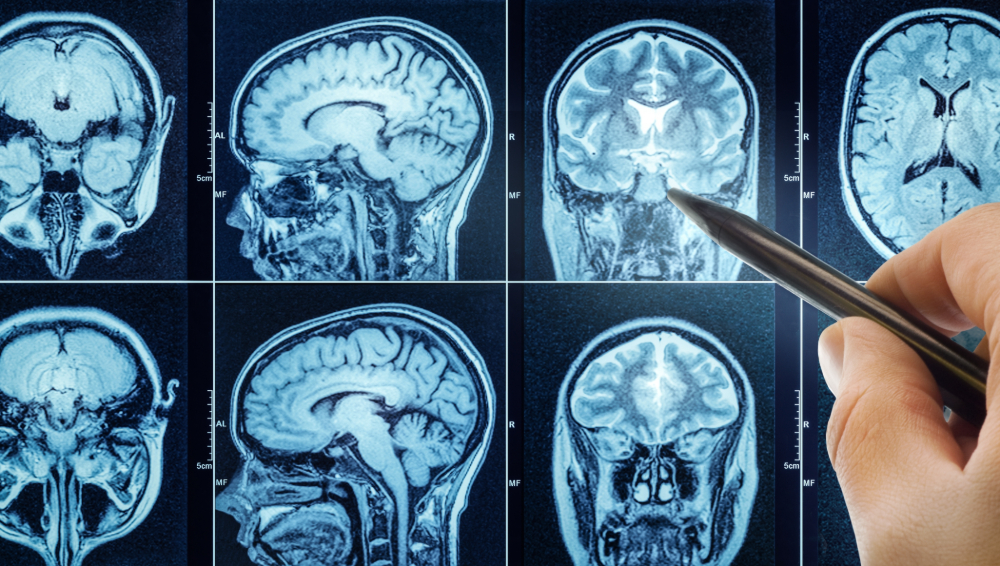
The scientists injected ultra-small nanoparticles designed to activate a key protein responsible for maintaining healthy brain circulation.
Clearing the culprit
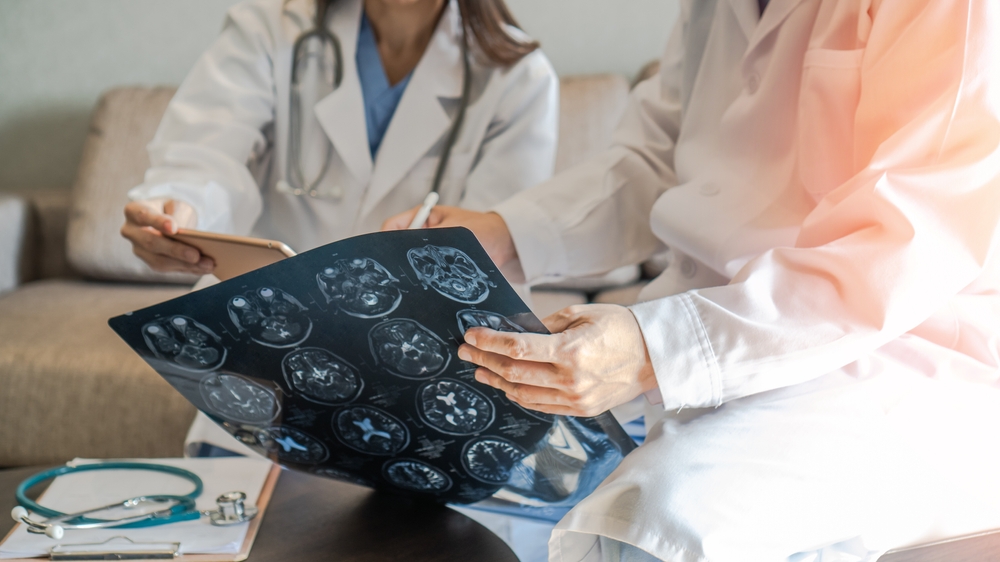
This process targeted beta-amyloid — a sticky protein known to build up in the brains of Alzheimer’s patients and disrupt neural connections.
Results in just one hour
Within 60 minutes of treatment, researchers observed up to a 60 percent reduction in beta-amyloid levels in the mice’s brains.
Also read: How to maintain healthy bones with the right diet
Memory restored
One older mouse, equivalent in age to a 90-year-old human, regained normal cognitive function six months after treatment.
Brain function revived
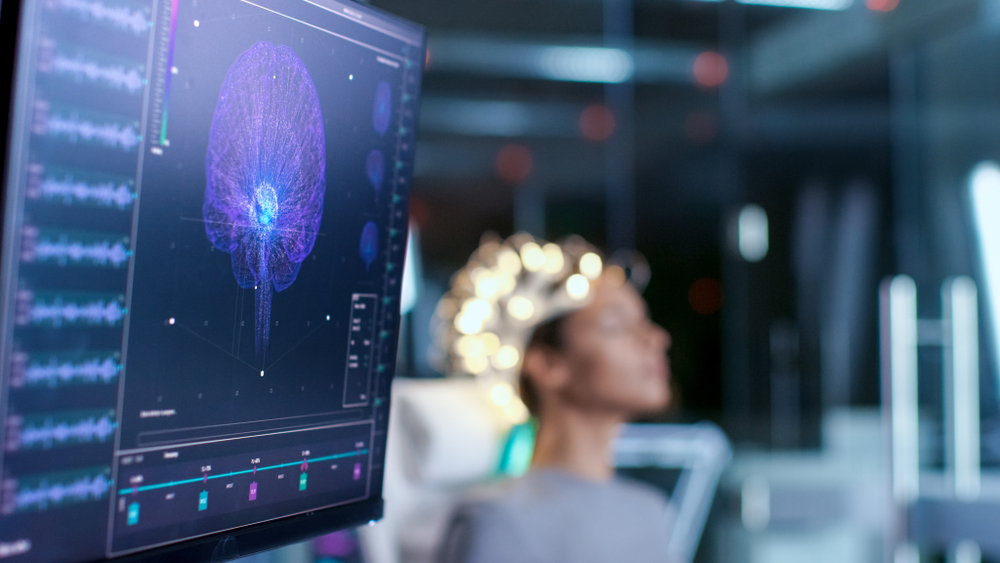
The experiment not only reduced damage but appeared to restore communication between brain cells and improve memory capacity.
A cautious step forward
While the findings are remarkable, the scientists stress that these results are limited to animal models and must be confirmed in human trials.
A hopeful horizon
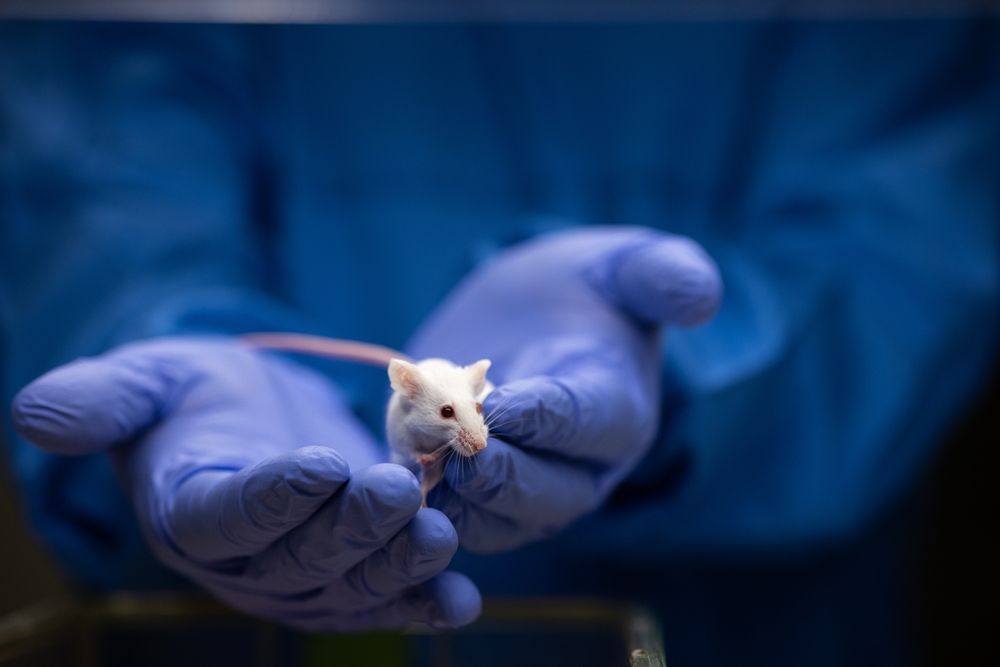
If future clinical studies succeed, this could mark the beginning of a new era in Alzheimer’s treatment — one where the disease might finally be reversed.
Also read: This is the healthiest type of flour, according to dietitians
Article based on information from Illustreret Videnskab and Nature
Also read: Can a kiss harm your teeth? Here’s what experts say
This article is made and published by Mie Hermansen, who may have used AI in the preparation.