
A hangover is the result of your body's efforts to recover after drinking too much alcohol. Researchers say the familiar symptoms stem from several biological processes that take place as alcohol is broken down and eliminated, reports Independent.
Recovery begins as soon as you stop drinking
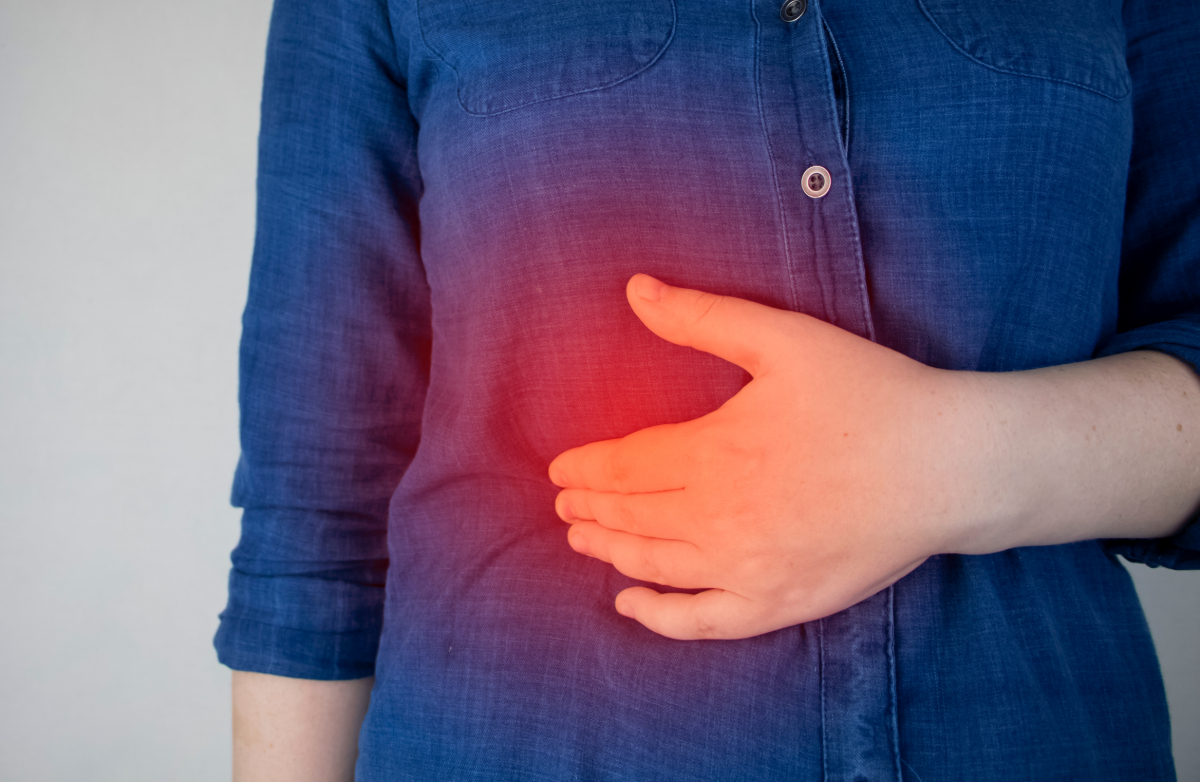
Once alcohol enters the body, it is processed so it can eventually be removed. The liver plays the leading role in this process and works harder after heavy drinking.
Breaking down alcohol creates a toxic compound
One of the byproducts formed during alcohol metabolism is acetaldehyde. Because it is harmful, the body quickly converts it into a less toxic substance.
A hangover has more than one cause

Researchers say there is no single explanation for a hangover. Instead, it develops through a combination of biological responses occurring at the same time.
Also read: Nearly 2,000 US children were hospitalized for taking too many vitamins in just 3 years
Alcohol affects the brain as well

Drinking alcohol alters the activity of several neurotransmitters in the brain. These changes are thought to contribute to shifts in mood, energy and overall well-being the next day.
Inflammation is part of the body's response
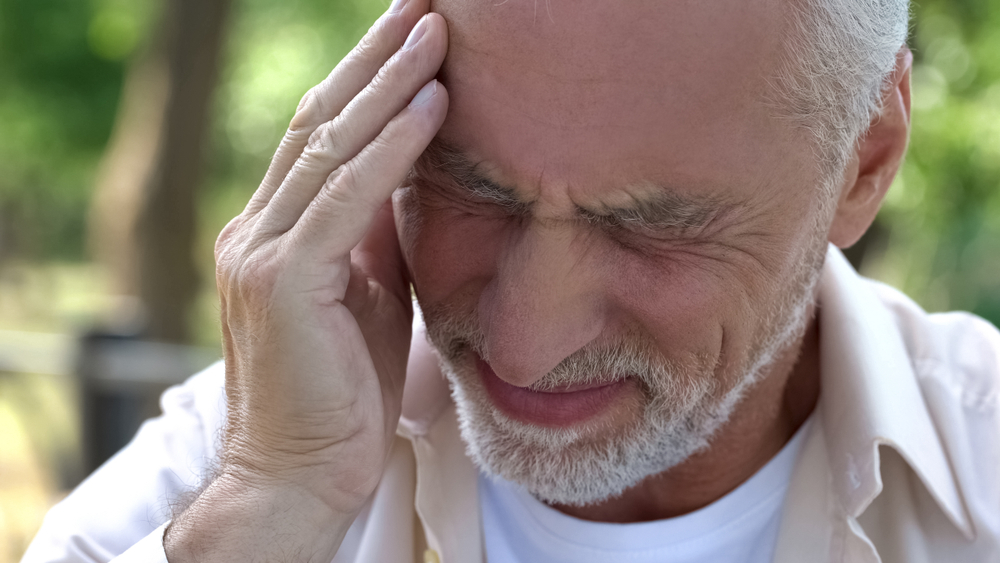
Heavy drinking can increase inflammatory activity throughout the body. It may also affect the balance of beneficial bacteria in the gut.
Recovery can take up to 48 hours

While some people feel better within hours, the body's recovery process can continue for as long as two days before everything returns to normal.
Fatigue can linger into the next day

Poor sleep combined with the body's recovery efforts often leaves people feeling tired, irritable and less able to concentrate.
Also read: New study brings personalised cancer vaccine closer to patients
No treatment has been proven to work
Although many products claim to ease hangover symptoms, researchers say there is still no strong scientific evidence showing that most of them are effective.
Common remedies lack solid evidence

Food, caffeine, energy drinks, vitamins, herbal supplements and drinking more alcohol are frequently suggested as hangover cures. According to the research, however, none has been convincingly proven to work.
Scientists are studying potential treatments

One substance attracting attention is dihydromyricetin, a compound used in traditional Chinese herbal medicine. Animal studies suggest it may help speed up the breakdown of alcohol and acetaldehyde.
The best strategy is still prevention

Researchers conclude that avoiding excessive alcohol remains the most reliable way to prevent a hangover. If you do drink heavily, staying hydrated and allowing your body time to rest may help support recovery.
Also read: Filling, heart-smart and under 600 calories: 10 Mediterranean weeknight plates
Also read: 8 signs you could have IBS - and the foods most likely to trigger it
This article is made and published by Mie Hermansen, who may have used AI in the preparation.