
Salt is essential for the body, but consuming too much over time can take a toll on both your heart and blood vessels. According to the article, even small dietary changes may help reduce the strain on your cardiovascular system.
Salt plays an important role in the body
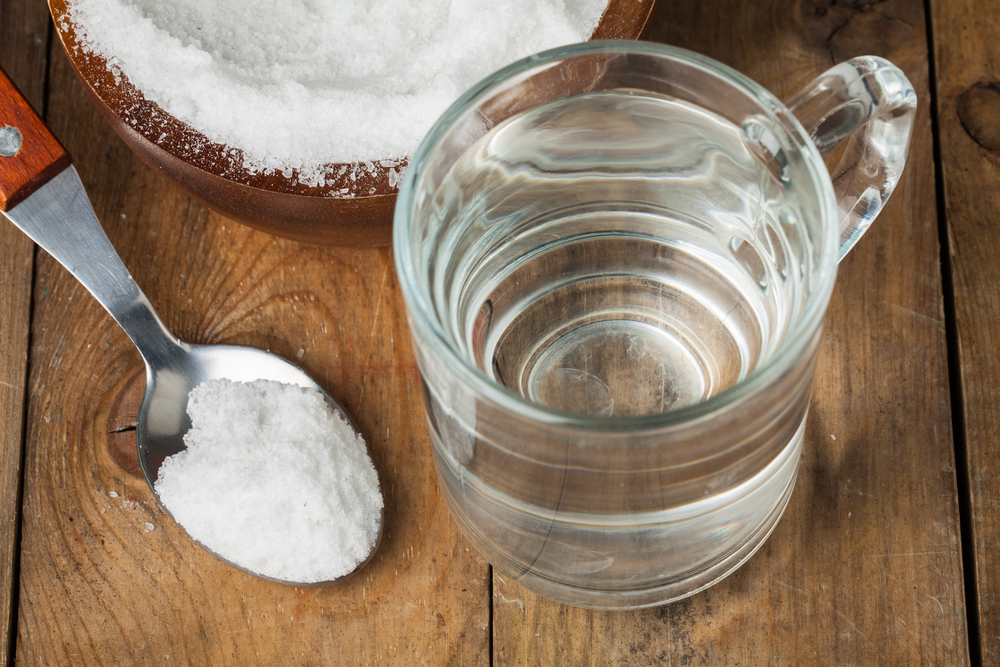
Sodium is needed to help regulate fluid balance, blood pressure, and the normal function of nerves and muscles. The body needs salt, but only in appropriate amounts.
When does salt become a problem?
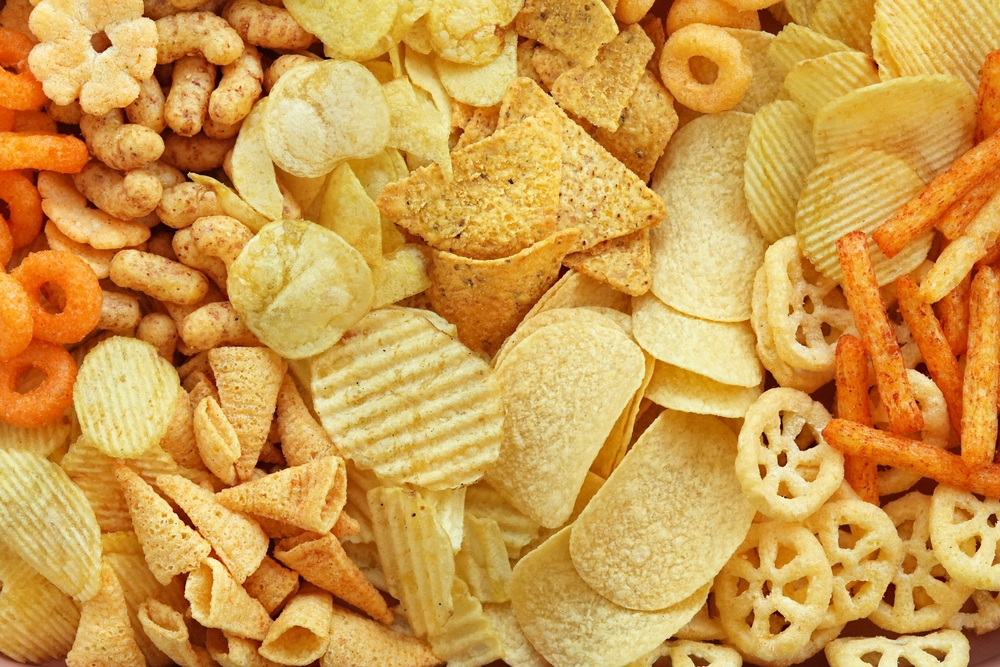
According to the article, many people consume more sodium than recommended. When intake remains high over time, it becomes more difficult for the body to maintain the proper balance of sodium and fluids.
Your heart has to work harder

A high sodium intake causes the body to retain extra fluid. This increases the volume of blood circulating through the body, forcing the heart to work harder to pump it.
Also read: Young children's diet may influence brain development
Blood pressure can rise

The additional fluid can gradually lead to high blood pressure, one of the best-known consequences of consuming too much salt.
Blood vessels can become less flexible

The article explains that excessive sodium intake may damage the inner lining of blood vessels, making them stiffer and less able to function properly.
The risk increases over time

As the heart and blood vessels remain under constant strain, the risk of heart disease, stroke, and heart failure can increase.
Not everyone responds the same way

Some people are more sensitive to salt than others, meaning their blood pressure rises more easily when sodium intake is high.
Also read: How often should you get up from your chair to lower your cancer risk? New study has an answer
Processed foods are a major source of sodium

Much of the sodium in the average diet comes from processed and packaged foods. Choosing lower-sodium alternatives can help reduce overall intake.
Home cooking gives you more control
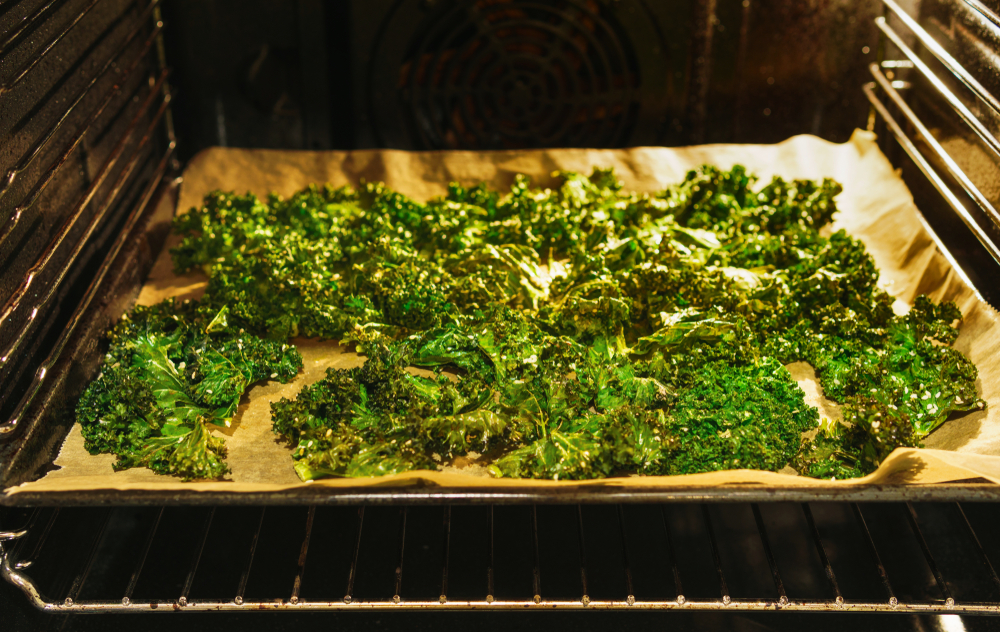
Preparing meals at home makes it easier to manage how much salt is added during cooking.
Herbs and spices can add flavor
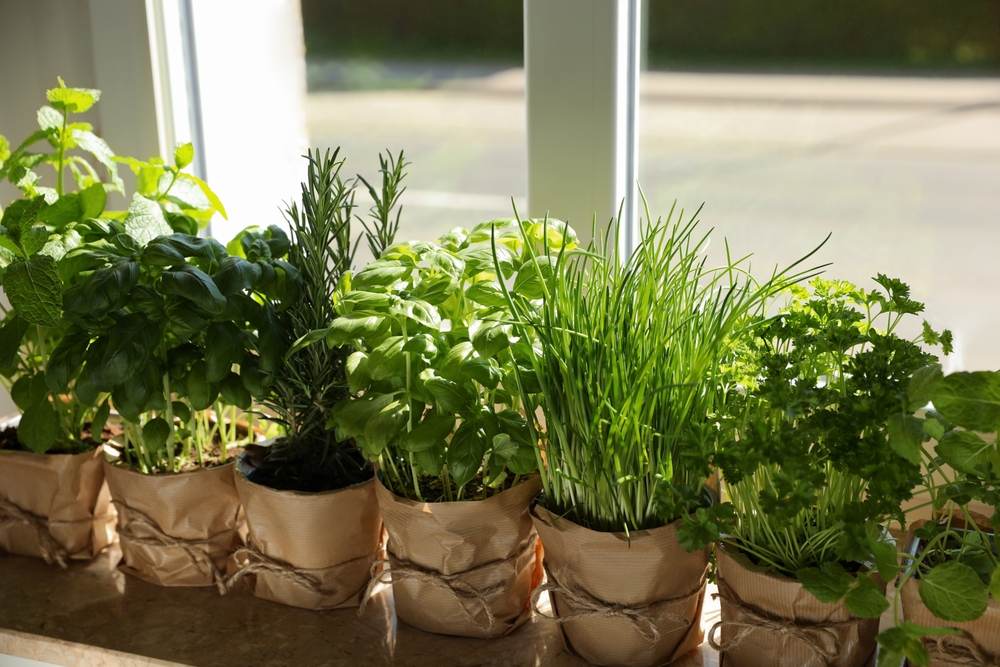
Fresh and dried herbs, along with a variety of spices, can enhance meals without increasing sodium intake.
Citrus is another option
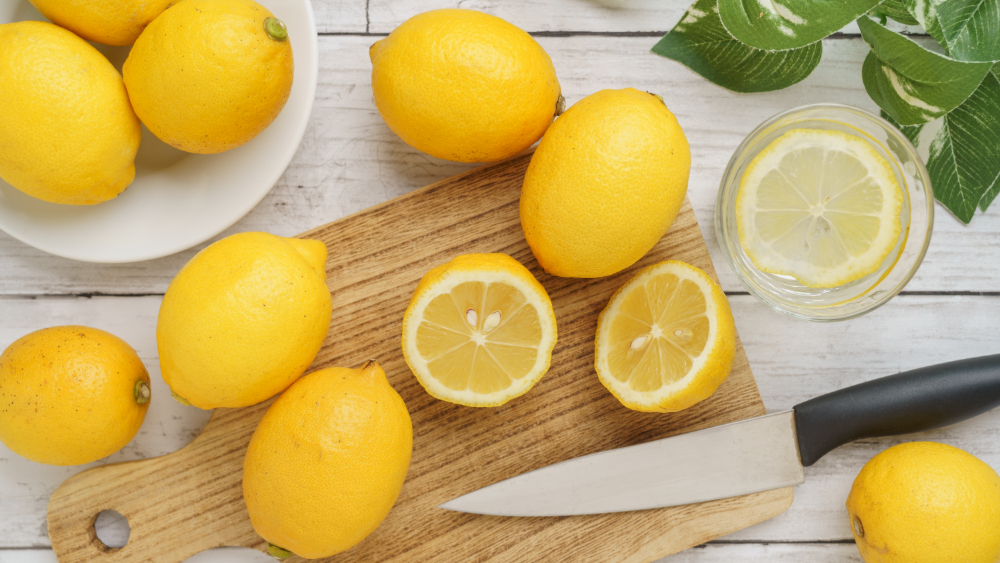
Lemon and lime can brighten the flavor of many dishes and reduce the need for added salt.
Also read: Common stroke may be caused by something doctors overlooked
Vinegar can boost flavor too
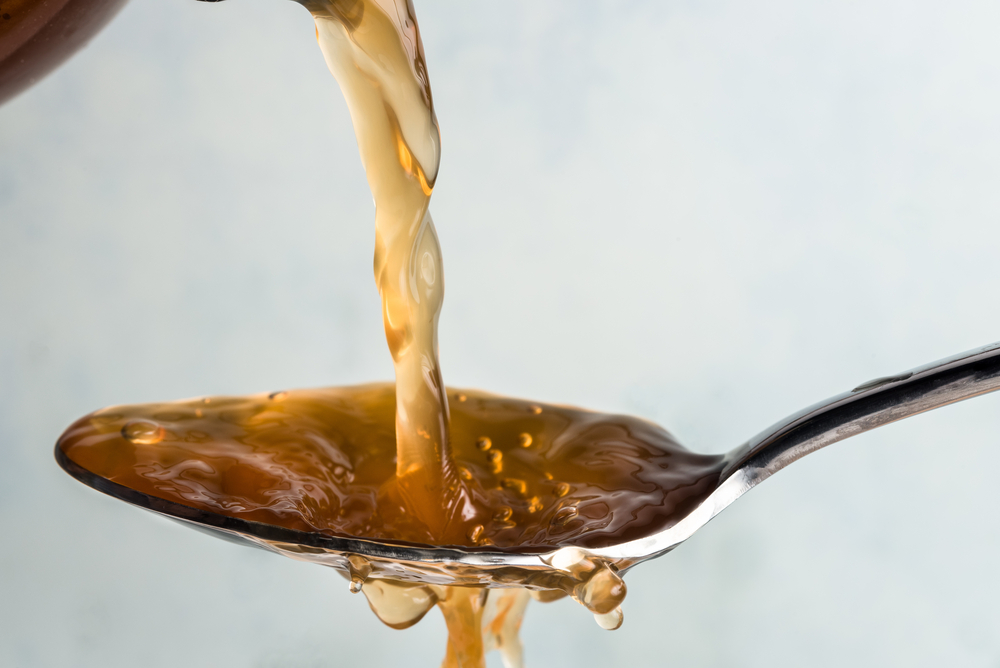
Balsamic, apple cider, and red wine vinegars are highlighted in the article as flavorful alternatives that require little or no added salt.
Taste your food before adding salt

Experts recommend tasting your meal before reaching for the salt shaker. Salty ingredients can also be used more strategically in smaller amounts to maximize flavor.
Also read: What happens to the body after stopping GLP 1 weight loss drugs
This article is made and published by Mie Hermansen, who may have used AI in the preparation.