
Research suggests that many patients regain weight after stopping weight loss medication. A large international analysis found that weight gain often begins just weeks after treatment ends, even among people who previously lost significant amounts of weight, reports Science Daily.
Many patients started gaining weight again

Researchers found a clear pattern showing that participants began regaining weight after stopping their medication. In many cases, the increase started within the first weeks after treatment ended.
The analysis included studies from around the world
The research combined results from 11 randomized studies conducted in several different countries. The goal was to examine how the body responds after people stop taking anti obesity medication.
More than 2,400 people were included
Researchers analyzed data from 1,574 people in treatment groups and 893 people in control groups. This gave the study a broad foundation for comparing outcomes after treatment stopped.
Also read: Researchers test new breast cancer treatment - without surgery
Several different drugs were examined
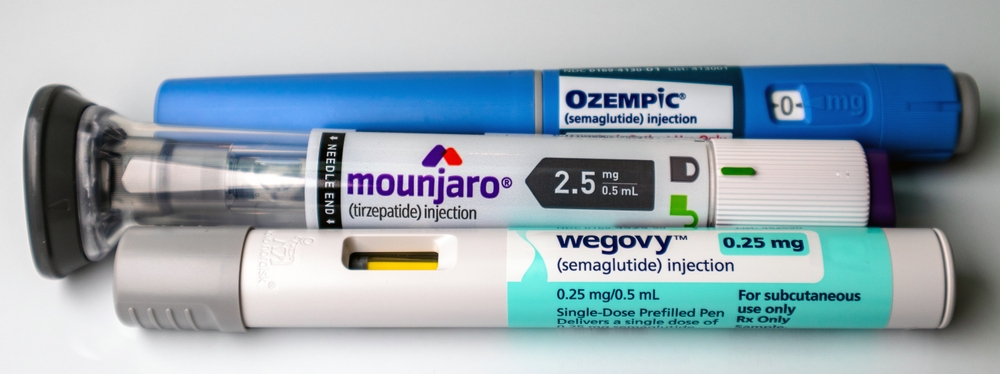
The analysis included medications such as semaglutide, tirzepatide, orlistat, and phentermine topiramate. Researchers compared how patients responded after using different types of treatment.
GLP 1 drugs made up most of the studies
Six of the 11 studies focused on GLP 1 receptor agonists. These medications were originally developed for diabetes treatment but are now increasingly used for weight loss.
Patients lost weight while on treatment
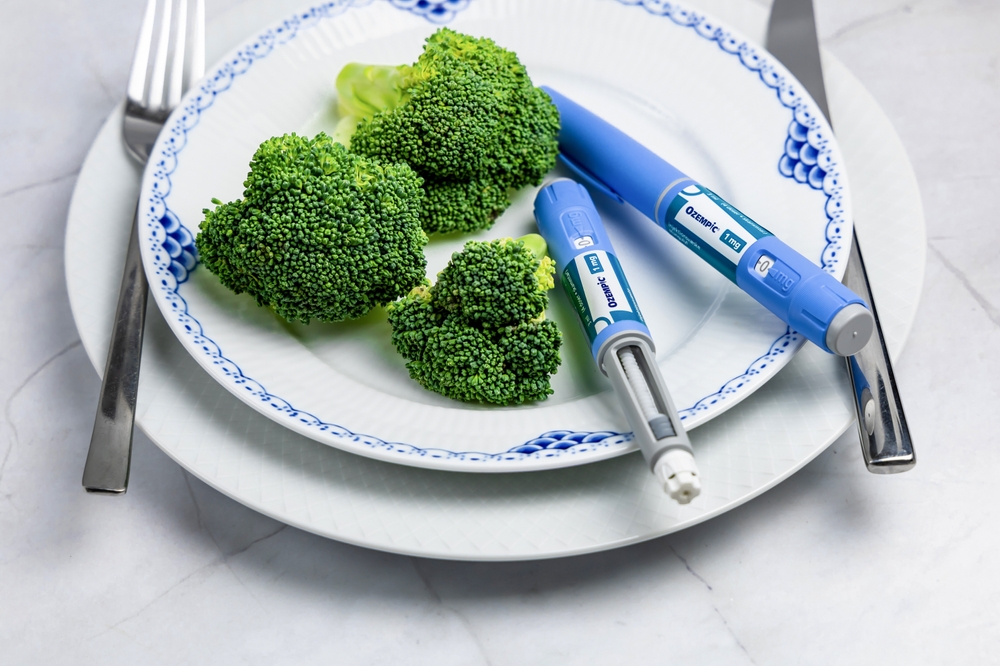
The results showed that participants generally experienced significant weight loss while taking the medication. Several treatments had a clear impact on both body weight and BMI.
Weight regain often started soon after stopping

According to the analysis, weight gain frequently began around eight weeks after patients stopped taking the medication. The same trend appeared across multiple studies.
Also read: Four weeks of dietary changes affected biological age markers, study finds
The trend continued for several months
Researchers found that weight regain continued for an average of about 20 weeks before beginning to level off. Many participants regained a substantial portion of the weight they had lost.
Follow up checks showed the same pattern

The studies tracked participants at several points after treatment ended. Researchers observed clear weight increases after eight, 12, and 20 weeks.
Lifestyle changes affected the outcome
Researchers also looked at factors such as diet and exercise. The findings showed that lifestyle habits influenced how much weight participants regained.
Results differed depending on the medication

The amount of weight regained varied depending on the specific treatment participants had received. Some medications were linked to greater rebound weight gain than others.
Also read: Your earwax can reveal signs of disease – here are the symptoms
Tirzepatide patients regained much of the lost weight

Participants who had taken tirzepatide for 36 weeks regained nearly half of the weight they had previously lost after switching to a placebo.
Also read: Millions take glucosamine, but evidence remains unclear
This article is made and published by Mie Hermansen, who may have used AI in the preparation.