
Cumin is a popular spice used in everything from soups to curries, but researchers have also explored whether it could influence blood sugar levels. So far, the evidence remains mixed, and stronger research is still needed, reports VeryWell Health.
Research has not reached a clear conclusion
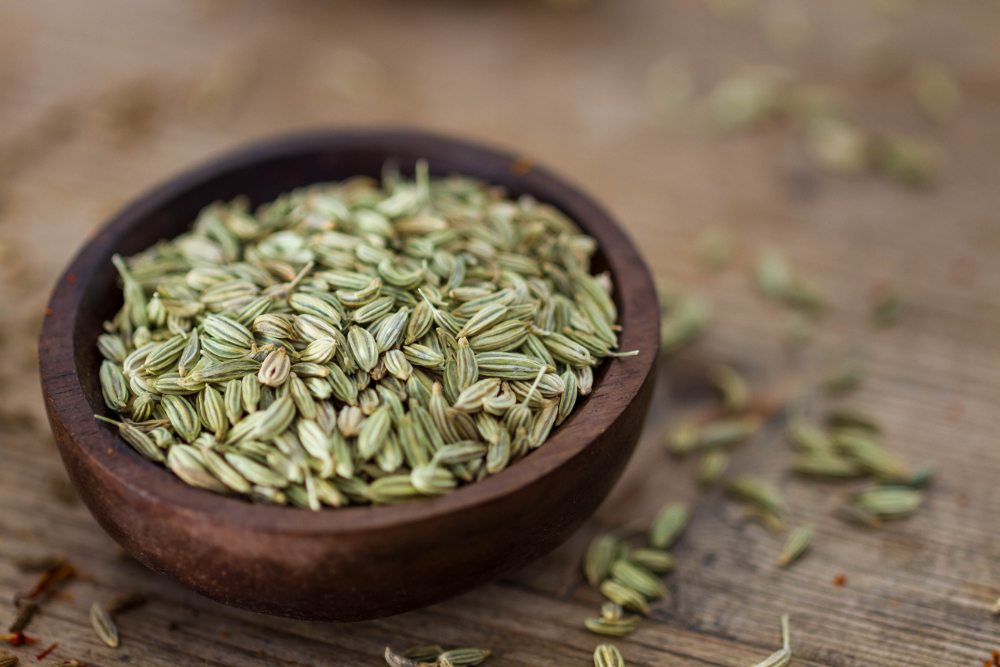
Current studies do not provide a definitive answer on whether cumin lowers blood sugar. While some research has reported positive findings, other studies have found little or no effect.
Several blood sugar markers have been studied

Researchers have examined fasting blood glucose, HbA1c, and insulin sensitivity. However, the results have been inconsistent across different studies.
Small studies limit the conclusions

Many of the available studies have included relatively few participants or lasted only a short time. As a result, it is difficult to draw firm conclusions.
Also read: Forget counting calories: Here is the easiest way to lose weight
Different forms of cumin have been tested
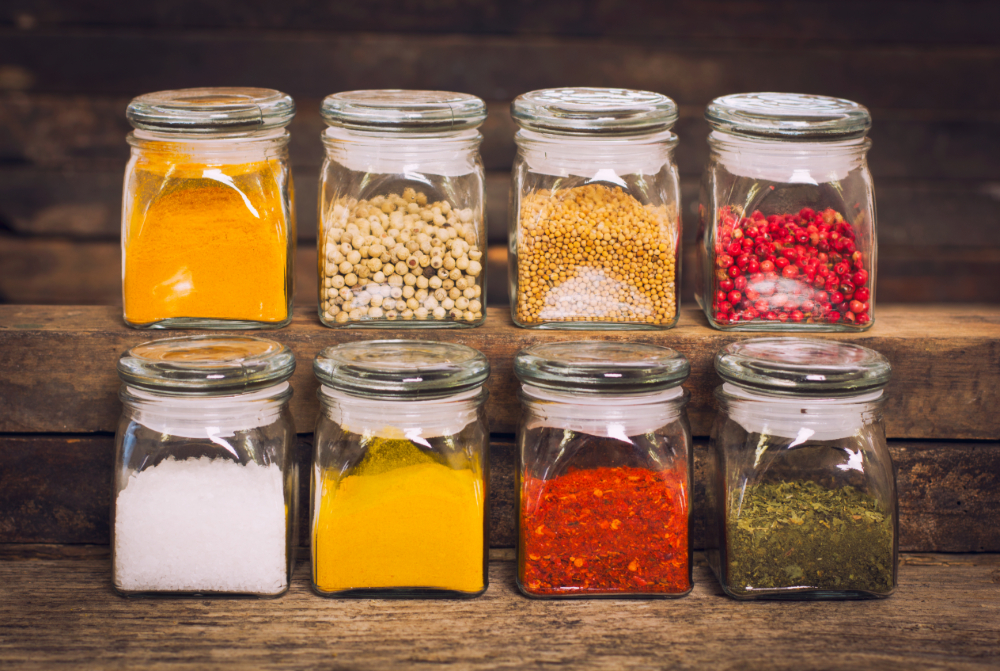
Researchers have used a variety of cumin products, including powdered cumin and concentrated extracts. These differences make it harder to compare results.
Supplements are not the same as cooking with cumin
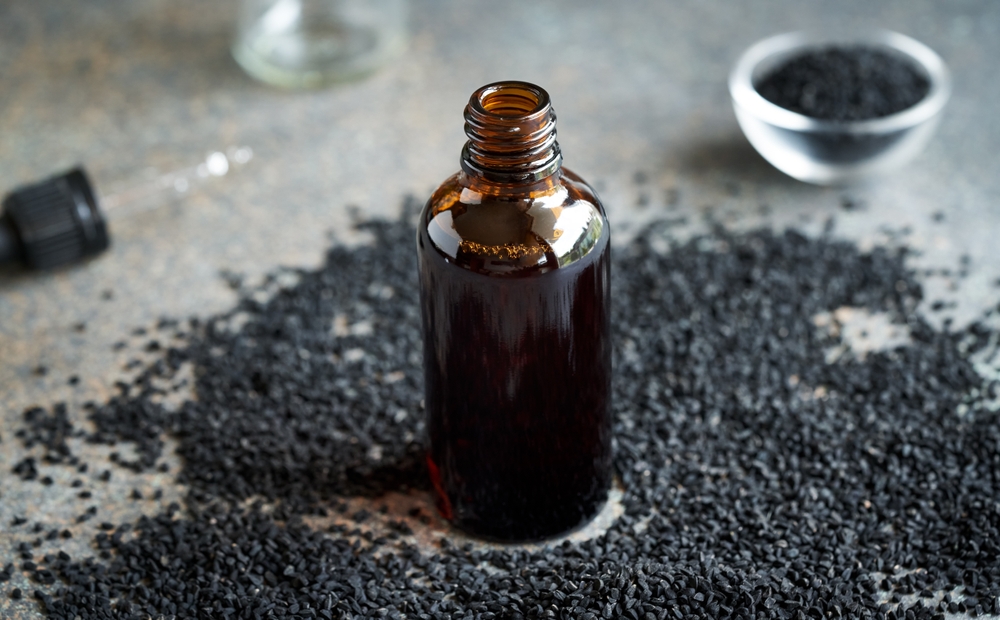
Most research has focused on concentrated cumin supplements rather than the small amounts typically added to meals. That means the findings may not apply to everyday cooking.
No standard dose has been established
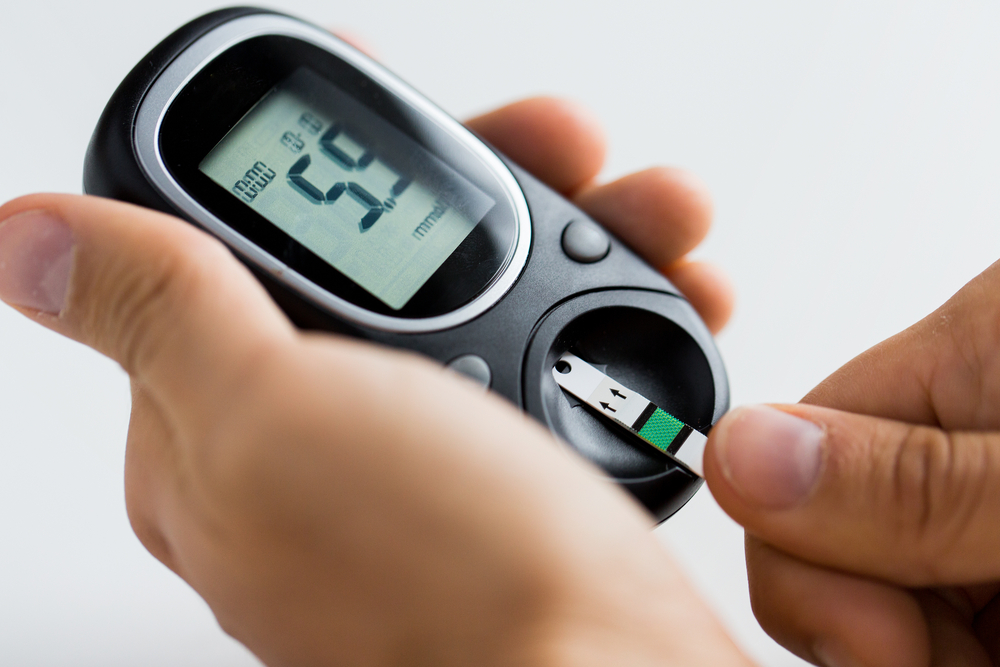
Researchers have not identified a specific amount of cumin that consistently affects blood sugar. In addition, supplement formulations can vary considerably.
Speak with a healthcare professional before using supplements

Anyone considering cumin supplements, especially those taking diabetes medication, should consult a healthcare professional first. Combining supplements with blood sugar lowering medication could influence glucose levels.
Also read: Over a third of all cancers are preventable, and WHO just identified the biggest causes
Scientists are still exploring how it might work

One theory is that compounds in cumin may influence enzymes involved in breaking down carbohydrates. This could potentially slow the release of glucose into the bloodstream after meals, although this idea is based mainly on laboratory and animal studies.
Cumin contains antioxidant and anti inflammatory compounds

Cumin has antioxidant and anti inflammatory properties that may support metabolic health. However, these characteristics do not prove that the spice lowers blood sugar in people.
There is no reason to avoid cumin if you have diabetes

According to the available evidence, people with diabetes do not need to eliminate cumin from their diet. However, it should never replace treatments recommended by healthcare professionals.
Proven diabetes treatments remain the priority
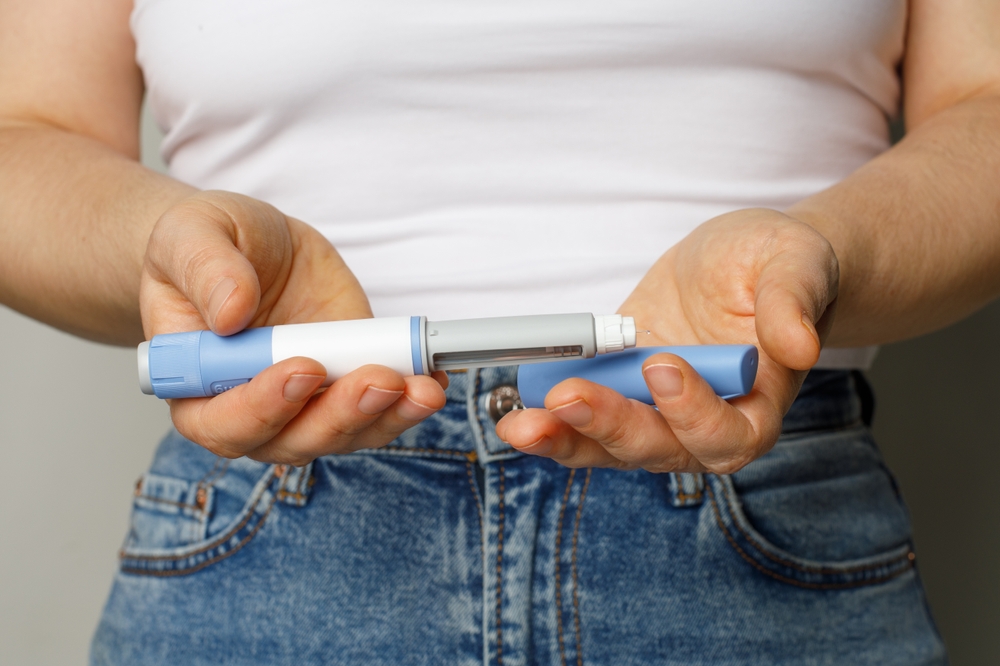
Medications such as metformin and other diabetes therapies have much stronger scientific evidence for managing blood sugar. Prescribed treatment should therefore be continued as directed.
Also read: Low on magnesium? 8 signs your body may be trying to tell you
Healthy daily habits matter most

A balanced eating pattern, regular physical activity, adequate sleep, and following prescribed treatment have a much greater impact on blood sugar than any single ingredient. Cumin can still be used to add flavor to vegetables, beans, lentils, soups, and whole grains.
Also read: Vape flavoring may disrupt early human development
This article is made and published by Mie Hermansen, who may have used AI in the preparation.