
Almonds are not only an easy snack but are also linked to several health benefits.
According to Verywell Health, research particularly points to a positive effect on blood pressure with regular consumption.
High blood pressure is a serious risk factor

Elevated blood pressure increases the risk of heart attack, stroke, and kidney disease, among other conditions.
Effect on blood pressure

Several scientific studies show that regular consumption of almonds can lower blood pressure, especially diastolic blood pressure, which is the lower number.
Also read: How to make an easy and healthy alternative to butter
Magnesium and potassium
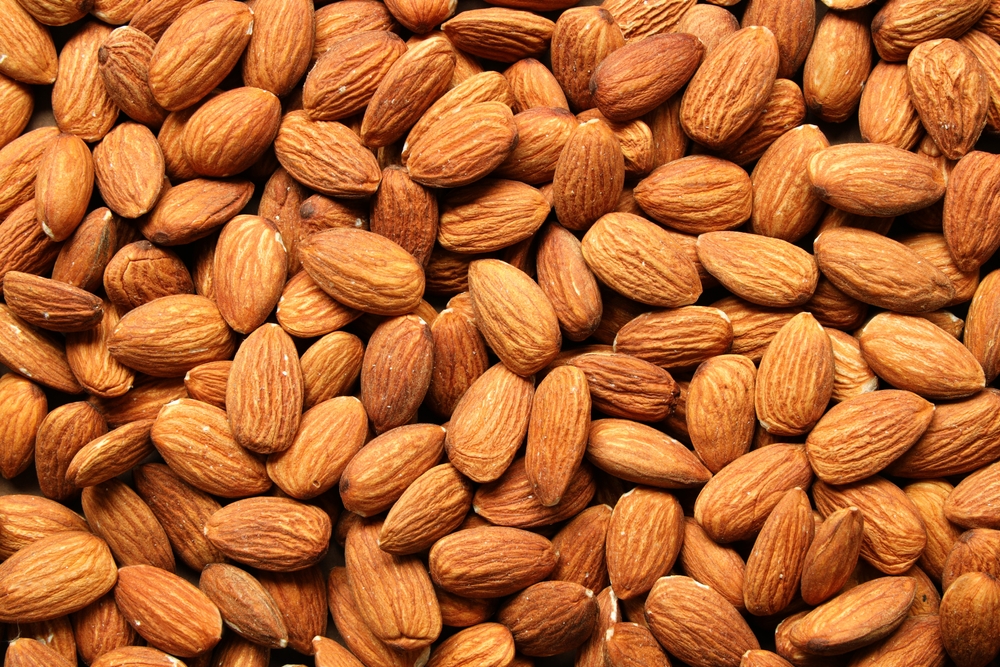
These minerals in almonds help dilate blood vessels, contributing to lower blood pressure.
Healthy fats
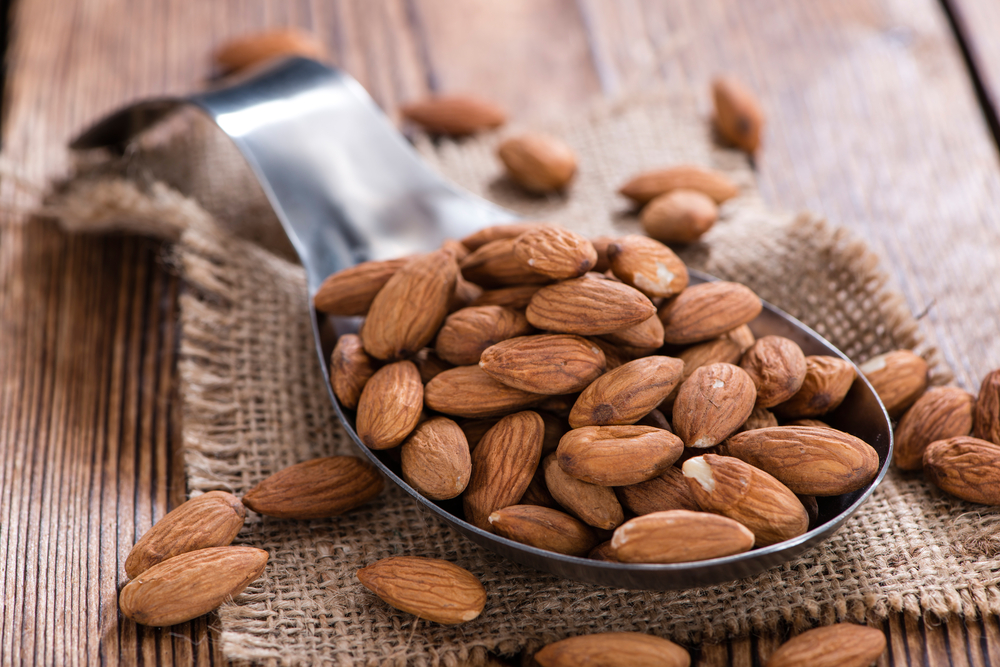
Almonds contain unsaturated fats that promote the production of nitric oxide, helping blood vessels relax.
Vitamin E reduces stress in the body
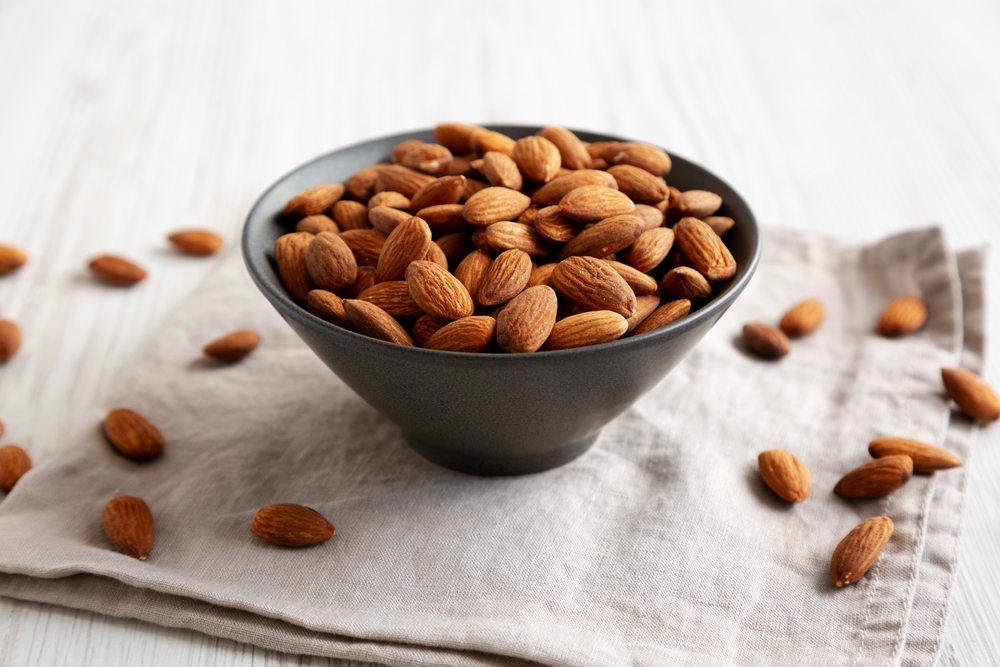
Vitamin E acts as an antioxidant and reduces oxidative stress, which can otherwise lead to narrower blood vessels.
Analysis from 2020
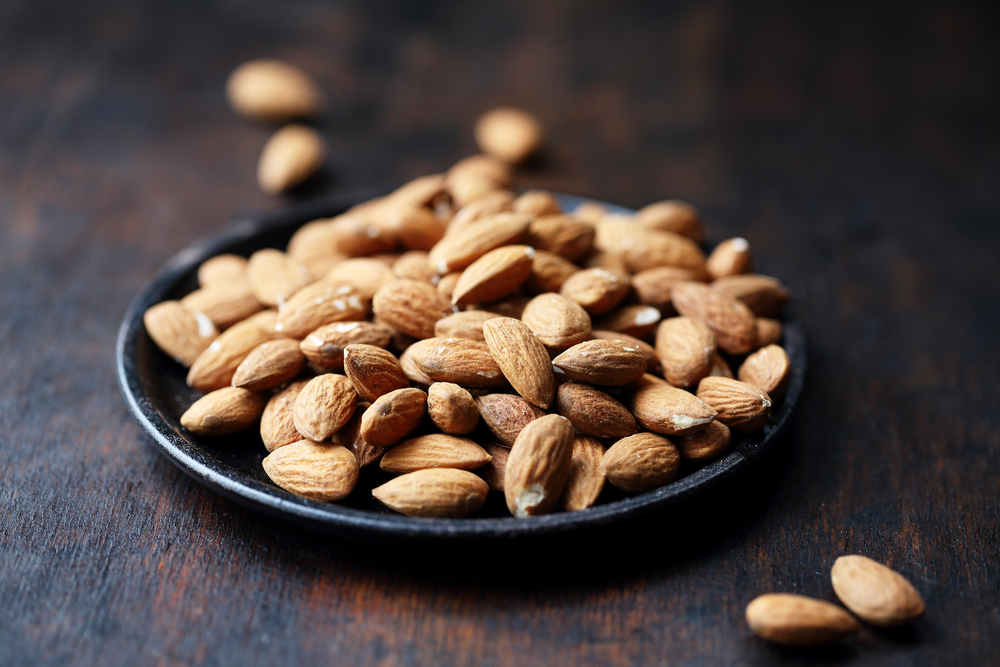
A review of 16 studies involving more than 1,000 participants, published in Complementary Therapies in Medicine, showed that almonds reduced diastolic blood pressure by an average of 1.3 mmHg.
Also read: Around half of AI health responses are misleading
Effect at lower doses

The 2020 study also found that individuals with low systolic blood pressure experienced improvements even with smaller amounts of almonds.
Analysis from 2022

An analysis of 26 studies involving more than 1,700 participants, published in Phytotherapy Research, confirmed that almonds have a clear effect in lowering diastolic blood pressure.
Fiber affects gut bacteria

The fiber in almonds promotes beneficial gut bacteria, which produce compounds that may help lower blood pressure, according to a study published in Current Hypertension Reports.
Increases satiety

The combination of protein, fat, and fiber makes almonds filling, which can support weight loss, according to a study published in Nutrients, and may thereby indirectly lower blood pressure.
Also read: Analysis of 18 studies finds increased risk of stroke among people with chronic pain
Low salt content
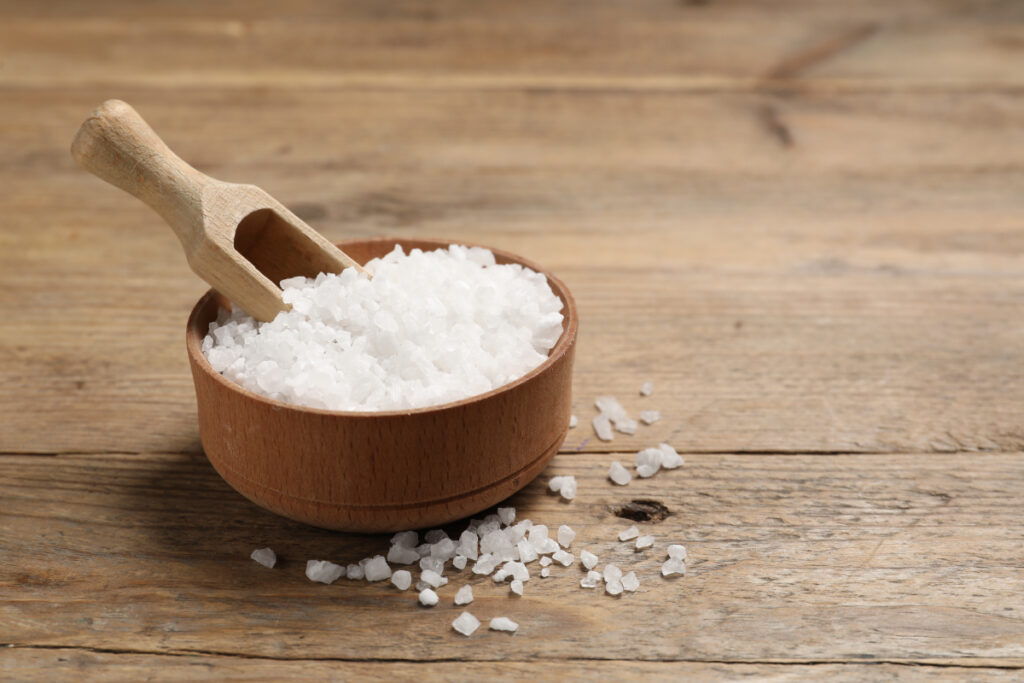
Almonds naturally contain very little salt, which is important, as high salt intake can increase blood pressure.
Improves cholesterol levels
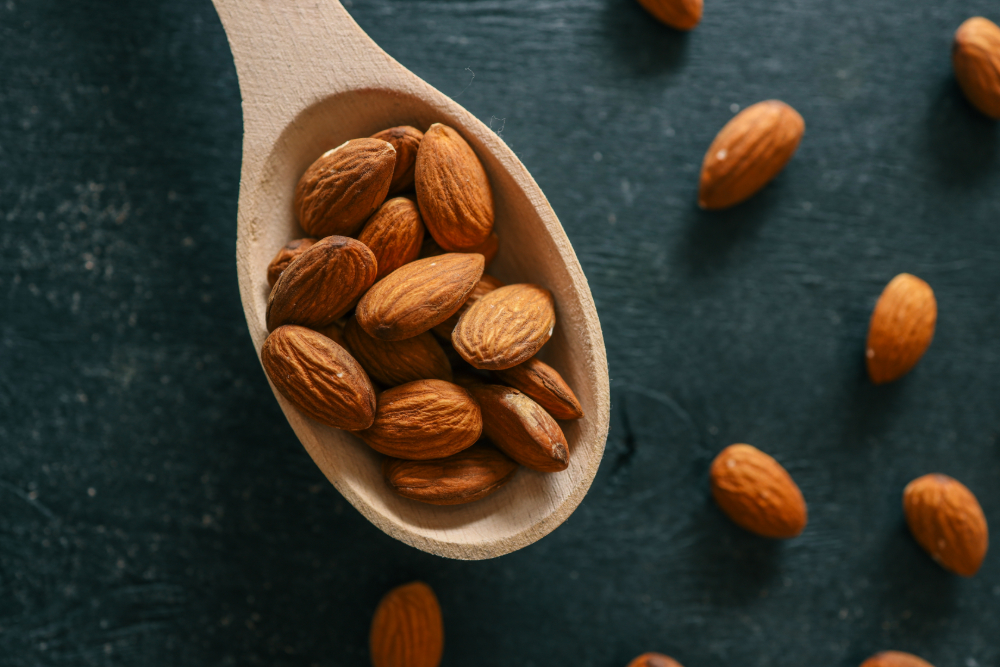
Almonds can lower LDL cholesterol and triglycerides, reducing buildup in the blood vessels and supporting healthy blood pressure.
Diet plays an important role

Lifestyle changes, including diet, are central to both the prevention and treatment of high blood pressure.
The DASH diet

The DASH diet recommends nuts, fruits, and vegetables, along with limited salt intake, to help lower blood pressure.
Also read: Tired of potatoes? Try this forgotten root vegetable
Almonds fit in

Almonds contain many of the nutrients that characterize the DASH diet and also have a low content of salt and saturated fat.
Recommended amount of almonds

Research suggests that around 35 almonds can provide health benefits.
Choose unsalted varieties

It is recommended to choose unsalted or lightly salted almonds to keep salt intake low.
Be aware of allergies

People with nut allergies should avoid almonds, as they are a tree nut.
Also read: Tick-borne encephalitis: Understanding TBE and how to stay protected
Sources: Verywell Health, Complementary Therapies in Medicine, Phytotherapy Research, Current Hypertension Reports, and Nutrients.
This article is made and published by Ida-Marie Palm Varbæk, who may have used AI in the preparation.