
Coffee can have both beneficial and less beneficial effects on your kidneys, depending on how much you drink and your overall health. Research points to links with kidney disease, kidney stones, blood pressure and fluid balance, reports EatingWell.
Coffee may be linked to a lower risk of kidney disease

Daily coffee consumption appears to be associated with a lower risk of chronic kidney disease. One meta-analysis found that people who drank at least two cups of coffee a day had a 14 percent lower risk of developing kidney disease than those who drank less.
Coffee’s natural compounds may play a role

Coffee contains more than 1,000 naturally occurring compounds. These include chlorogenic acids, polyphenols and melanoidins, which have antioxidant and anti-inflammatory properties. They may help explain coffee’s potential protective effects.
The benefits may not come from caffeine

Several of the compounds linked to coffee’s potential health benefits are also found in decaffeinated coffee. This means decaf may offer some of the same advantages while providing significantly less caffeine.
Also read: How vitamin D can affect your liver if you take it every day
Coffee may also matter if you already have kidney disease

Among people who already have kidney disease, coffee consumption has been associated with a lower risk of the condition progressing to end-stage kidney disease. It has also been linked to less protein in the urine and lower mortality.
More urine may reduce the risk of kidney stones

Coffee can increase urine volume, which may help dilute minerals that could otherwise accumulate and form crystals. In this way, regular coffee consumption may be associated with a lower risk of developing kidney stones.
Coffee counts toward your fluid intake

Getting enough fluids is important for preventing kidney stones. Coffee contributes to overall fluid intake and may therefore help dilute the urine, reducing the risk of different types of kidney stones forming.
Caffeine can raise blood pressure

Caffeine can temporarily affect blood pressure. This matters for kidney health because high blood pressure can damage the blood vessels that supply the kidneys over time and make it harder for them to remove waste and excess fluid.
Also read: Study of 30,000 families finds parents’ genes can influence children without being inherited
High blood pressure requires extra caution
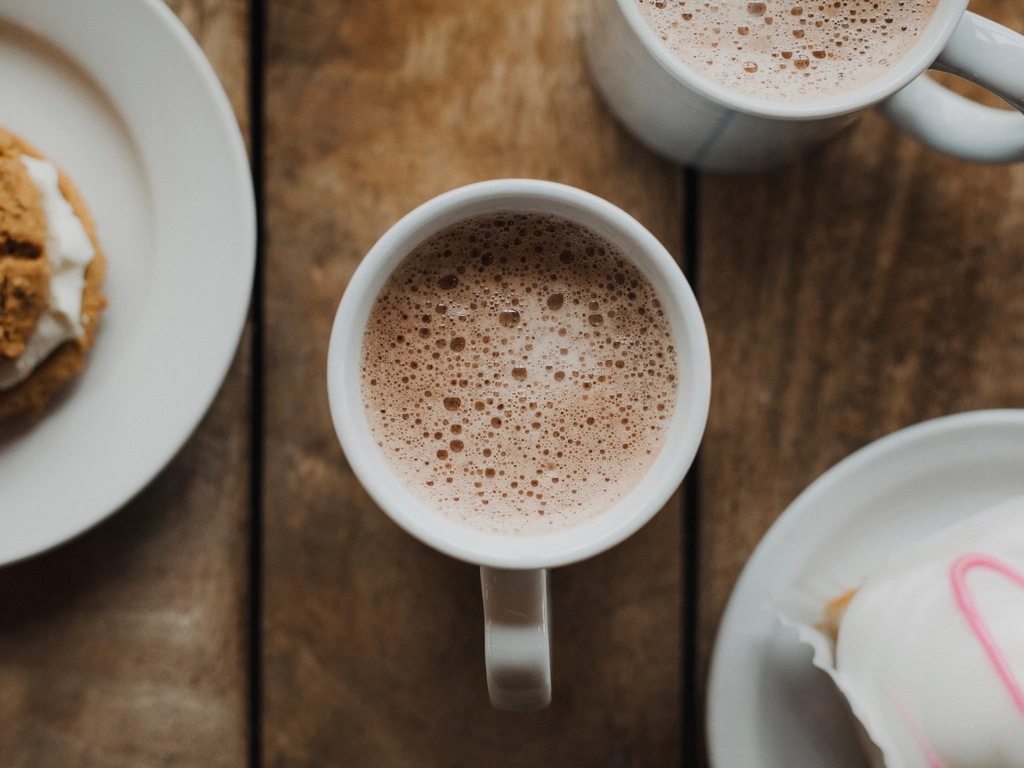
People with uncontrolled or borderline high blood pressure may need to limit caffeinated coffee. According to the experts in the article, one to two cups a day may be more appropriate in this situation, while blood pressure should also be monitored.
Sugar can change coffee’s health profile
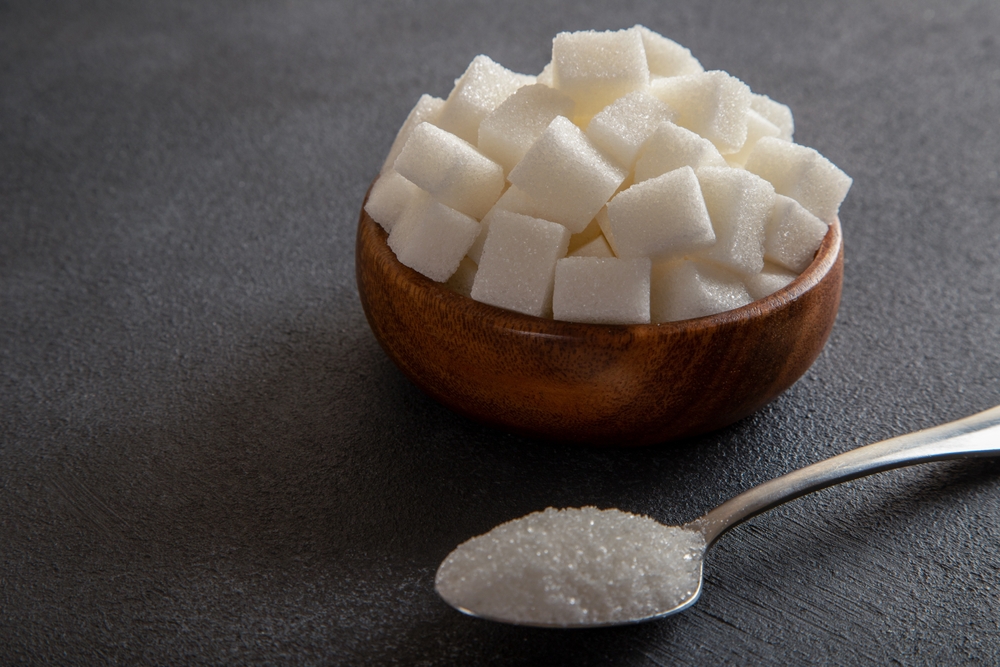
Coffee’s potential benefits do not necessarily apply to sweet coffee drinks with large amounts of added sugar. Some coffee beverages can contain very high amounts of sugar, so gradually cutting back on added sweeteners may be beneficial.
Cream can increase saturated fat intake

Cream and some coffee creamers can add saturated fat, which is associated with a higher risk of heart disease and, ultimately, kidney disease. Skim milk or low-fat milk can be used as alternatives.
The amount of potassium can matter

One cup of coffee, around 8 ounces, contains about 100 milligrams of potassium. This is suitable for many people with chronic kidney disease, but several cups a day can increase the total amount. People who need to limit potassium may therefore need to adjust their coffee intake.
Also read: New research links daytime naps to higher risk of early death
The right amount depends on the individual

For healthy adults, up to 400 milligrams of caffeine a day is generally considered an amount that can be consumed without negative health effects, equal to roughly four cups of coffee. For many people with chronic kidney disease, two to three standard cups may be appropriate, but individual needs depend on factors such as blood pressure, caffeine sensitivity and overall health.
Also read: Do you want to be happier? Copy these habits from people over 60
This article is made and published by Mie Hermansen, who may have used AI in the preparation.