
Vitamin D is one of the most widely used dietary supplements, but many people wonder how it affects the liver. Research suggests that standard daily doses do not harm the liver in healthy adults, and in some cases, supplementation may even provide benefits, reports Verywell Health.
Vitamin D is not linked to liver damage
Studies show that standard daily vitamin D supplements do not increase the risk of liver damage in healthy adults. The vitamin is generally considered safe when taken at recommended doses.
The liver plays a key role
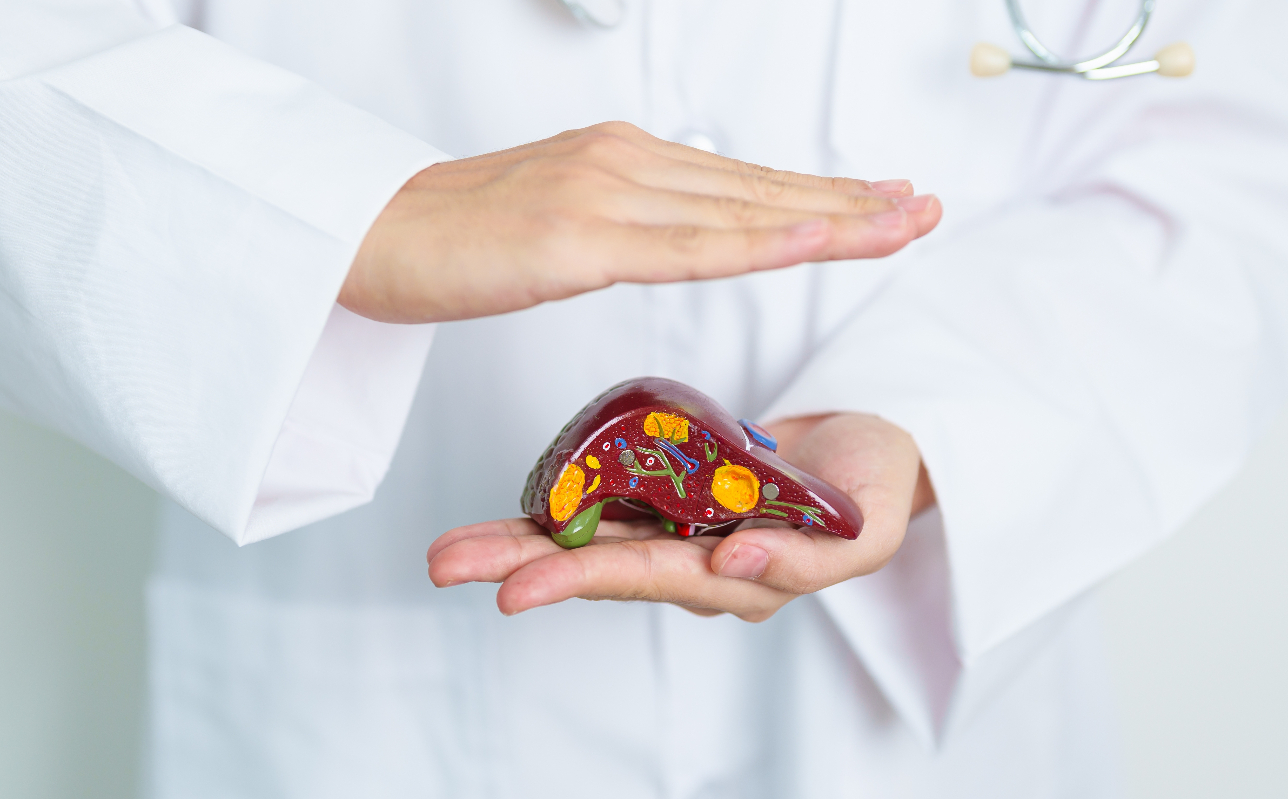
After vitamin D is absorbed from the digestive tract, it is transported to the liver, where it undergoes the first step of activation before the body can use it.
Blood tests measure vitamin D status

The form of vitamin D produced in the liver is called 25-hydroxyvitamin D. This is the form measured in blood tests to assess the body's vitamin D levels.
Also read: Study of 30,000 families finds parents’ genes can influence children without being inherited
The kidneys complete the activation

Once processed by the liver, vitamin D travels to the kidneys, where it is converted into its active form for use throughout the body.
The liver responds to vitamin D
Liver cells contain vitamin D receptors that play a role in immune function, inflammation, and normal cellular activity.
Deficiency is common in chronic liver disease

People with metabolic dysfunction associated steatotic liver disease often have low vitamin D levels. Deficiency has also been linked to more advanced liver disease and increased inflammation.
Supplements may improve liver markers

Some clinical studies have found that vitamin D supplementation can reduce levels of the liver enzymes ALT and AST, which are commonly used as indicators of liver irritation or injury.
Also read: New research links daytime naps to higher risk of early death
Research findings remain mixed

While some studies have reported improvements in inflammation, liver fat, and fibrosis, others have found little or no measurable benefit.
Not a treatment on its own

Although vitamin D may support liver health in some people, researchers do not consider supplementation a standalone treatment for liver disease.
High doses can cause problems
Vitamin D is a fat-soluble vitamin, meaning it can accumulate in the body over time. Very high doses taken for extended periods, particularly around 10,000 IU per day or more, may lead to toxicity.
Excess vitamin D mainly affects calcium levels

When vitamin D toxicity occurs, the main complication is usually elevated calcium levels in the blood rather than direct damage to the liver.
Also read: Do you want to be happier? Copy these habits from people over 60
Symptoms are caused by high calcium

High blood calcium levels may lead to nausea, vomiting, constipation, increased thirst, frequent urination, weakness, confusion, kidney stones, or kidney damage.
Direct liver injury is rare

Even in cases of vitamin D toxicity, direct damage to the liver is uncommon. Most complications are related to elevated calcium levels.
Supplements may be recommended for liver disease

Doctors may advise vitamin D supplementation for people with chronic liver disease if blood tests confirm a deficiency. The appropriate dose depends on the individual's health and treatment plan.
The right dose varies from person to person

Vitamin D requirements differ between individuals. A blood test is often the best way to determine whether supplementation is needed and whether the current dosage is appropriate.
Also read: When is the best time to drink your morning coffee? Research has the answer
Also read: How to make every day better, according to science
This article is made and published by Mie Hermansen, who may have used AI in the preparation.