
Cucumbers are a staple in many meals, but their effects on the body are often underestimated.
Behind their simple appearance lie several documented health benefits, according to Verywell Health.
Low calorie content

Cucumbers are low in calories, fat, and sodium, making them an ideal choice for a healthy diet.
Contains important nutrients
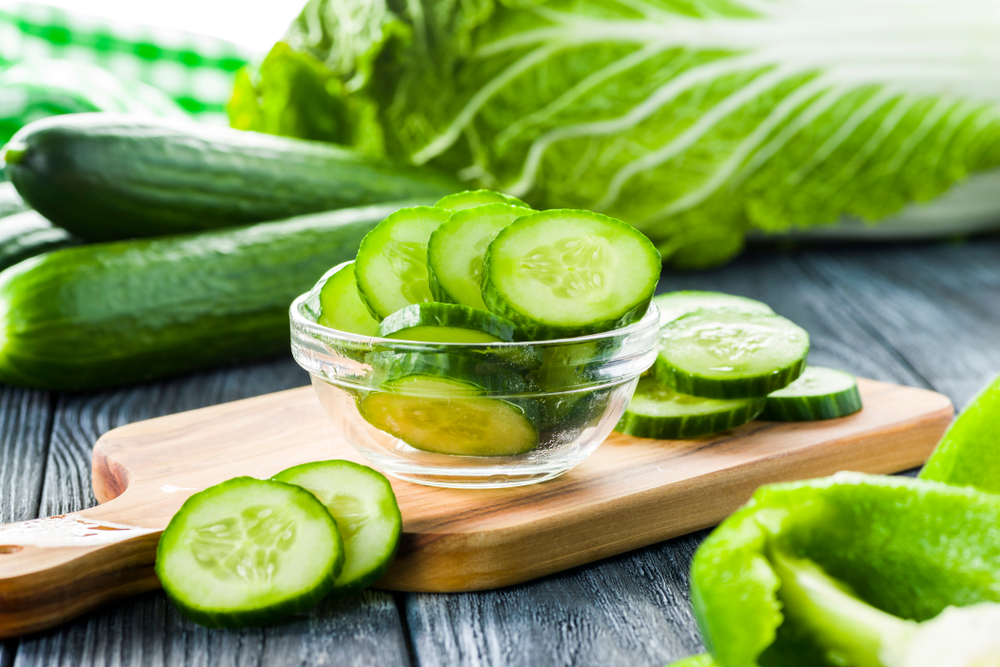
Although cucumbers consist primarily of water, they also contain potassium, vitamin C, and fiber.
Also read: Missing teeth could lead to weight gain, study finds
Helps with hydration

Cucumbers are made up of approximately 96 percent water, making them an effective supplement to the body’s fluid intake.
Supports bodily functions

Adequate hydration is essential for temperature regulation, nutrient transport, and overall bodily function.
Supports heart health

Flavonoids in cucumbers may benefit the heart. According to a study published in Molecules, these compounds may help prevent buildup in blood vessels and protect cells.
Helps regulate blood sugar
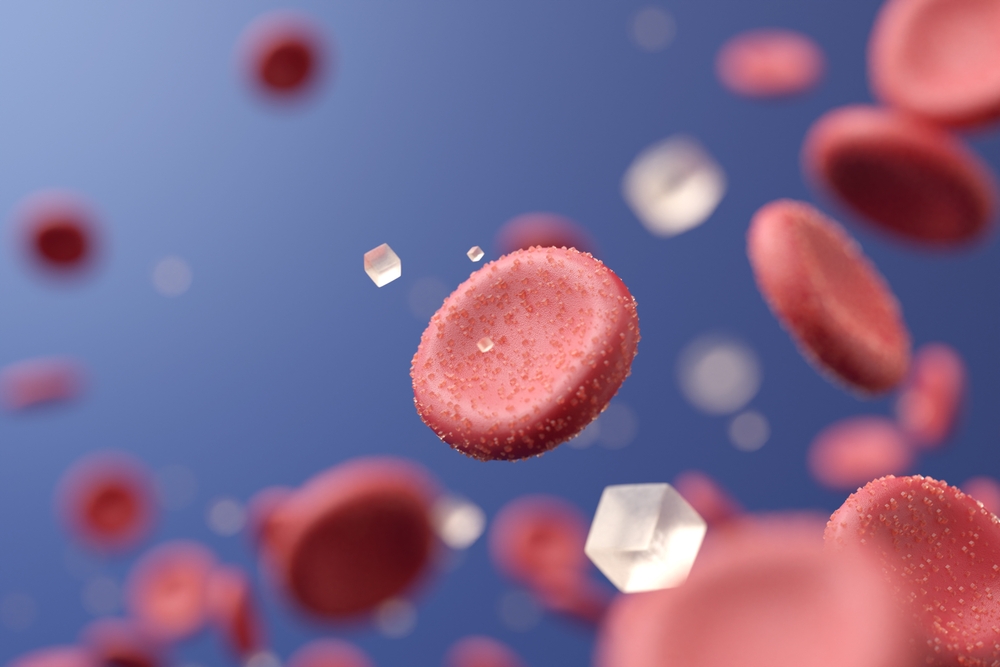
A study published in Bioimpacts shows that cucumbers may have a blood sugar-lowering effect. This may be relevant for people with diabetes.
Also read: Common cold medicines can cause unexpected side effects
Contributes to strong bones

Cucumbers contain vitamin K, which plays a key role in bone health.
According to a study published in the Journal of Osteoporosis, low levels of this vitamin may be associated with an increased risk of fractures.
Has anti-inflammatory properties

Cucumbers have anti-inflammatory properties, which may be linked to their effect on enzymes and cellular signaling.
Benefits the skin

Consuming cucumbers may have a positive effect on the skin.
Also read: No doubt guitarist Tom Dumont opens up about Parkinson’s – here are the early signs
A study published in the Journal of Preventive Medicine and Hygiene describes how they can have a soothing effect and reduce irritation and swelling.
May reduce cancer risk

Cucumbers contain lignans, which are plant compounds with antioxidant properties.
A study published in Molecules reports that research points to a possible link between lignans and lower mortality in certain types of cancer.
May cause digestive issues
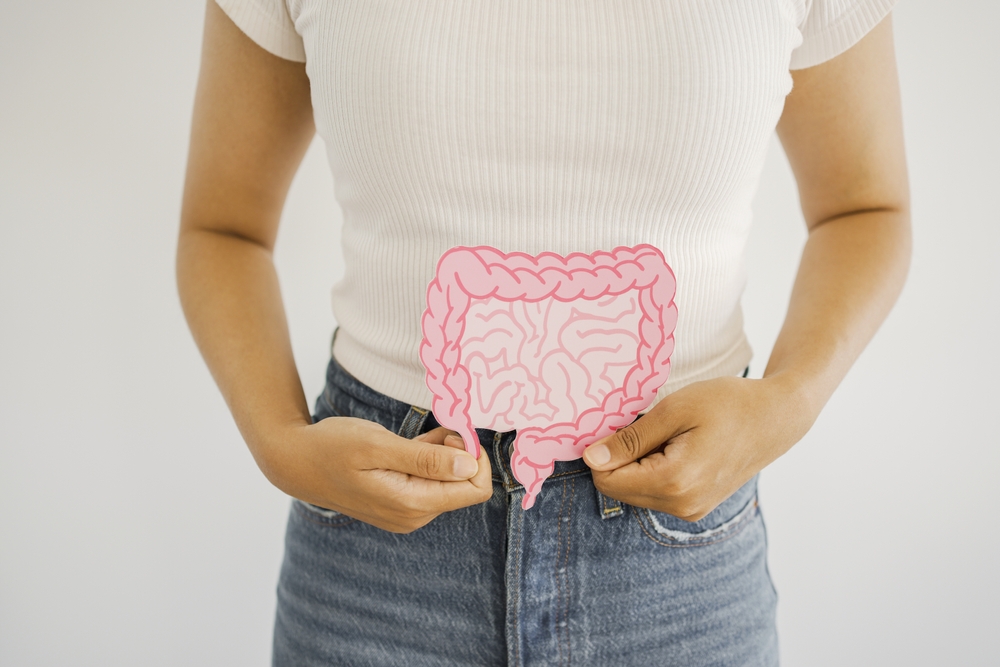
Some individuals may experience bloating or discomfort when consuming cucumbers. Verywell Health therefore recommends caution for those with sensitive digestion.
Also read: Cardiologist: These are the things I avoid after 6 PM
Requires attention when taking medication

The high vitamin K content may affect blood-thinning medication. According to Verywell Health, it is important to maintain a consistent intake.
May trigger allergies

People with pollen allergies may react to cucumbers due to cross-reactivity.
Sources: Verywell Health, Molecules, Bioimpacts, Journal of Osteoporosis, and Journal of Preventive Medicine and Hygiene.
Also read: Mascarpone is among the fattiest cheeses – here are healthier alternatives
This article is made and published by Ida-Marie Palm Varbæk, who may have used AI in the preparation.