
Drinking dark soda every day can put added strain on your kidneys in several ways and may increase the risk of kidney problems.
Dark cola contains ingredients such as phosphoric acid, sugar, and caffeine that may affect kidney health when consumed regularly and in large amounts.
An occasional cola, however, is unlikely to have a measurable effect on the kidneys of most healthy adults, reports Verywell Health.
Daily consumption can put extra strain on the kidneys

For healthy adults, a few servings of cola per week are unlikely to noticeably affect the kidneys. But when consumption becomes high and regular, several ingredients in cola can influence factors that are important for kidney health.
Also read: How well your 10-year-old can run may hint at their mental health at 40
Phosphoric acid can affect the kidneys

Dark colas contain phosphoric acid, which provides their tangy flavor and acts as a preservative. Unlike phosphorus naturally found in foods, phosphoric acid is quickly absorbed in the gut and can more readily raise phosphorus levels, particularly with frequent cola consumption.
High phosphorus levels can affect calcium

Phosphorus and calcium need to remain balanced for the body to function properly. When phosphorus levels rise, phosphorus can bind to calcium in the bloodstream, leaving less calcium available for the body to use.
The kidneys have to work harder

To restore the balance between phosphorus and calcium, the body releases parathyroid hormone, or PTH. This draws calcium from the bones and signals the kidneys to remove excess phosphorus through the urine. Regular cola consumption can therefore make the kidneys work harder to keep phosphorus levels under control.
Kidney disease may become worse

People with chronic kidney disease may be particularly vulnerable to elevated phosphorus levels. These can disrupt the balance of PTH and put additional stress on the kidneys, potentially contributing to faster progression of kidney disease.
Also read: 265,000 people studied: Cannabis linked to increased risk of violence
The risk of kidney stones may increase

Higher PTH levels cause more calcium to be released from the bones and passed into the urine. Increased levels of calcium and phosphorus in the urine can form crystals that may eventually develop into kidney stones.
Cola contains large amounts of added sugar

A regular serving of cola often contains between 30 and 40 grams of added sugar, typically in the form of high fructose corn syrup. Regular consumption at this level can contribute to weight gain and increase the risk of insulin resistance and type 2 diabetes.
Diabetes can damage the kidneys

Persistently high blood sugar can damage the kidneys' filtering units, known as glomeruli. This can contribute to diabetic nephropathy, a progressive condition that may eventually lead to kidney failure if it is not properly managed.
Caffeine can indirectly affect kidney health

Cola contains caffeine, which has a mild diuretic effect. Regular caffeine users often develop tolerance to this effect, but consuming large amounts of cola instead of water may contribute to chronic low level dehydration.
Also read: Adults are less likely to recover from depression or anxiety than they were a decade ago
Dehydration and high blood pressure can add to the risk

Chronic low level dehydration can increase the risk of kidney stones, particularly when combined with high phosphorus intake. Regularly consuming more than 600 milligrams of caffeine per day is also associated with an increased risk of high blood pressure, which can contribute to chronic kidney disease.
More than one sugary drink a day is linked to higher risk

Large observational studies have found that people who drink more than one sugar sweetened beverage per day have a 19 percent higher risk of chronic kidney disease. Artificially sweetened beverages such as diet cola have also been associated with a more modest increase of around 12 percent. These findings show an association rather than proving cause and effect.
Some people should be particularly careful
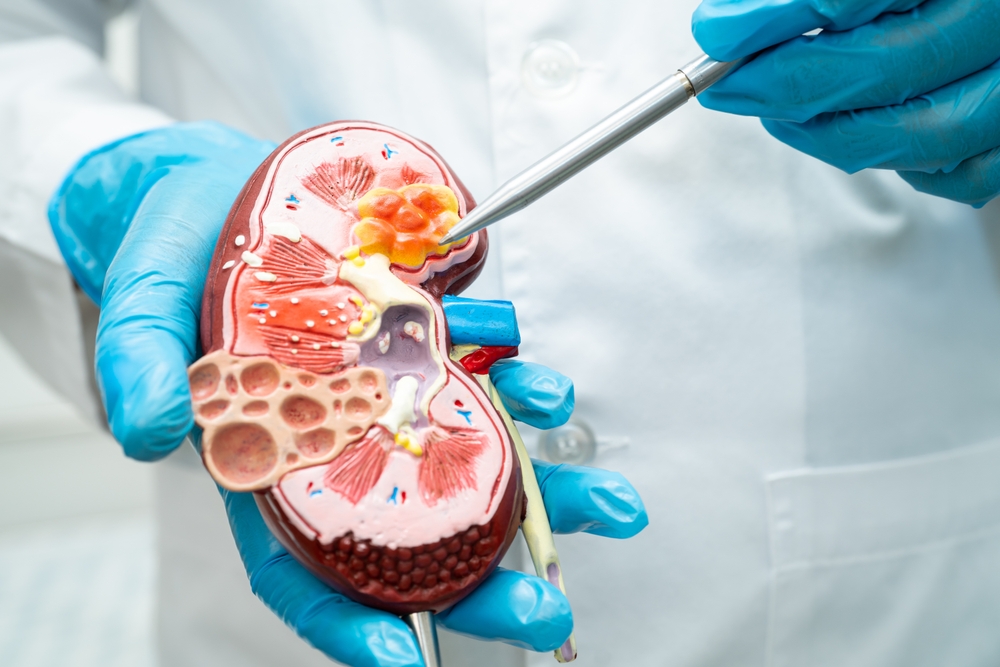
People with diabetes, chronic kidney disease, or a history of kidney stones may have particular reason to limit daily cola consumption. Alternatives mentioned in the article include still or sparkling water, unsweetened iced tea, unsweetened coconut water, and water infused with fruit or cucumber.
Also read: How much protein do you actually need per day? The answer changes with age
Also read: How to get more exercise into your daily routine
This article is made and published by Mie Hermansen, who may have used AI in the preparation.