
Cantaloupe is more than just a juicy summer fruit, as it contains several nutrients that can play an important role in the body, reports Health.
A fruit with plenty of water

Around 90 percent of cantaloupe is water. Eating the fruit can therefore contribute to your overall daily fluid intake and provide an additional source of hydration through your diet.
A notable source of vitamin C
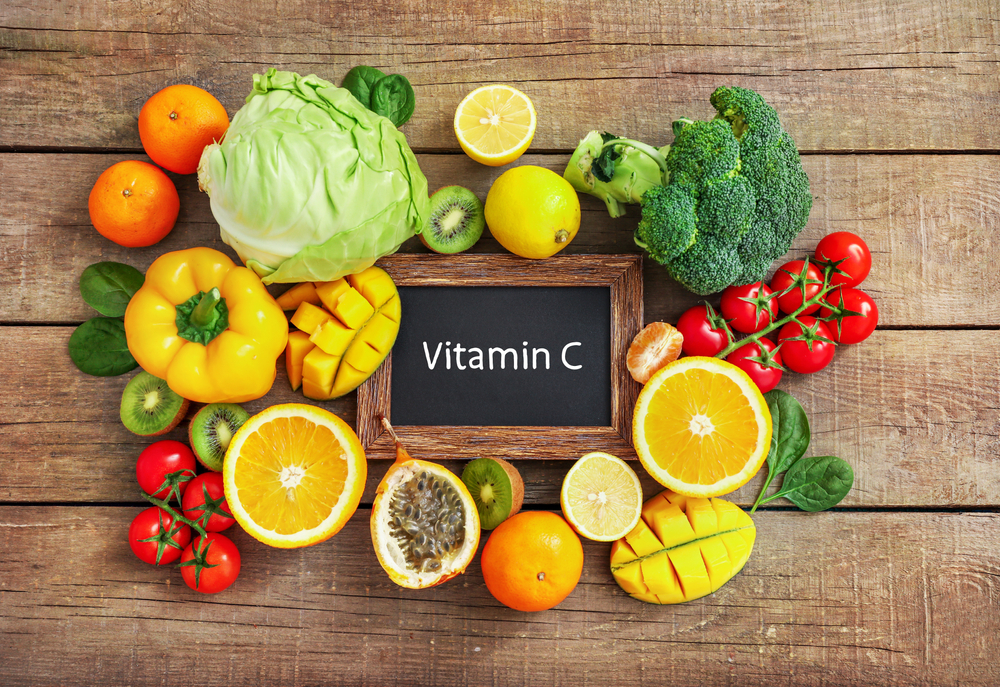
One cup of cantaloupe provides 58.7 milligrams of vitamin C, which is around 65 percent of the recommended Daily Value. Vitamin C plays a role in several normal functions of the immune system.
Vitamin A has several functions

One cup of cantaloupe contains about 270 micrograms of vitamin A, equivalent to around 30 percent of the Daily Value. Among its functions, vitamin A helps the body maintain protective barriers against pathogens.
Also read: How eating lemons every day can affect your kidneys, heart and blood pressure
Potassium for muscles and nerves

There are about 427 milligrams of potassium in one cup of cantaloupe. Potassium is an electrolyte involved in maintaining fluid balance and also plays a role in muscle contraction and nerve function.
The orange color comes with beta carotene

Beta carotene is one of the plant compounds found in cantaloupe. The body can convert it into vitamin A, which is essential for normal vision.
Several compounds may benefit the eyes

Cantaloupe also contains lutein and zeaxanthin, which may help protect the eyes against oxidative damage. Diets high in carotenoid pigments have also been associated with a lower risk of age related macular degeneration.
Antioxidants come from several sources

Vitamin C and carotenoids are not the only antioxidants found in cantaloupe. The fruit also contains plant compounds such as gallic acid, rutin, and quercetin.
Also read: Fatty liver disease may affect 1 in 3 adults: 7 subtle clues doctors want you to know
Cells get protection against free radicals

Antioxidants help combat free radicals and can therefore protect cells against damage. Excessive amounts of free radicals can be harmful to health.
There is more than vitamins in the melon

One cup of cubed cantaloupe provides about 54.4 calories, 13.1 grams of carbohydrates, 1.34 grams of protein, and 1.44 grams of fiber. It also contains 33.6 micrograms of folate and smaller amounts of magnesium, iron, vitamin K, and vitamin B6.
Overall fruit intake matters too
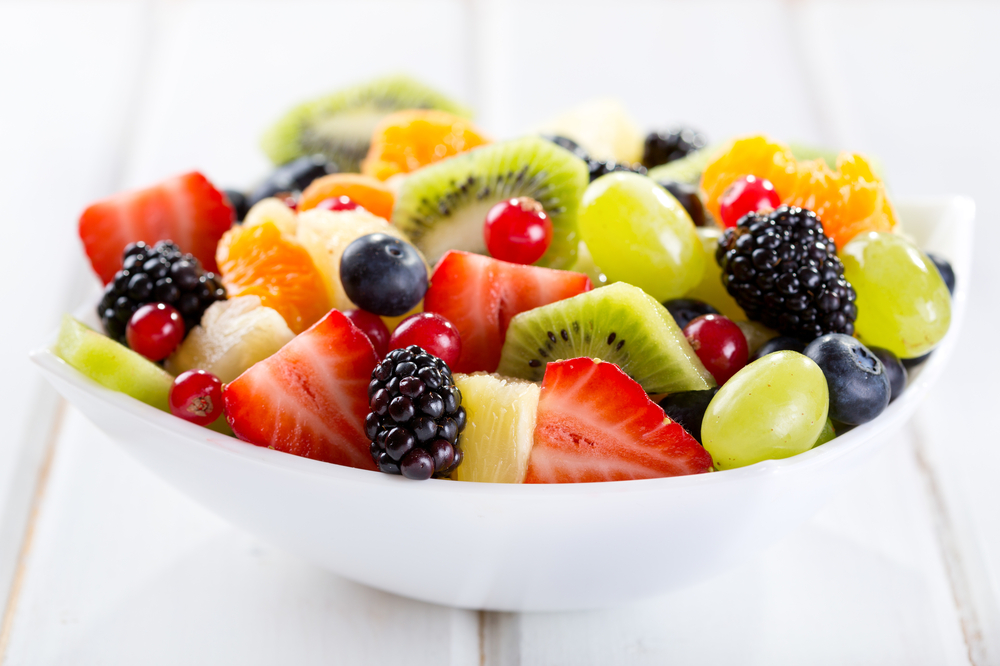
Research specifically examining the health effects of cantaloupe is limited. However, research on fruit consumption in general shows that getting enough fruit may help lower the risk of heart disease, obesity, and certain cancers.
Pay attention to the rind

Cantaloupe's rough, netted surface and low acidity can make the fruit more susceptible to Salmonella contamination. The rind should therefore be thoroughly rinsed under running water and scrubbed with a clean produce brush before cutting. Prepared cantaloupe should be refrigerated and discarded if it has been left at room temperature for more than two hours.
Also read: 8 warning signs of ulcerative colitis most people confuse with IBS
From salads to sorbet

Cantaloupe does not have to be eaten on its own. It can be added to salads, smoothies, and protein shakes or served with cottage cheese. It also works as a topping for oatmeal and chia pudding, can be blended into sorbet, or paired with prosciutto. Roasting the fruit can bring out more of its natural sweetness.
Also read: 7 warning signs of frozen shoulder most people push through for months
This article is made and published by Mie Hermansen, who may have used AI in the preparation.