
Several days of extreme heat can put significant strain on your body and make it harder to maintain a normal body temperature. If your body can no longer get rid of excess heat, it can develop into a serious medical emergency, reports Weather.
Heat stroke is the biggest danger

Heat stroke is a life threatening condition. According to the physician, untreated heat stroke can be fatal, making immediate medical attention essential if it is suspected.
Confusion is an important warning sign

If you suddenly struggle to concentrate or become unusually confused, it may be a sign of heat stroke. You should get out of the heat as quickly as possible.
Move to a cooler place immediately
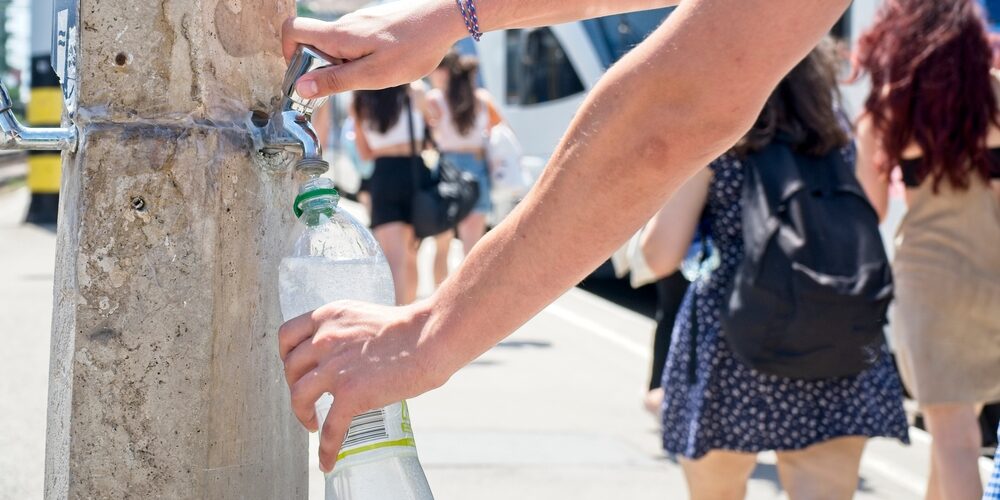
If you begin to overheat, the first step is to find an air conditioned space. If that is not possible, sitting inside a car with working air conditioning is a better option than remaining outdoors.
Also read: Millions take blood pressure medication – study points to possible heart risk
Water can help cool the body

If simply getting out of the heat is not enough, immersing your body in water may help lower your body temperature more effectively.
Stopping sweating is a serious warning
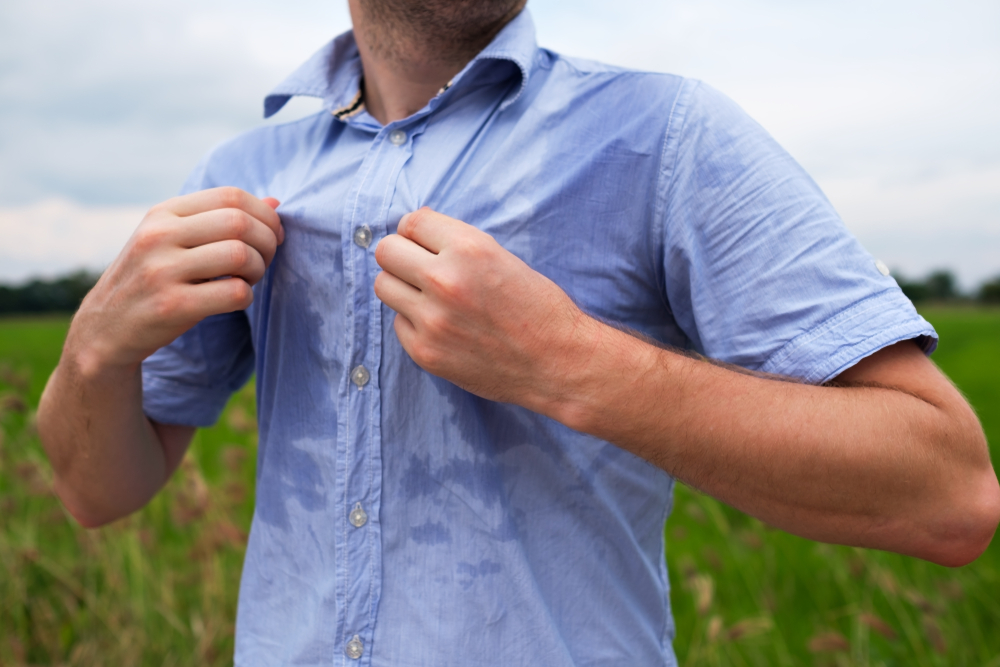
If you are extremely hot and suddenly stop sweating, it could signal that heat stroke is developing and should be treated as an emergency.
Your body first tries to get rid of excess heat
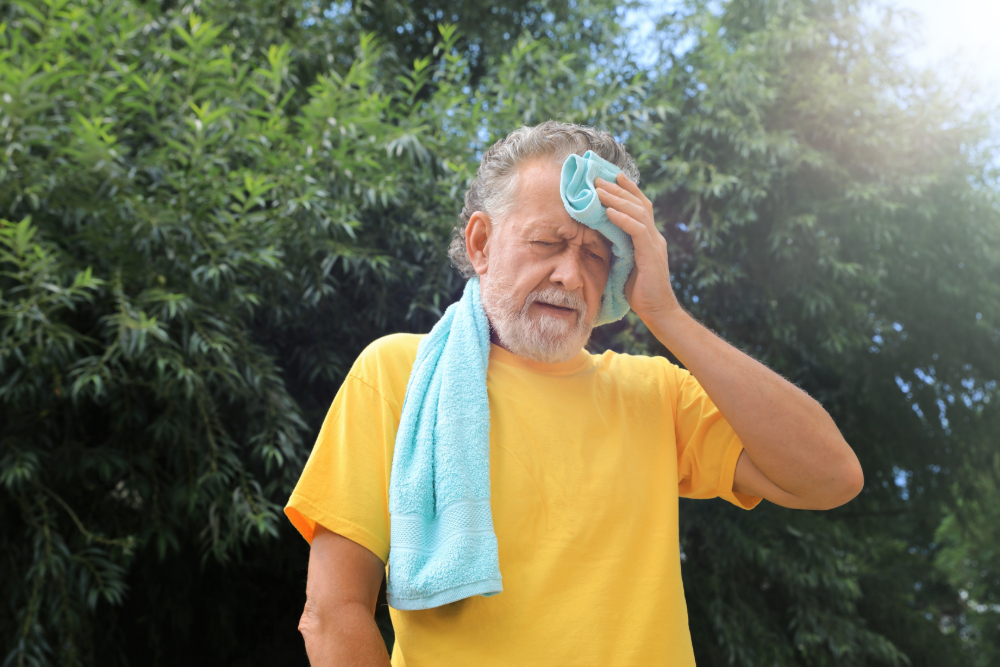
As your body temperature rises, your heart rate increases slightly and the blood vessels near the skin widen to help release heat.
Blood is redirected toward the skin

Increasing blood flow to the skin allows more heat to escape from the body's core, helping protect vital organs from overheating.
Also read: Changes in your dog’s gait may reveal early dementia
Sweating is one of the body's main cooling systems
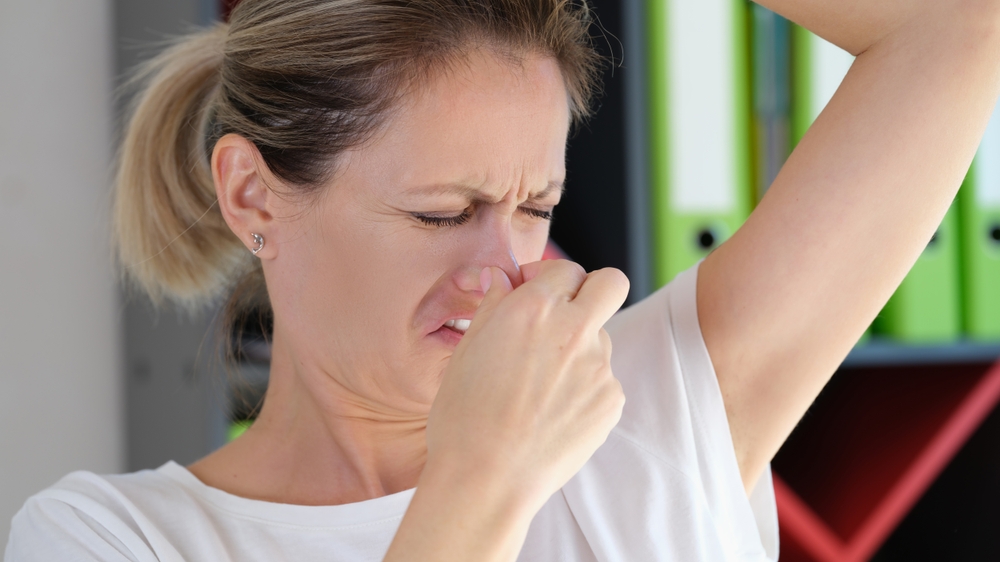
Sweat is one of the first tools your body uses to regulate its temperature. As it evaporates, it helps cool the skin and reduce body heat.
Dehydration can make things worse
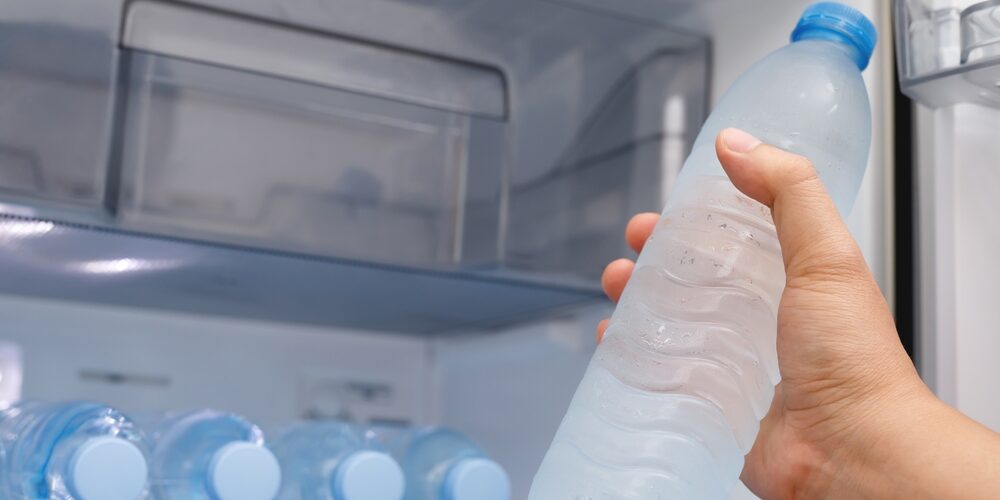
After several hours in the heat, your body may lose more fluids than you replace, increasing the risk of dehydration and electrolyte imbalance.
Blood flow is redistributed

When the body becomes extremely hot, it may reduce blood flow to some organs in order to direct more blood toward the skin and improve heat loss.
High temperatures can last around the clock

During prolonged periods of extreme heat, temperatures can remain high during both the day and the night. High humidity also makes it more difficult for sweat to evaporate, reducing the body's ability to cool itself.
Also read: How to keep children safe from common Fourth of July burn injuries
Also read: How bananas may help relieve constipation
This article is made and published by Mie Hermansen, who may have used AI in the preparation.