
It takes just a few minutes in front of a screen for children to start eating more than they need.
New research reveals that even ads that show no actual food can trigger kids to snack more.
Researchers are now warning that junk food marketing is more sneaky and powerful than many people realize.
Children React Strongly to Short Ad Exposure
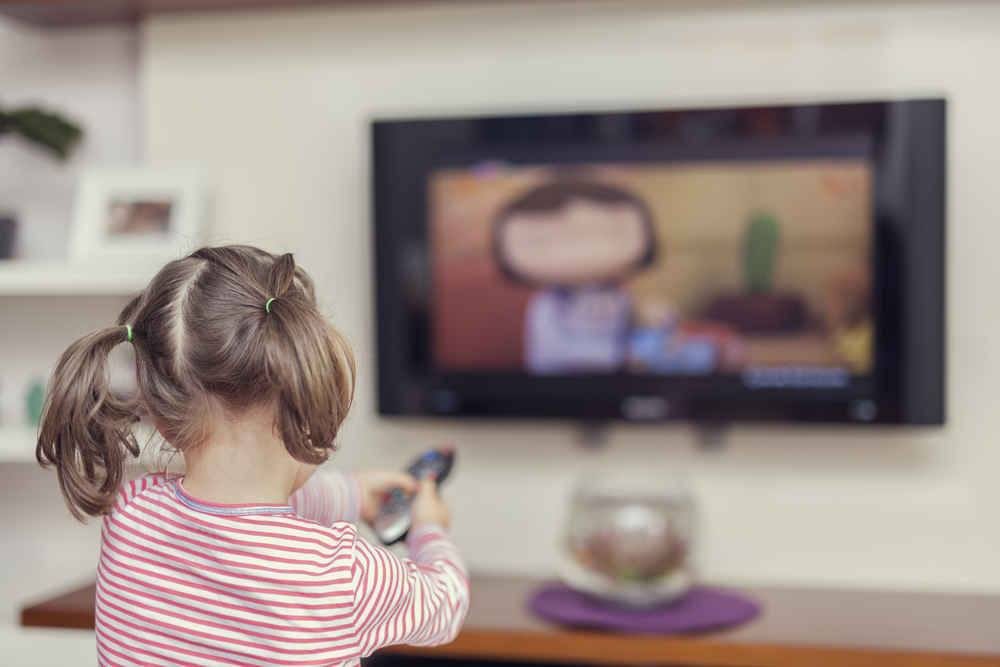
The study found that children aged 7 to 15 consumed an average of 130 extra calories during the day after just five minutes of exposure to unhealthy food advertising.
All Types of Media Trigger Appetite

Whether the ads appeared on TV, social media, radio, or street billboards, the result was the same: kids ate more afterward.
Logos Are as Powerful as Food Images

One of the most surprising findings was that brand-only ads — showing only logos and colors without any food images — were just as effective as product ads in influencing children’s eating habits.
Kids Aged 7 to 15 Are Especially Vulnerable

This age group is particularly susceptible to visual and audio marketing, as their ability to resist advertising is not yet fully developed.
Children With Higher BMI Ate Even More

Children with higher body weight responded even more strongly to the ads, consuming more calories than their peers with lower BMI.
Ads Increased Both Snacking and Meal Portions

The impact wasn’t limited to snacks. Children also ate significantly more at lunchtime after seeing junk food ads.
Social Background Didn’t Affect the Impact

Regardless of the children’s social status or area of residence, the ads had the same effect on all kids.
Audio Ads Also Have a Strong Effect

Even sound-only ads on podcasts and radio prompted children to eat more, raising concerns about often-overlooked audio marketing.
Researchers Call for Global Restrictions

Based on the findings, researchers are urging for stricter global regulations on advertising targeting children, including brand-only ads without food imagery.
Marketing May Be a Hidden Driver of Childhood Obesity

The study highlights that food marketing — even in subtle forms — can be a hidden contributor to weight gain in children and adolescents.
This article is based on information from News Medical
This article is made and published by Mie Hermansen, who may have used AI in the preparation.