
New research suggests that even short periods of psychological stress can trigger measurable changes in your blood within minutes. Scientists found that stress may make blood more likely to form clots, reports The Conversation.
Stress affects more than the mind

Psychological stress is often seen as a mental challenge, but the body responds at the same time through a series of biochemical processes that can be measured in the blood.
Free radicals rise quickly

Researchers found that levels of free radicals increased within minutes after participants were exposed to psychological stress.
Blood changes its properties

Acute stress made the blood more prone to clotting because it altered the structure of forming blood clots.
Also read: Cardiologist's advice: How to get through a heatwave
Long term stress is a known risk
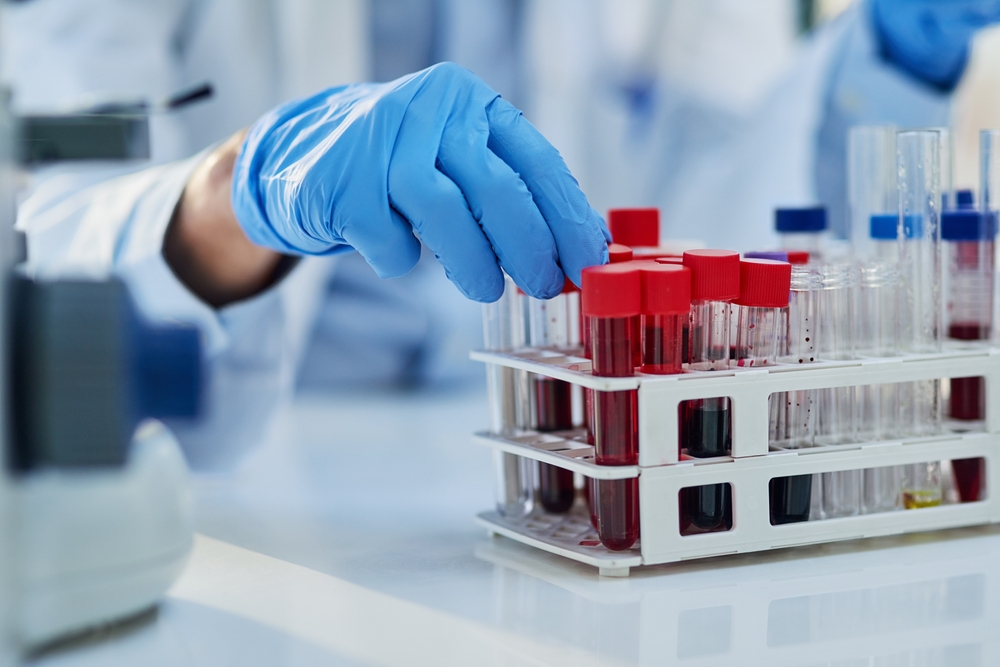
Previous research has shown that chronic stress is linked to a higher risk of cardiovascular disease.
Oxidative stress may be the explanation

The researchers believe that oxidative stress may be the mechanism responsible for triggering these changes in the blood.
Eight men took part in the study
The study included eight healthy men between the ages of 18 and 30, who participated in two laboratory sessions.
Participants faced a stressful challenge
They were asked to deliver a speech in front of a panel of judges before completing a demanding mental arithmetic task.
Also read: Do school mobile phone bans work? New data provides the first answers
Blood samples were compared
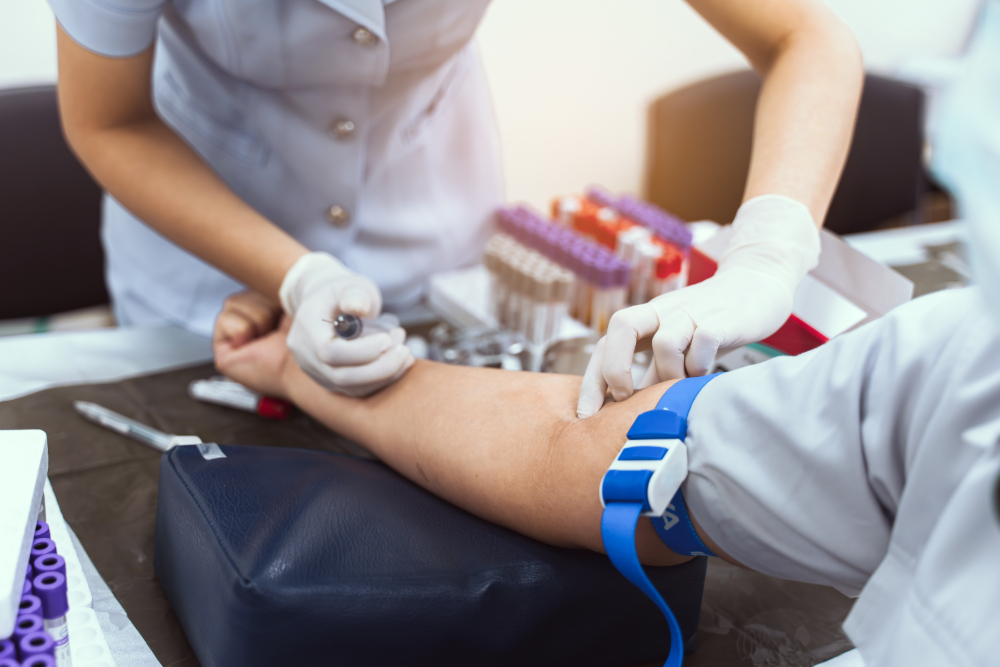
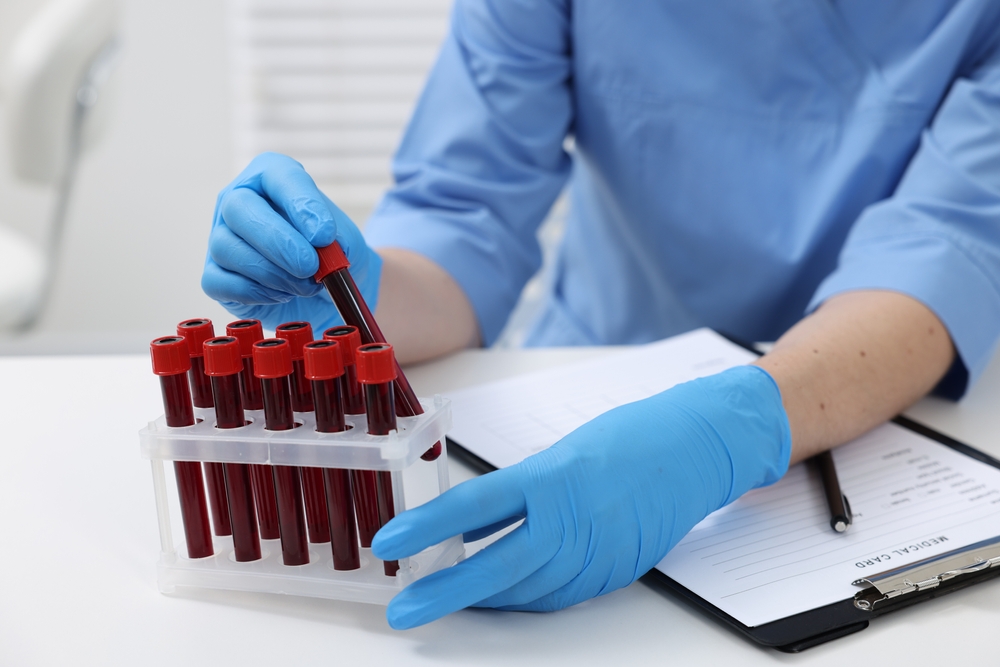
Researchers collected blood samples before and after both sessions to examine how stress affected the blood.
Blood clots became denser
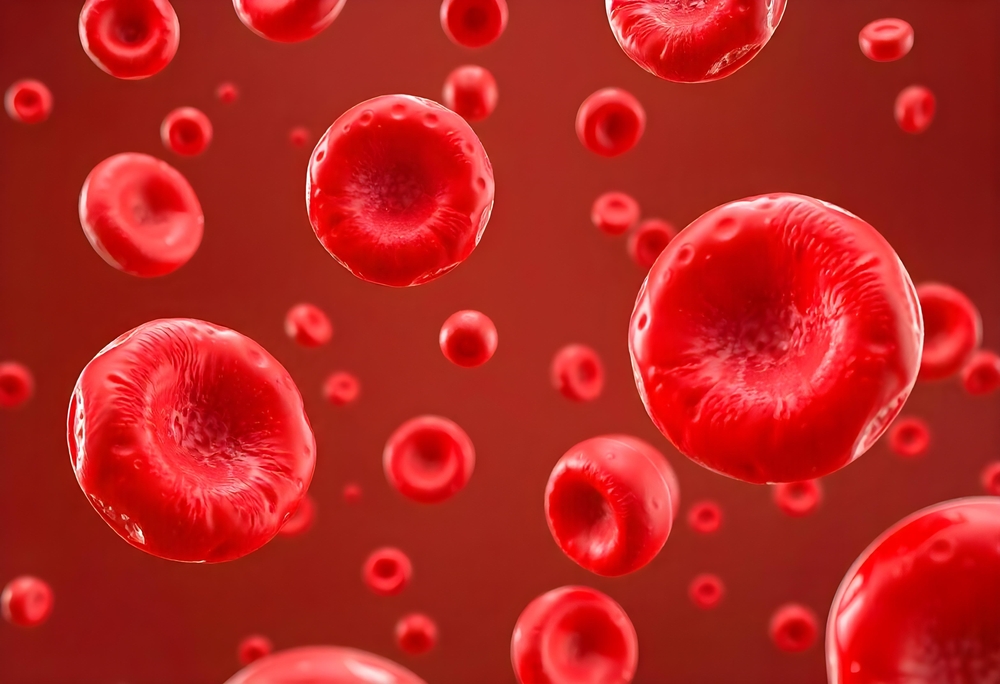
After the stress test, blood clots were larger and more tightly packed with fibrin fibres.
Blood thickness did not change

The study found no evidence that stress made the blood more viscous or thicker.
More research is needed

The researchers emphasize that larger studies involving more participants and different population groups are needed.
Also read: FDA-approved drug shows promise against liver cancer
The findings may lead to new treatments

Future research could investigate whether targeting the biochemical processes behind stress may help reduce the risk of cardiovascular disease.
Also read: How chia seeds can affect your blood sugar if you eat them regularly
This article is made and published by Mie Hermansen, who may have used AI in the preparation.