
Reading can give children a chance to relax and escape into another world.
At the same time, books can strengthen their language skills and create enjoyable moments for the whole family, according to Healthy Children.
Let all types of reading count

What your child reads is not necessarily the most important thing. Fiction, biographies, magazines, comic books and cookbooks can all help spark an interest in reading.
Keep books within easy reach

When books are visible and easy to access at home, your child may be more likely to spontaneously pick up a book and read, even if only for a few minutes.
Also read: These teenagers most likely to develop an eating disorder
Create a cosy reading corner

Set aside an area in your home specifically for reading. Blankets, cushions, a beanbag and light from a window or lamp can help make the space feel cosy and inviting.
Take books with you

Reading does not have to take place only at home. Bring books along on car journeys or while waiting at the doctor's, for example. They can also provide an alternative to a tablet or smartphone.
Read the same books as your child

Show an interest in what your child is reading. By keeping up with your child's interests and the books they read, you will also have something to talk about together.
Give books as gifts
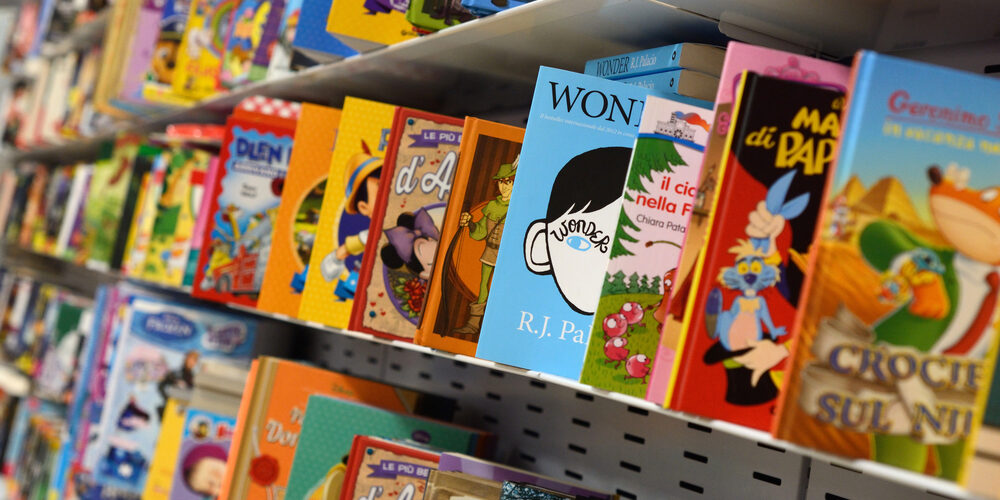
Books can make personal gifts for birthdays and holidays.
Also read: Secondhand smoke killed 1.66 million people last year: Here's what it does to the heart
Friends and family can write a message inside the book, giving your child a keepsake that can be treasured for many years.
Read together before bedtime

A book before bedtime can give the family some quality time together after a long day. When you read the story aloud, you can talk about the plot and guess what might happen next.
Visit the library
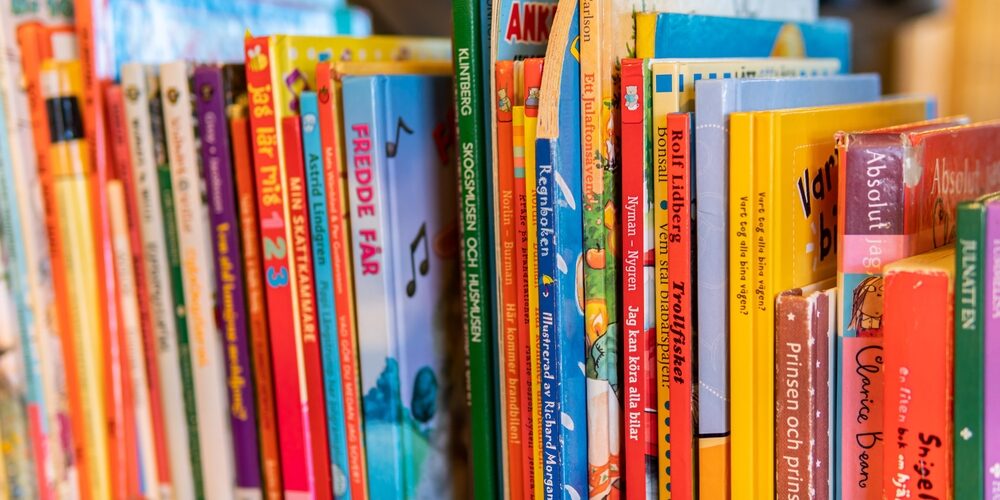
A library card can provide access to a wide selection of books.
Many libraries also offer reading activities, games and other activities for children, including during school holidays.
Also read: Do fish oil supplements actually work? Here's what the evidence says
Let your child read aloud to you

Once your child reaches school age, you can sometimes switch roles. Instead of reading aloud yourself, give your child the opportunity to read a book to you.
Read with friends
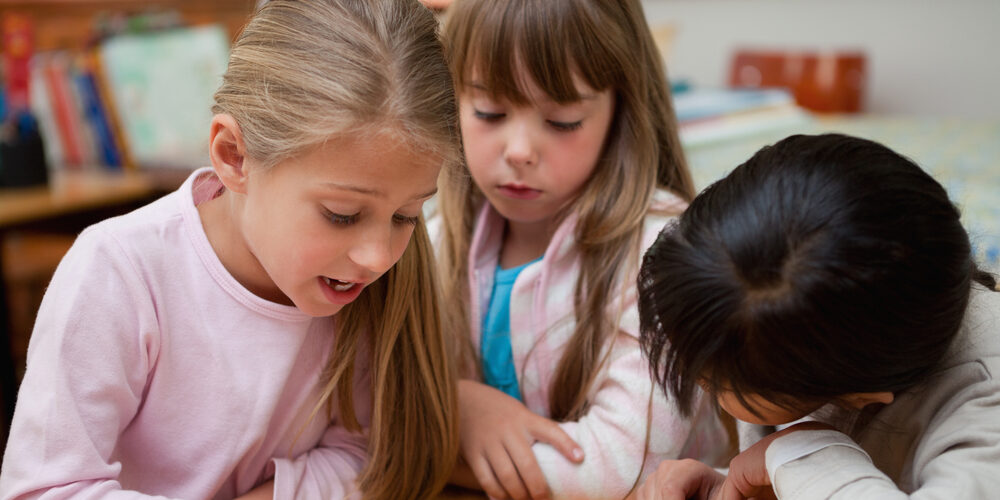
A book club with friends can turn reading into a social activity. Children can talk about their favourite characters, share different perspectives and discuss how the story could have ended differently.
Show your own enjoyment of reading

Children notice the habits of the adults around them. If they often see their parents reading, they may be more inclined to pick up a book themselves.
Keep reading together
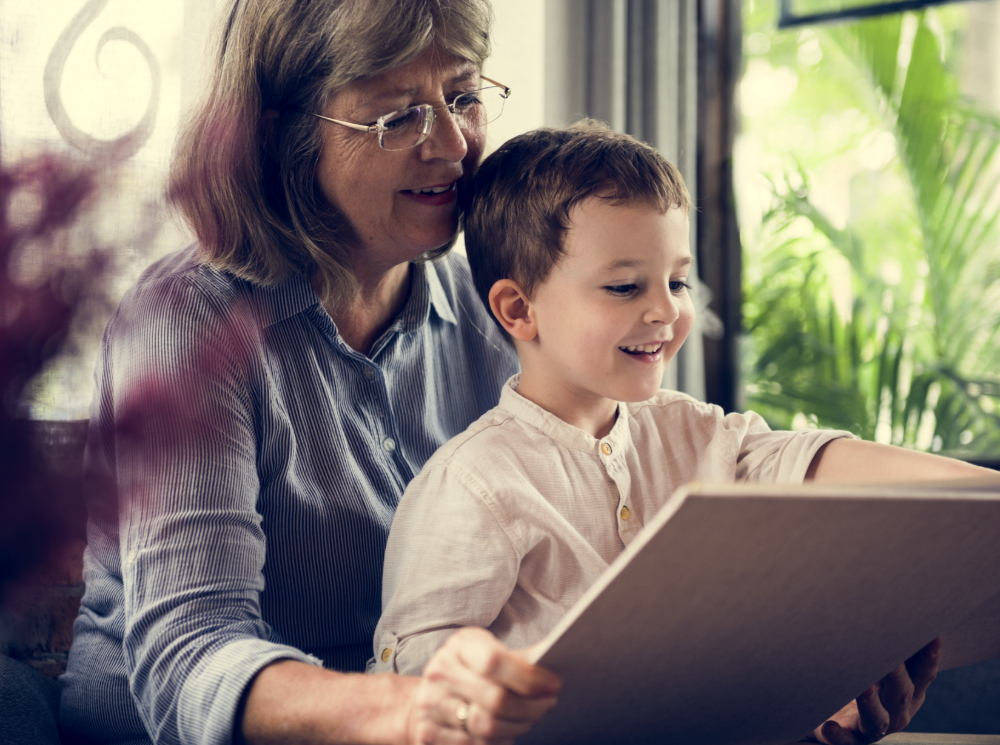
Reading together does not have to stop once your child has learned to read independently.
Also read: 23 dead as West Nile spreads through 40 US states: the 7 symptoms to watch for
By continuing to read with and to your child, books can help build strong connections throughout childhood.
Also read: How drinking beet juice regularly may affect your blood pressure
This article is made and published by Ida-Marie Palm Varbæk, who may have used AI in the preparation.