
Osteoarthritis affects many people at some point in life, but fortunately, there are ways to manage it.
From early symptoms to treatment options – here’s what you need to know to live as comfortably as possible with osteoarthritis.
What Is Osteoarthritis?
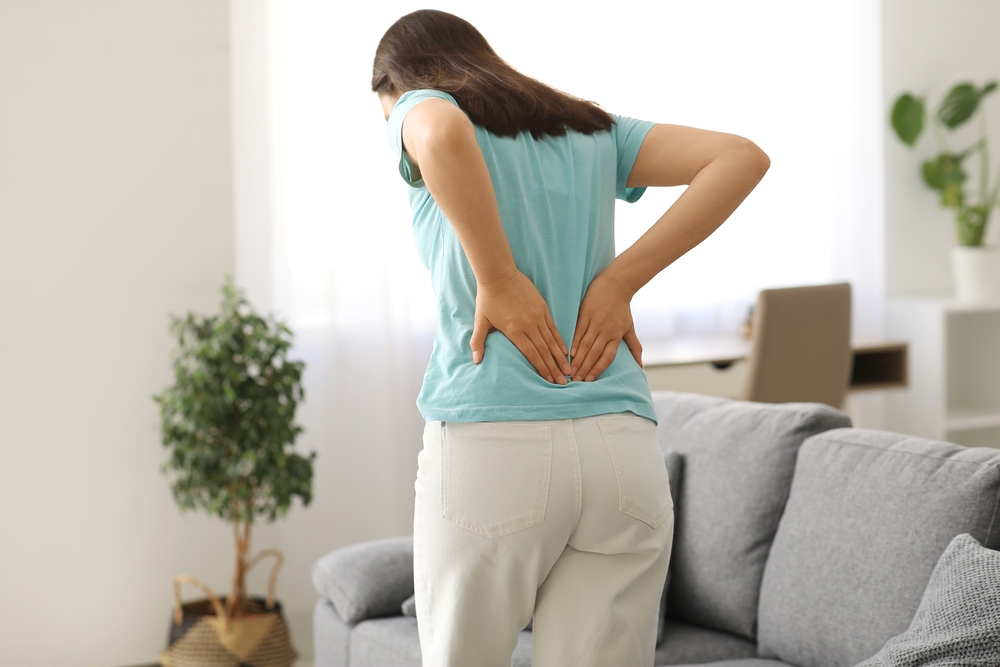
Osteoarthritis is a joint disease where the cartilage gradually breaks down, leading to pain, swelling, and reduced mobility in the affected joints.
How Does Osteoarthritis Feel?

Common symptoms include tenderness, stiffness, joint cracking, and swelling. Pain is often worse after inactivity and can return with overuse.
The Difference Between Osteoarthritis and Rheumatoid Arthritis
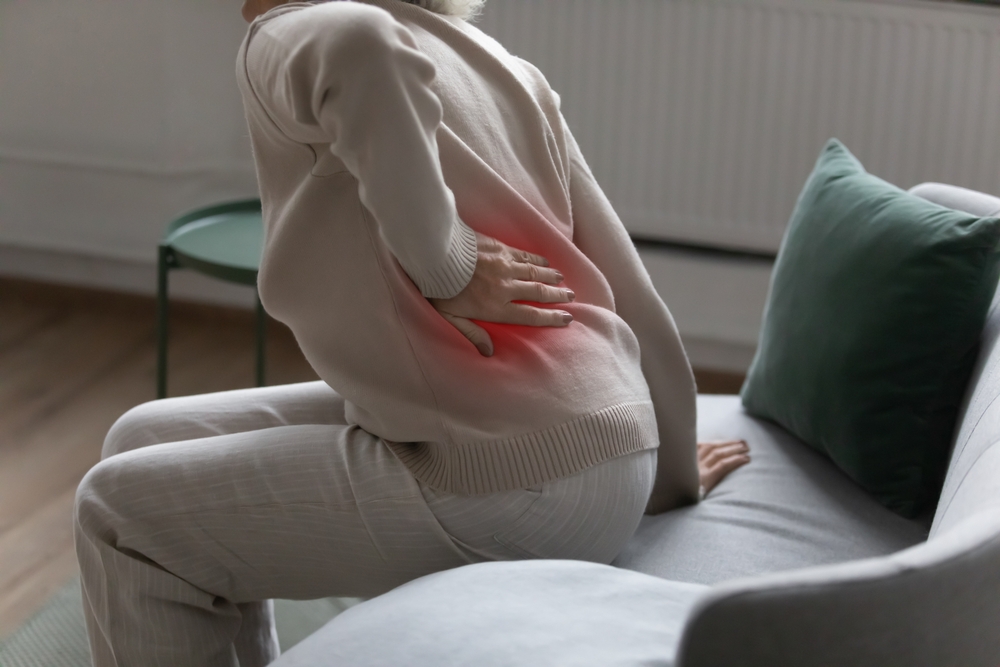
Osteoarthritis is caused by cartilage wear and tear, while rheumatoid arthritis is an autoimmune disease where the immune system mistakenly attacks the joints.
Why Does Osteoarthritis Hurt?

Cartilage itself has no pain nerves, but when it deteriorates, inflammation, swelling, and irritation in the joints can cause discomfort.
The Most Commonly Affected Areas
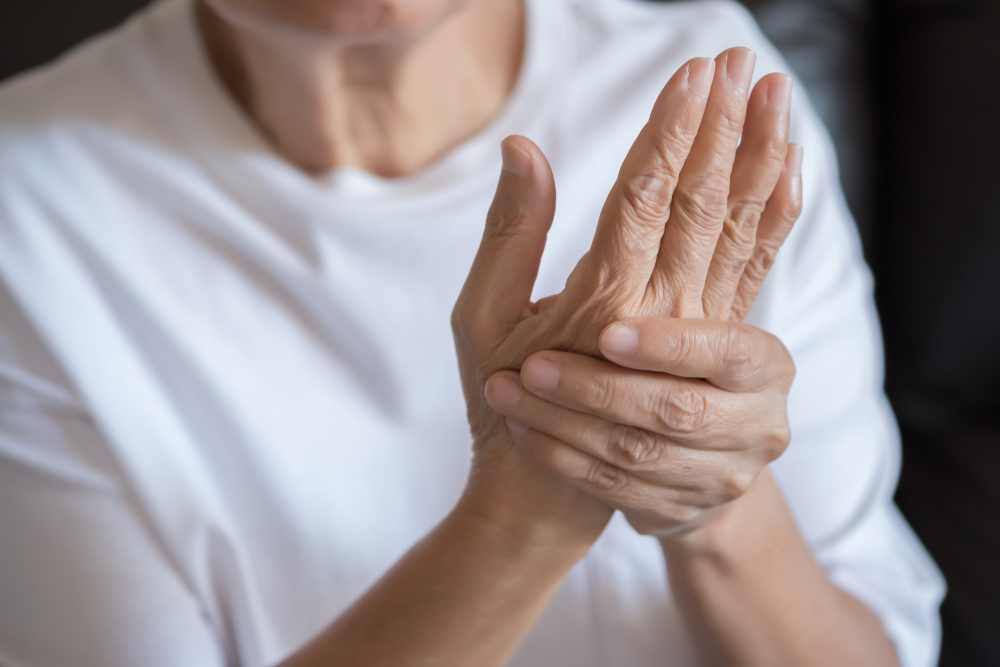
Osteoarthritis most often affects the knees, hips, fingers, neck, and back. Risk factors include obesity, genetics, and previous injuries.
Who Gets Osteoarthritis?
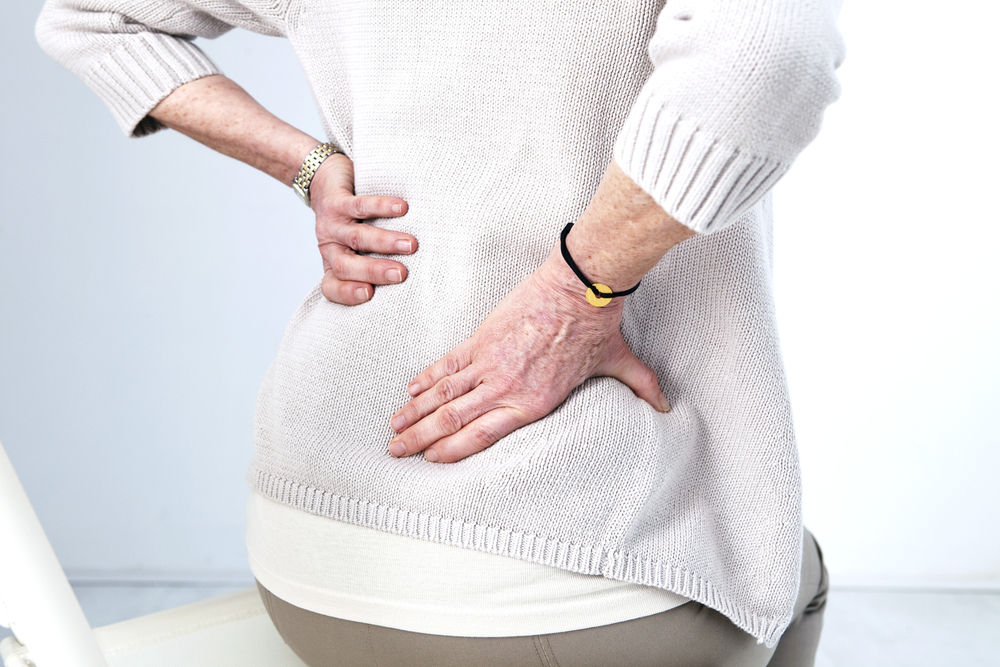
Anyone can develop osteoarthritis, but it becomes more common with age. Women have a higher risk than men, particularly for osteoarthritis in the knees and fingers.
What Can You Do?
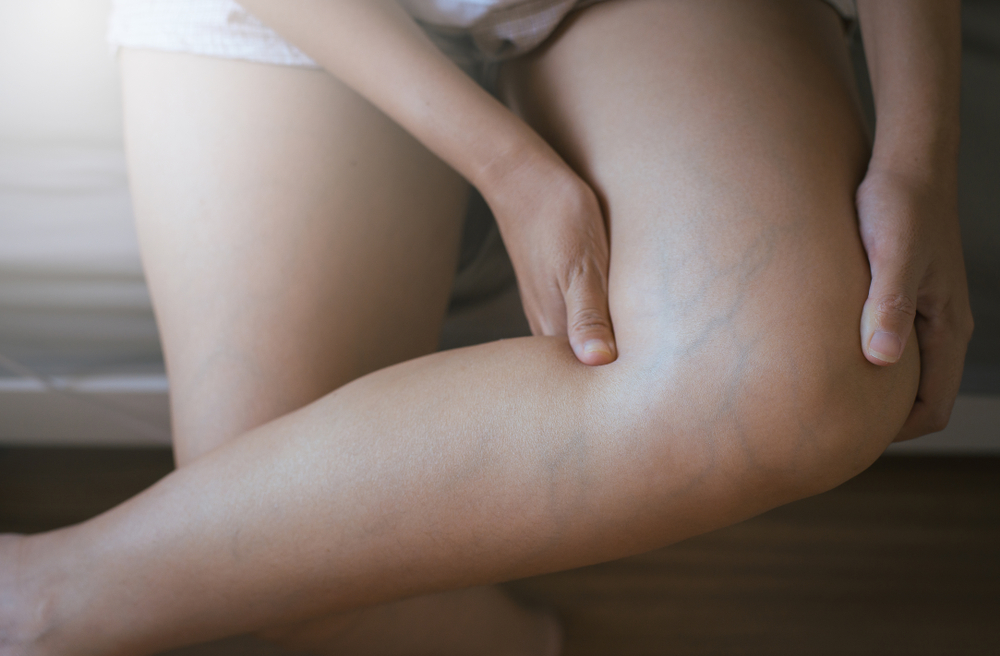
Regular exercise, maintaining a healthy weight, and eating a balanced diet can help reduce pain and improve your quality of life.
Is There a Specific Diet for Osteoarthritis?

There is no single diet that cures osteoarthritis, but foods such as fish, vegetables, whole grains, and healthy fats may have a positive impact.
Treatment Options

Physical therapy, pain relief medication, corticosteroid injections, natural supplements, and in severe cases, surgery can help manage pain.
How Much Pain Is Acceptable During Exercise?

Some pain during exercise is normal, but it should subside within a few hours. If it doesn’t, you may need to adjust your workout routine.
This article is based on information from I FORM
This article is made and published by Mie Hermansen, who may have used AI in the preparation.