
A new statement from the American Heart Association explains, according to Medical News Today, how lifestyle, environmental factors, and social conditions can influence brain health throughout life.
The organization also highlights several measures that may help reduce the risk of dementia and stroke.
Brain health is shaped throughout life
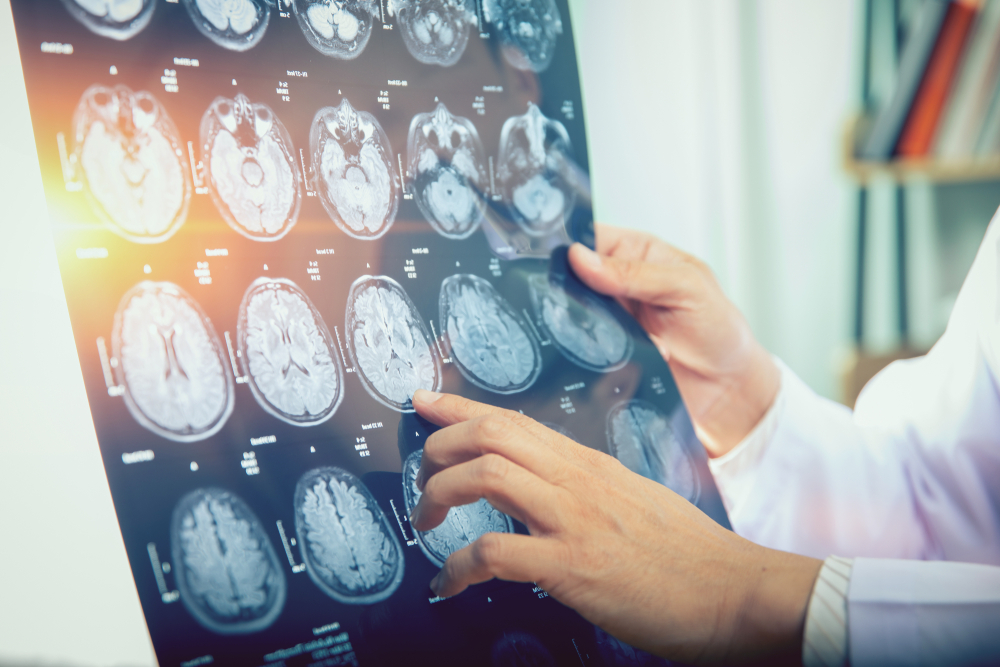
The American Heart Association emphasizes that brain health is not determined solely by age or genetics.
Physical and mental health, sleep, lifestyle, environmental factors, and access to healthcare all play a role.
Also read: Expert: Consistency matters more than intense exercise
The number of older adults is growing significantly

Globally, the number of people over the age of 65 is expected to exceed 1.5 billion by 2050.
As a result, preserving brain function and mental sharpness later in life is becoming increasingly important.
Early life experiences may matter later on

According to the American Heart Association, experiences early in life can affect the brain many years later.
This includes infections and adverse childhood experiences.
Also read: Cinnamon compound could help fight antibiotic resistance
Socioeconomic conditions affect the brain

The American Heart Association points out that factors such as financial conditions, geographic location, and access to resources may influence brain health.
Chronic diseases increase the risk

Conditions such as high blood pressure, diabetes, high cholesterol, and obesity are highlighted as serious long-term risk factors for the brain.
Stress and anxiety play a role

Long-term stress, anxiety, and depression can negatively affect both brain function and the body’s aging process.
Poor sleep may harm the brain

According to experts, poor sleep and untreated sleep apnea can affect memory, concentration, mood, and blood vessel health.
Also read: Can liquid vegetables replace a meal? Experts give the answer
Air pollution is mentioned as a risk

The American Heart Association highlights that pollution from sources such as pesticides and microplastics may lead to inflammation and brain damage.
Exercise is described as crucial

Regular physical activity is considered one of the most important factors in preventing dementia and strengthening the brain’s resilience.
Even walking can make a difference

Experts behind the statement explain that exercise improves circulation, sleep, metabolism, and mood, and that even regular walks may have an impact.
A Mediterranean diet is recommended

The American Heart Association recommends a diet rich in vegetables, fruit, legumes, whole grains, nuts, olive oil, and fish as a healthy choice for the brain.
Also read: She ate pasta every day for a week – this is how it affected her
Gut health is linked to brain health
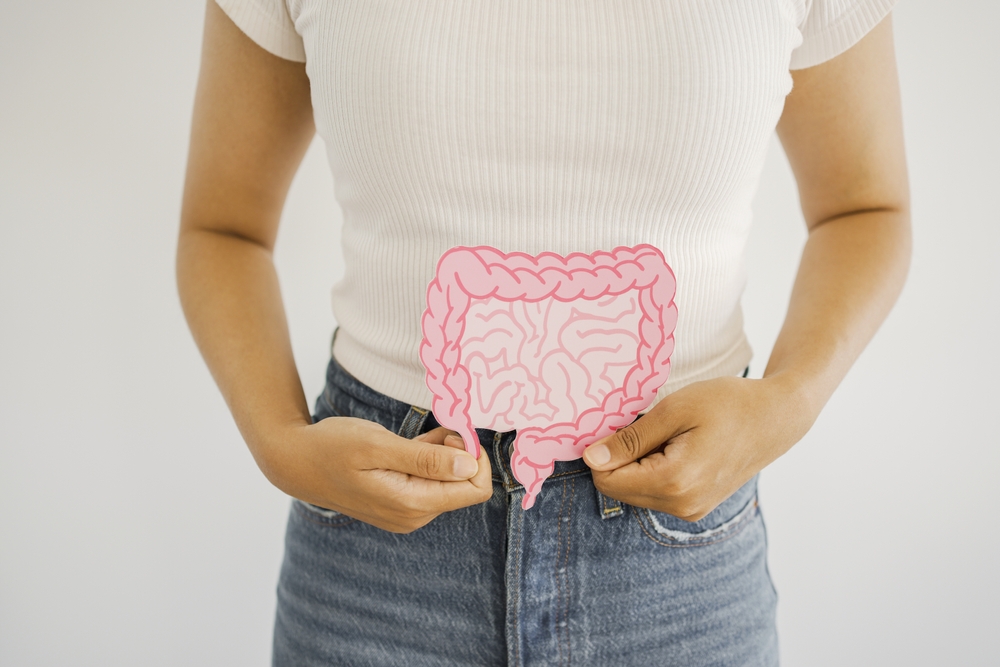
The statement also describes growing interest in the connection between gut microbiota and the brain.
Social relationships are important

According to the experts, social interaction, a sense of purpose in daily life, and treatment of mental health conditions should be seen as part of dementia prevention.
Smoking and heavy alcohol use are discouraged

The American Heart Association warns that smoking, excessive alcohol consumption, and substance abuse can accelerate damage to both blood vessels and the brain.
Small changes may be enough to begin with

Experts recommend starting with small and realistic changes instead of trying to completely transform one’s lifestyle all at once.
Also read: Study raises questions about widely used medication
It is never too early or too late

According to the researchers, people can take steps to protect their brain at any age, and even minor changes may make a difference over time.
Sources: Medical News Today and the American Heart Association.
This article is made and published by Ida-Marie Palm Varbæk, who may have used AI in the preparation.