
Does love feel different when it starts online? According to a new international study, the answer might be yes. Researchers found that couples who met through apps or dating websites tend to feel less satisfied and emotionally connected than couples who met offline.
Lower emotional intimacy

Couples who met online reported a weaker sense of closeness and emotional bonding, often struggling to build the same level of intimacy as those who met face-to-face.
Less romantic passion

The intensity and excitement often seen in early-stage relationships was noticeably lower in online-formed couples, according to the data.
Weaker sense of trust

Relationships that begin online may lack the nonverbal cues and shared experiences that build long-term trust and emotional safety.
Also read: What Happens When You Quit Caffeine? Science Has the Answer
Shared values are less common

Offline couples were more likely to have similar worldviews, beliefs, and life goals—factors that typically contribute to long-term harmony.
Too many options can reduce satisfaction

Dating apps offer endless choices, which may lead to comparison, indecision, and second-guessing once a relationship begins.
Attraction is often more superficial

Initial attraction in online dating is heavily based on photos and quick bios, often sidelining deeper compatibility.
Real-life connections feel more organic
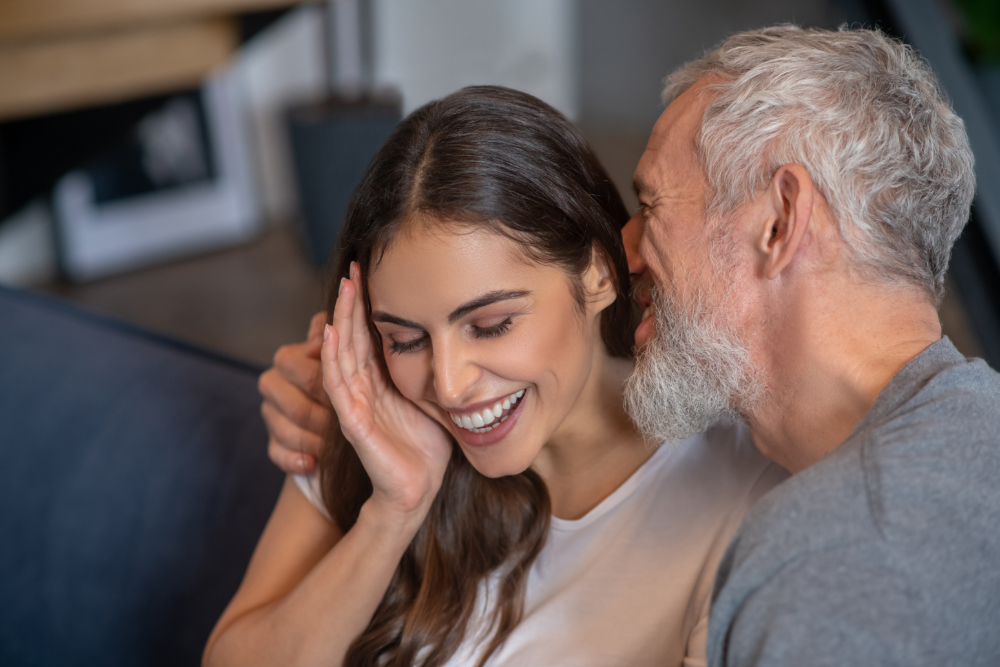
Offline couples typically meet through friends, work, or shared activities—settings that foster more natural and relaxed chemistry.
Also read: Pay Attention to These Symptoms If You’ve Been Bitten By a Spider
Online relationships skip the friendship phase

Relationships formed in person often evolve from friendship, creating a stronger emotional foundation that’s harder to replicate online.
Swipe culture promotes fast judgment

The quick-swipe mindset can make people more impatient, reducing their willingness to invest in long-term commitment or emotional growth.
Online couples may need to work harder

While many online relationships thrive, they often require more conscious effort to build trust, emotional depth, and long-term compatibility.
This article is based on a global study published in Telematics and Informatics and Illustreret Videnskab
Also read: How to live to 100, according to one of Scandinavia’s top aging researchers
Also read: ‘Superagers’ share this one surprising personality trait
This article is made and published by Mie Hermansen, who may have used AI in the preparation.