
Alcohol’s impact on the brain becomes increasingly harmful with age. According to a leading neurologist, there’s a crucial age where quitting alcohol could make all the difference for your cognitive health. Here are 10 key reasons to rethink your relationship with alcohol.
Alcohol directly targets the brain
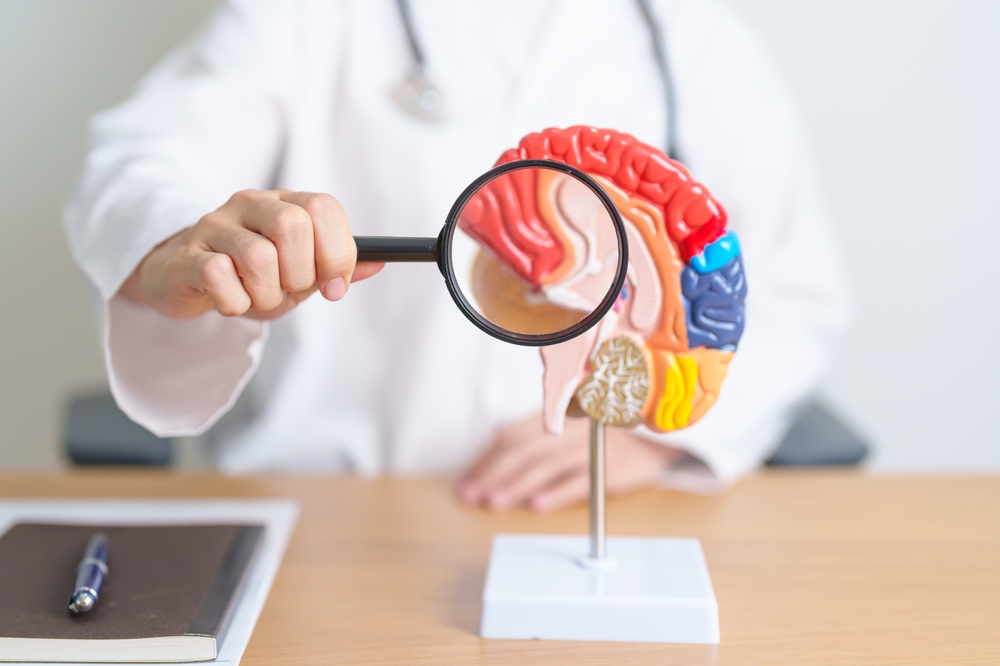
Alcohol acts as a neurotoxin—a substance that can damage or disrupt the nervous system. Its effects accumulate over time, gradually impairing memory and cognitive clarity.
The link between alcohol and dementia is clear

Extensive research shows a strong correlation between excessive alcohol use and a heightened risk of dementia, especially when drinking continues into later life.
An aging brain is more vulnerable

As we grow older, the brain becomes less resilient to harmful substances. This makes alcohol’s negative effects more pronounced in seniors.
Stop drinking by 65, says neurologist

Dr. Richard Restak recommends quitting alcohol entirely by the age of 65 if you’re serious about preserving long-term brain health.
Alcohol can deplete key vitamins

Chronic alcohol consumption can interfere with the body’s ability to absorb vitamin B1, which is critical for maintaining memory and mental clarity.
Wernicke-Korsakoff: A specific alcohol-related dementia

This syndrome, often caused by excessive drinking, leads to severe short-term memory loss and is a direct result of alcohol’s impact on the brain.
Even moderate drinking carries risks
Many believe a daily drink is harmless, but studies suggest even light to moderate alcohol use over time can negatively affect brain function.
Using alcohol to manage stress is dangerous

Drinking to cope with anxiety or stress can lead to dependency and worsen mental health, creating a harmful feedback loop.
Women face greater risks than men

Due to biological differences, women process alcohol more slowly than men, making them more susceptible to its damaging effects—including those affecting the brain.
Early changes make a long-term difference

The sooner you reassess your alcohol habits, the better your chances of maintaining cognitive function. Choosing to cut back is a proactive step toward aging with a healthy mind.
This article is based on information from Dagens.de
This article is made and published by Mie Hermansen, who may have used AI in the preparation.