
Fear and pain are among the most common negative experiences associated with vaccination.
New clinical guidelines published in the Canadian Medical Association Journal bring together a range of methods that can make vaccination more comfortable for both children and adults, according to Medical Xpress.
Use a numbing cream
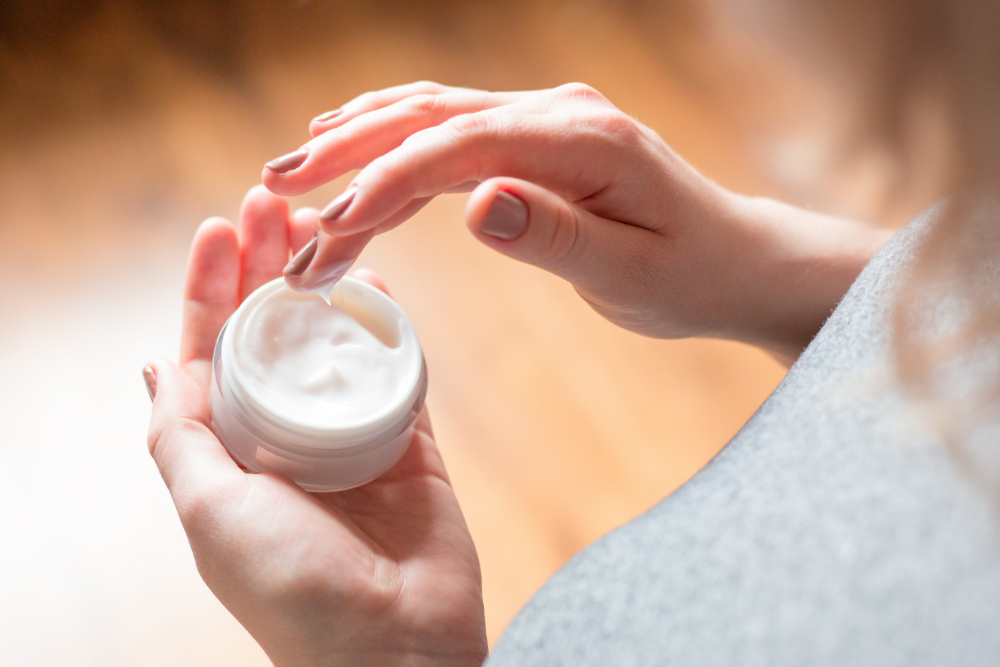
Local anesthetics can be applied to the skin where the vaccine will be administered. The guidelines recommend this option for people of all ages.
Distract yourself with music

Music can be used as a psychological strategy to shift attention away from the vaccination itself.
Also read: This is how long the body can take to catch up on lost sleep
The method can be used for older children and adults, among others.
Breastfeeding can help infants

For infants aged 12 months or younger, breastfeeding can be used as a physical method to reduce discomfort associated with vaccination.
Use toys as a distraction
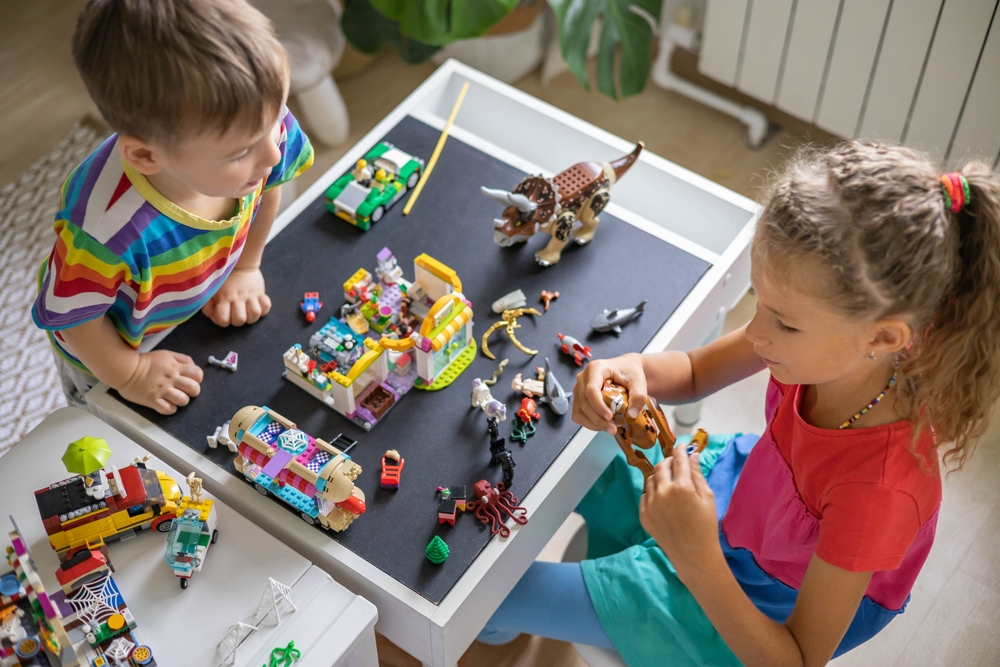
Toys can help direct attention away from the needle. This is mentioned as an option for both infants and older children.
Choose a quick injection

The way the vaccine is administered can affect the experience.
Also read: A bargain eyelid lift abroad may cost you the ability to close your eyes
The guidelines highlight quick injections as one method that can help reduce discomfort.
Sing to the infant

Singing can be used as a distraction when an infant is being vaccinated.
The aim is to direct the child's attention to something else during the vaccination.
Use digital distractions

Digital activities can be used to distract older children and adults.
Also read: A rare infection during pregnancy may triple your child's risk of autism
This is one of the psychological methods highlighted in the guidelines.
Bottle-feed during vaccination
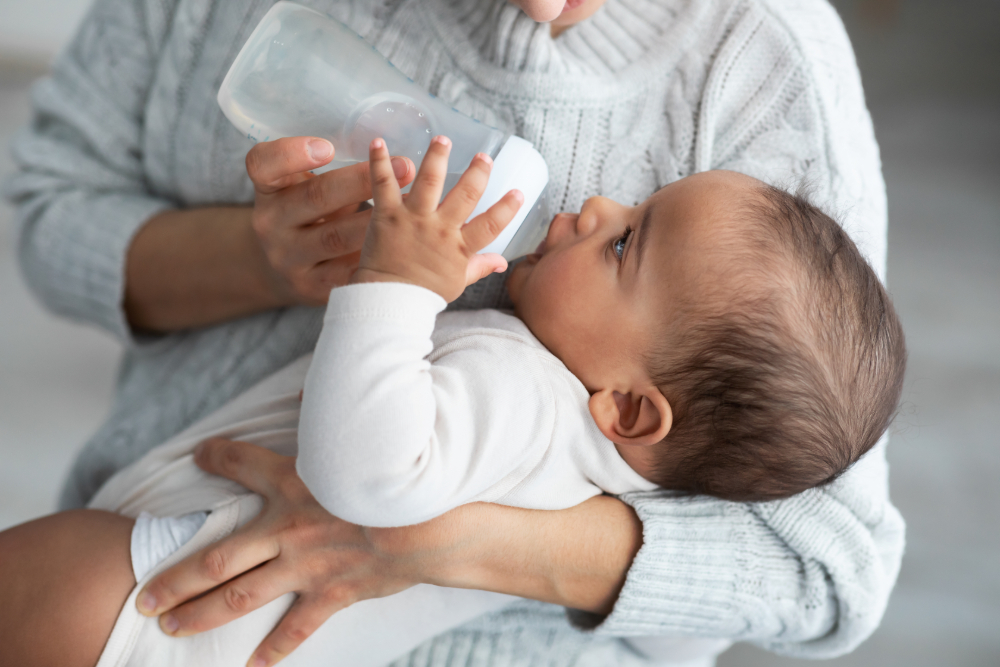
Bottle-feeding is one of the options that can be used for infants up to 12 months old to make the vaccination experience more comfortable.
Choose a strategy in advance

The guidelines recommend choosing strategies to manage discomfort before and/or during vaccination.
Individuals and their caregivers should choose the option that works best for them.
Also read: The popular allergy and sleep pill experts say most adults should stop taking
Sweet-tasting liquids can be used for infants

Sweet-tasting liquids are mentioned as another option for infants aged 12 months or younger.
The method is among the physical measures included in the new recommendations.
Games can shift attention
Games can serve as a distraction for older children and adults.
By directing attention to another activity, this strategy can be used during vaccination.
Also read: Can menopause be delayed? Here is the answer
A pacifier can be an option

For infants, a pacifier can be used as a physical strategy during vaccination.
It is one of several options recommended for children aged 12 months or younger.
Awareness of the methods is important

The guidelines recommend that administrators, people who administer vaccines, and those receiving vaccinations be given information about methods for reducing fear and discomfort and how to use them.
The CARD system can help

The updated recommendations are based in part on the CARD system, which stands for Comfort, Ask, Relax and Distract.
The system was developed as a research-based tool for selecting strategies before and during vaccination.
Individuals should choose for themselves

The guidelines emphasize that people receiving vaccinations and their caregivers should choose the method that works best for them.
The recommendations therefore provide several different options rather than a single approach for everyone.
This article is made and published by Ida-Marie Palm Varbæk, who may have used AI in the preparation.