
A new scientific method now makes it possible to detect your intake of ultra-processed food through blood and urine.
No memory, no guesswork — just a raw, honest look at your eating habits. Here are 10 key takeaways from this groundbreaking study.
Your Body Tells the Truth About Your Diet
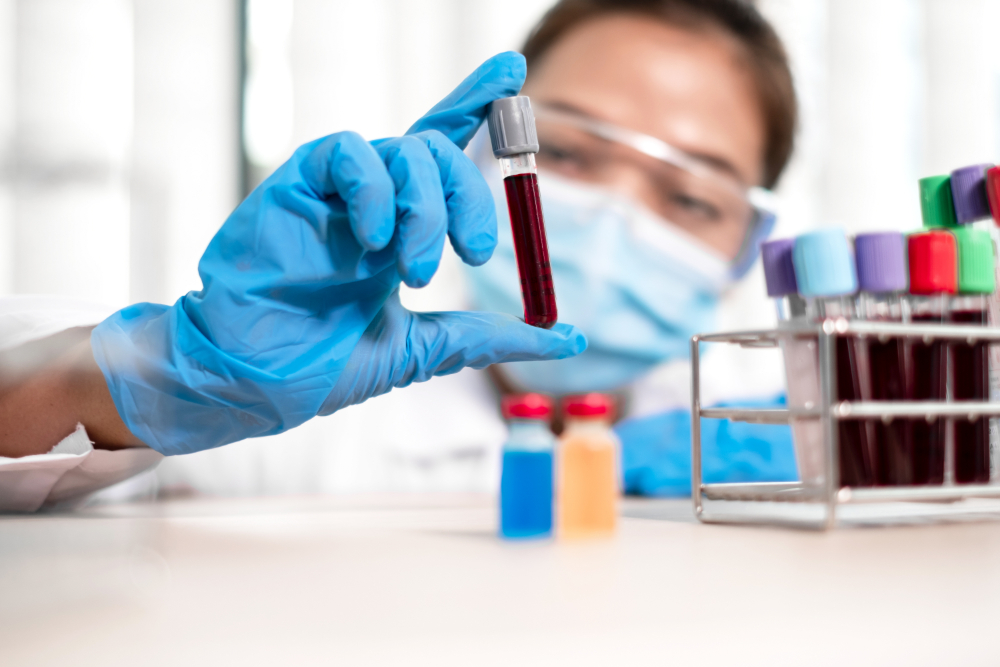
Researchers have developed a biomarker-based test that can identify how much ultra-processed food (UPF) you consume — just by analyzing your blood and urine.
Food Diaries Are No Longer Enough
Traditional diet surveys rely on memory, but this new method offers a far more accurate and objective snapshot of what you’ve actually eaten.
Over 400 Molecules Reveal What You Eat
The study identified more than 400 compounds in blood and urine that shift depending on how much UPF a person consumes.
A Score That Measures Your UPF Level
The new “poly-metabolite scores” act like a nutritional fingerprint, measuring the degree of UPF intake directly through biological samples.
The Worst Offenders Come From Packaging
Many of the detected substances didn’t just come from the food itself — but from additives and chemicals leaching in from plastic packaging.
Your Fruit and Veg Intake Shows Too

People who ate more ultra-processed food had lower levels of compounds linked to fruits and vegetables — meaning your body reveals what you’re missing, too.
Some Molecules Are Linked to Disease

One key compound, N6-carboxymethyllysine, rose significantly in people with high UPF diets. It’s also associated with diabetes and cardiovascular disease.
The Test Works in Real-Life Settings

When tested in a controlled diet trial, the method reliably distinguished between participants eating 80% UPF and those eating none at all.
It’s Not Just About What’s Bad

The biological changes reflect not only the unhealthy additions in UPF — but also the absence of crucial nutrients like fiber, vitamins, and antioxidants.
A Tool That Could Change Public Health

This technology could revolutionize nutrition science, allowing for earlier detection of harmful eating patterns — and smarter, more personalized health advice.
This article is based on information from News Medical
This article is made and published by Mie Hermansen, who may have used AI in the preparation.