
Many people think of anesthesia as nothing more than a deep sleep, but new research suggests the brain behaves in a much more complex way. The findings indicate that the anesthetized brain can display characteristics of multiple states of consciousness rather than simply being asleep, reports Yale.
Anesthesia is more than deep sleep

A new study from Yale School of Medicine challenges the long held belief that anesthesia is simply a state of deep sleep.
New research offers fresh insights

Published on May 11, 2026, in the Proceedings of the National Academy of Sciences, the study examined how the brain responds while a patient is under anesthesia.
The brain is rarely monitored
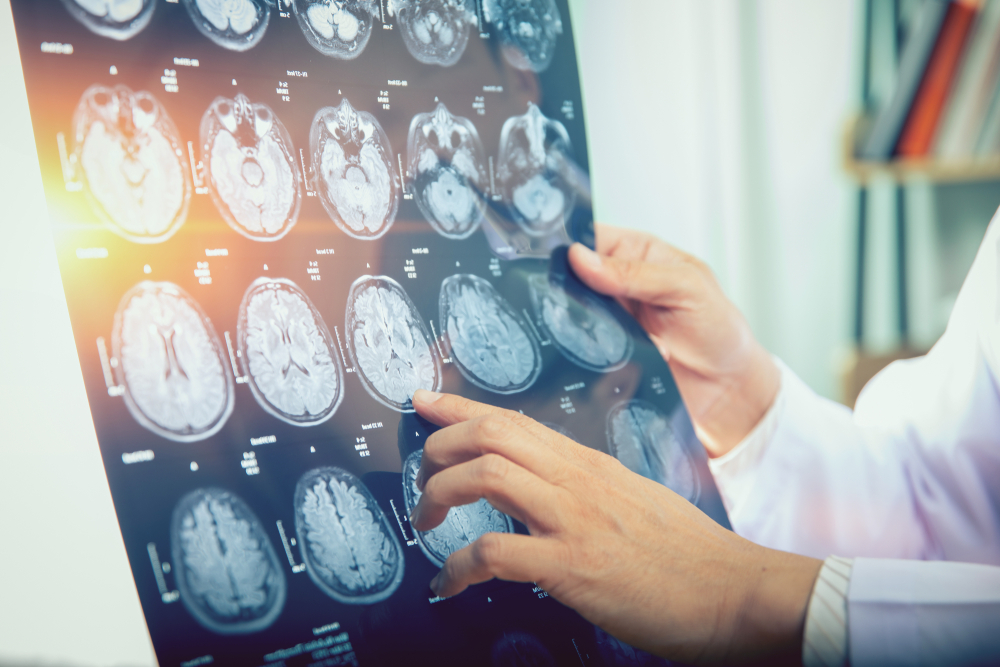
Although anesthetic drugs act directly on the brain, researchers note that brain monitoring is still not part of routine care during most surgical procedures.
Also read: Migraine with aura linked to 73 percent higher risk of stroke
Researchers used EEG recordings
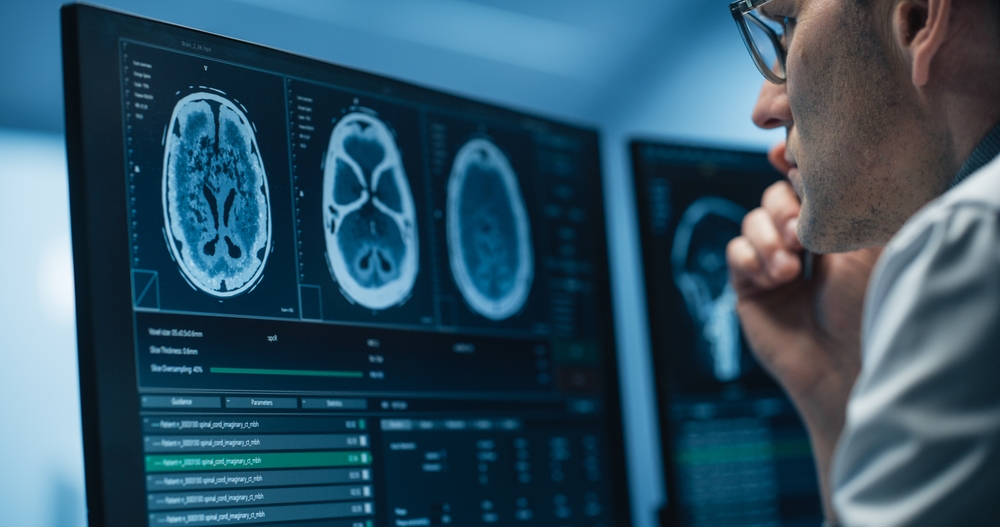
The team measured brain activity using electroencephalography, or EEG, by placing electrodes on the patients' scalps throughout the procedure.
The entire brain was examined
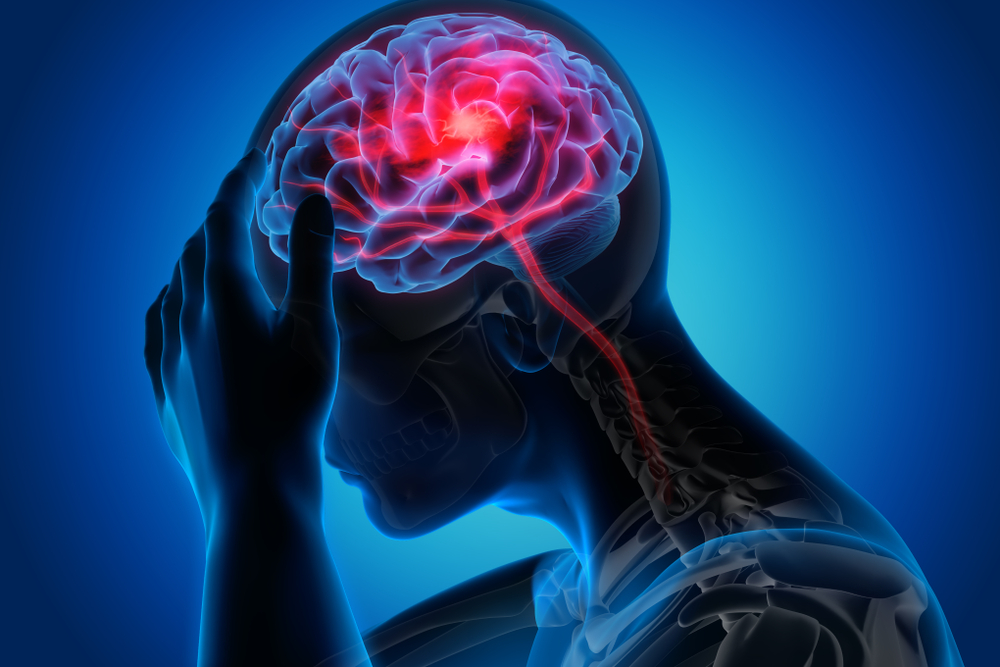
Instead of focusing only on the front of the head, the researchers used a full head EEG with 20 electrodes to capture activity across multiple brain regions.
Propofol was the focus
The study analyzed patients who received propofol, one of the most commonly used anesthetic drugs during surgery.
Brain activity was compared across different states
The recorded brain signals were compared with EEG patterns from people in deep sleep, REM sleep, normal wakefulness, and coma.
Also read: Craving candy? Try dried jackfruit instead
Anesthesia shares features with multiple states
The results showed that the anesthetized brain can display patterns similar to both sleep and coma, depending on which brain regions are examined.
Anesthesia also has its own signature
Researchers found evidence that anesthesia creates a unique pattern of brain activity that does not fully match any other known state of consciousness.
The goal is to reduce side effects

The research team hopes their work will help develop approaches that reduce long term effects on memory and cognitive function after surgery.
A sleep like state may offer benefits

According to the researchers, guiding the brain toward a more natural sleep like state during anesthesia could potentially lessen some of the side effects associated with surgical procedures.
Also read: These breakfast cereals may help reduce the risk of stroke
Better monitoring could improve patient care
The researchers believe improved brain monitoring during surgery could allow anesthesiologists to tailor anesthesia more precisely to each patient's needs.
Also read: New blood test could make unpleasant cancer examination unnecessary
This article is made and published by Mie Hermansen, who may have used AI in the preparation.