
Cinnamon may be best known for its sweet aroma and use in baking, but research now reveals it might also be a powerful natural aid for managing blood pressure.
Here are ten science-backed reasons why just a teaspoon a day could make a measurable difference.
Used for Thousands of Years
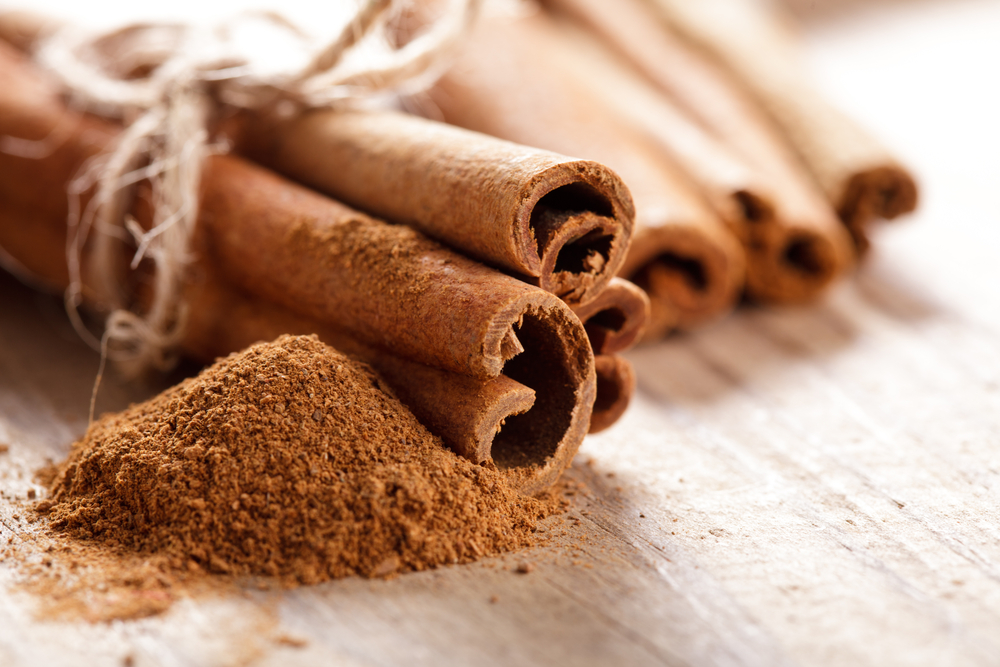
From Mesopotamia to ancient China and India, cinnamon has been used in traditional medicine to support circulation and cardiovascular health long before blood pressure was a medical concept.
Works Like Natural Medicine
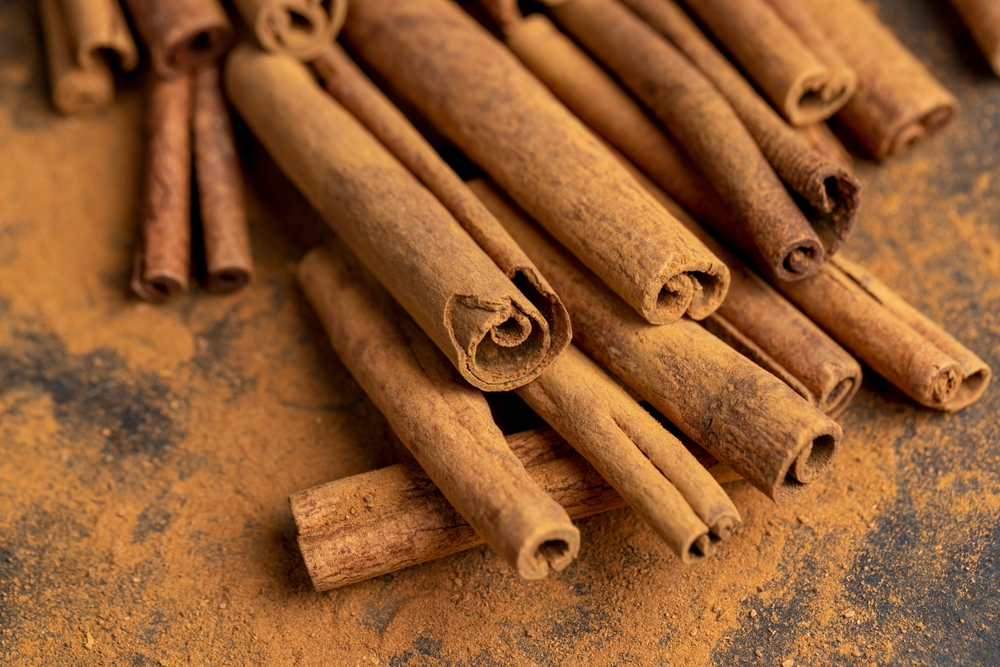
Modern studies show that cinnamon relaxes blood vessels, helping blood flow more easily—similar to the effect of some prescription blood pressure medications.
Also read: They Show Up in Every Bag - But Should You Eat the Green Chips?
Three Biological Mechanisms in Action

Cinnamon acts as a mild calcium channel blocker, reduces inflammation in arteries, and boosts nitric oxide production, all contributing to healthier blood pressure.
One Teaspoon Makes a Difference

Just 5 ml (about one teaspoon) of cinnamon daily has been shown in clinical studies to lower systolic blood pressure by 5–7 mmHg within two weeks.
Clinical Studies Confirm the Effect
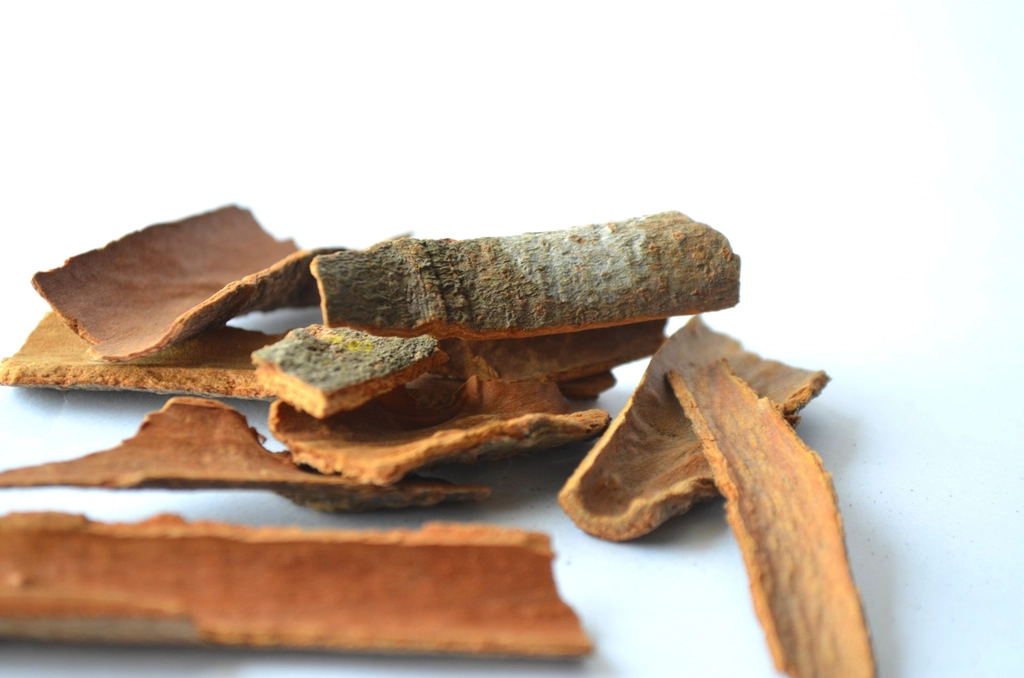
Controlled trials have documented that cinnamon significantly reduces both systolic and diastolic blood pressure, especially in people with prehypertension or type 2 diabetes.
Helps Regulate Insulin Resistance
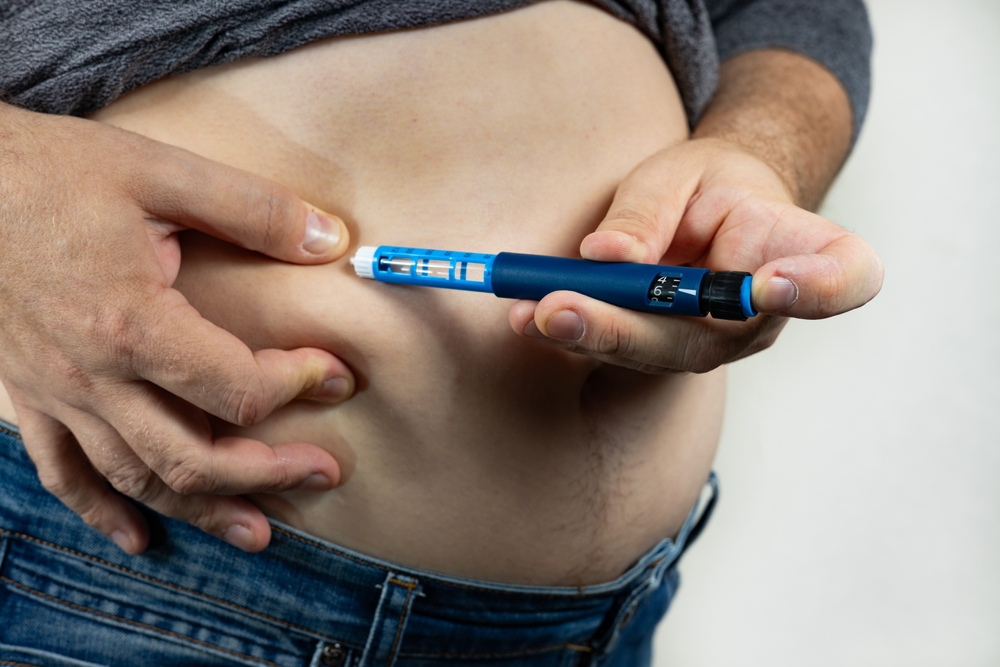
Cinnamon also improves insulin sensitivity, which is an often-overlooked factor in the development of high blood pressure.
Also read: These Foods Pretend to Be Good for You – Now a Chef Is Exposing the Truth
Easy to Add to Your Routine
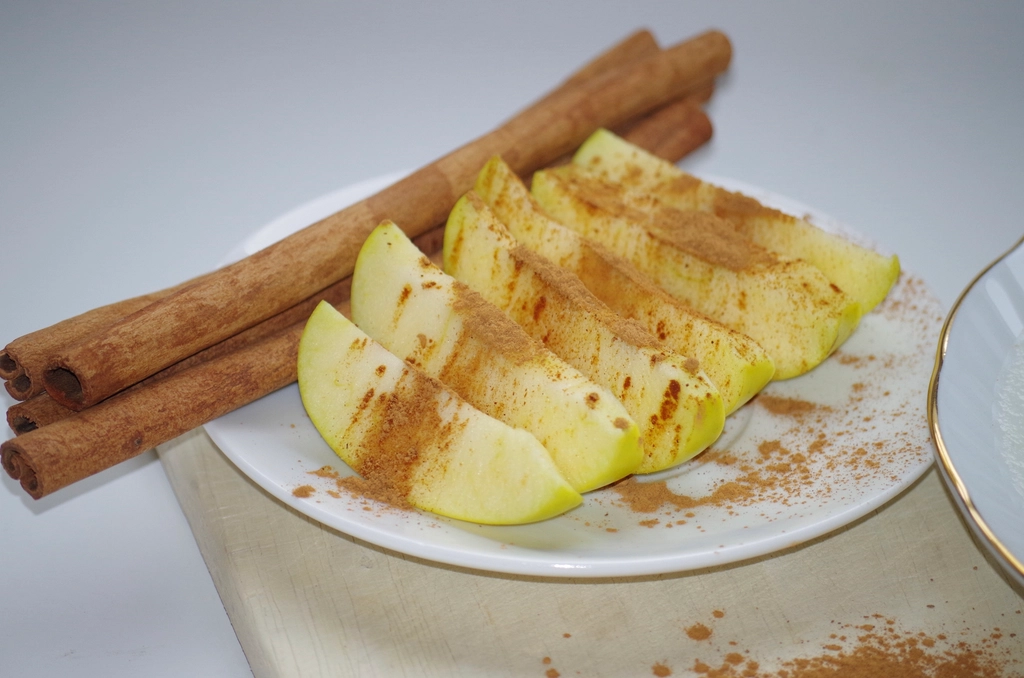
It’s simple to sprinkle cinnamon into your breakfast, coffee, smoothies, or even savory dishes like roasted vegetables and stews.
Natural Remedies Get Less Attention
Because spices like cinnamon can’t be patented, pharmaceutical companies have little financial incentive to promote them, despite their documented benefits.
Not Suitable for Everyone
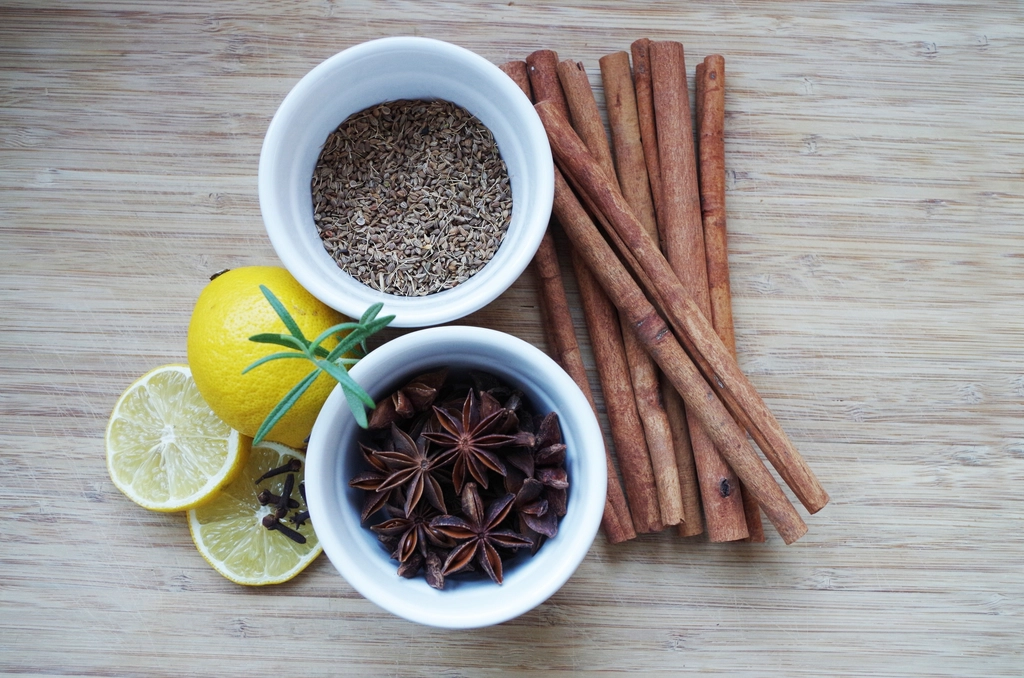
Cinnamon (especially the cassia variety) contains coumarin, which can affect liver health in high doses. People with liver conditions or those who are pregnant should consult a doctor first.
A Complement, Not a Replacement
Healthcare professionals increasingly recommend natural remedies like cinnamon as a supplement to, not a replacement for, conventional blood pressure treatments—especially in mild to moderate cases.
Also read: This Japanese Diet Trick May Naturally Fight Depression, Says Major New Study
This article is based on information from Steth News
Also read: Is Olive Oil Healthy? Science Has the Answer
This article is made and published by Mie Hermansen, who may have used AI in the preparation.