
As a person approaches the end of life, the body undergoes a series of natural changes. While it can be difficult for loved ones to witness, these signs are expected and part of the dying process. Here is an overview of the most common signs you may notice.
Decreased appetit

It is normal for the desire for food and drink to fade. The body no longer needs as much energy, and small bites or sips are often enough.
Increased need for sleep

People nearing the end of life spend longer periods asleep. Awake moments become fewer, and energy is conserved through rest.
Withdrawal from surroundings
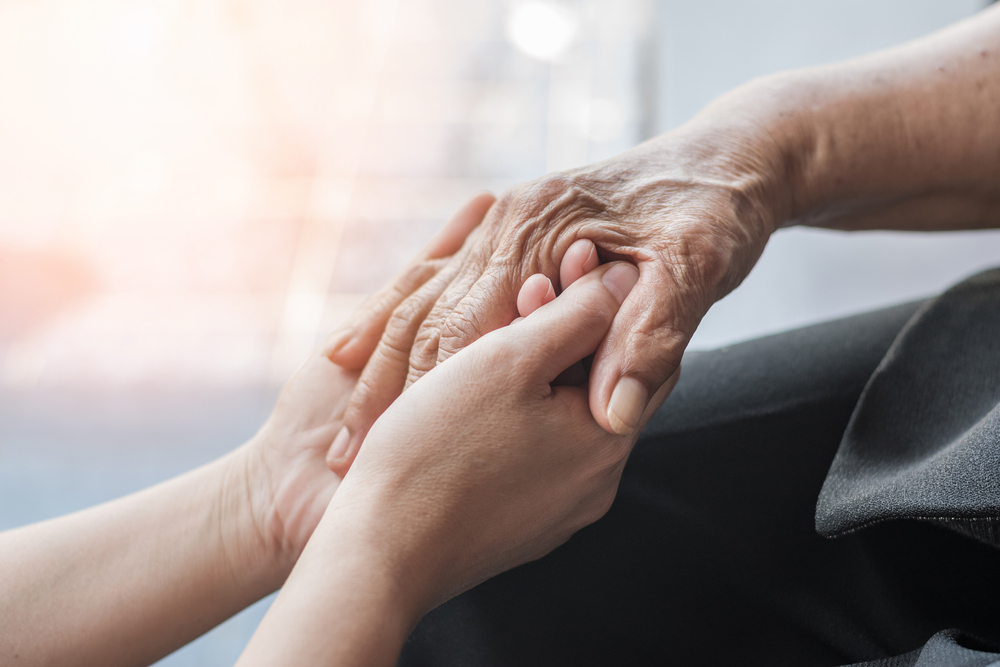
Interest in conversation and social activities declines. Many prefer peace and quiet rather than interaction.
Also read: Do you know the signs? Warning symptoms of stroke you should never ignore
Physical weakness

Strength gradually diminishes, and moving around becomes more difficult. Most people spend much of the day in bed.
Reduced elimination

As the body slows down, less urine and stool are produced. Urine may also appear darker.
Changes in skin color and temperature
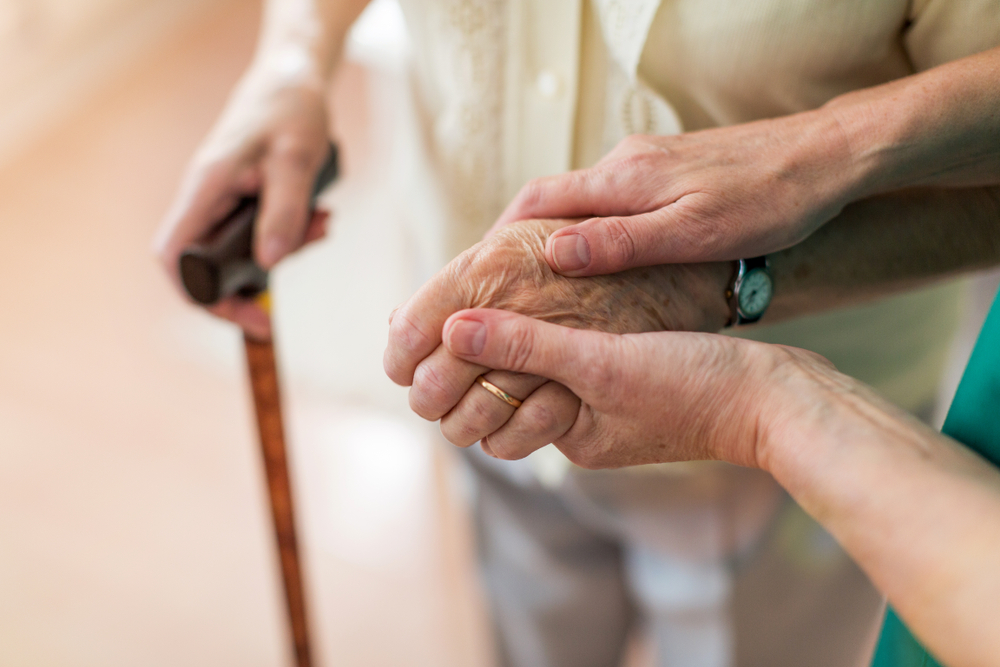
Skin may feel cold or clammy, and circulation changes can cause bluish or purplish tones, especially on hands and feet.
Confusion or visions

It is common for the dying to become disoriented or to see and speak with people who are not present.
Also read: Effective Methods to Remove Warts Without Scarring
Restlessness
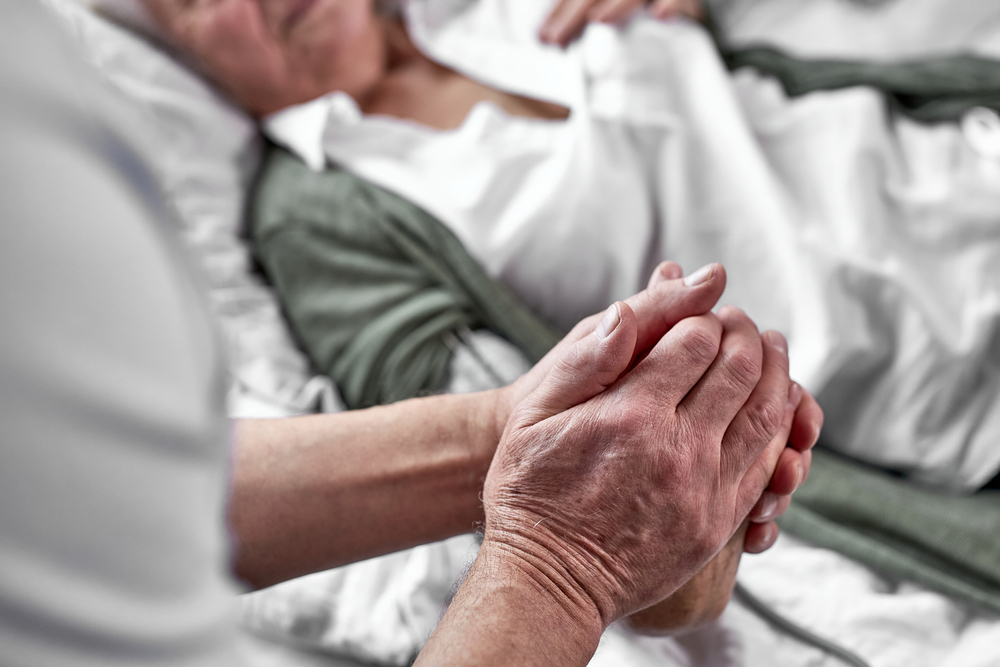
Metabolic changes may lead to anxiety or agitation. Loved ones can help by creating a calm and reassuring environment.
Altered breathing

Breathing may become irregular or produce a rattling sound as fluid collects in the throat. This is usually not painful.
The final phase

In the last hours, the pulse weakens, body temperature drops, skin develops purple mottling, and consciousness fades until breathing eventually stops.
This article is based on information from VNS Health
Also read: These Herbal Teas May Support Kidney Health Naturally
Also read: Cheap Supplement Boosts Memory in Just 12 Weeks
This article is made and published by Mie Hermansen, who may have used AI in the preparation.