
Html code here! Replace this with any non empty raw html code and that's it.

Scarlet Fever in Children: Warning Signs You Should Never Ignore

Date:

Share this article:

Del denne artikel:

Infections can strike without warning — and when it comes to children, some symptoms may seem harmless at first. Scarlet fever is one such illness that can quickly escalate. Here are 10 signs to watch for right away.

Sudden High Fever

Photo: Shutterstock.com

A rapid spike in body temperature, especially without other flu-like signs, is often one of the earliest red flags of scarlet fever.

Swollen Neck Glands

Photo: Shutterstock.com

Tender, enlarged lymph nodes on the side of the neck are a strong indicator that the immune system is battling an underlying infection.

Rough, Bumpy Rash
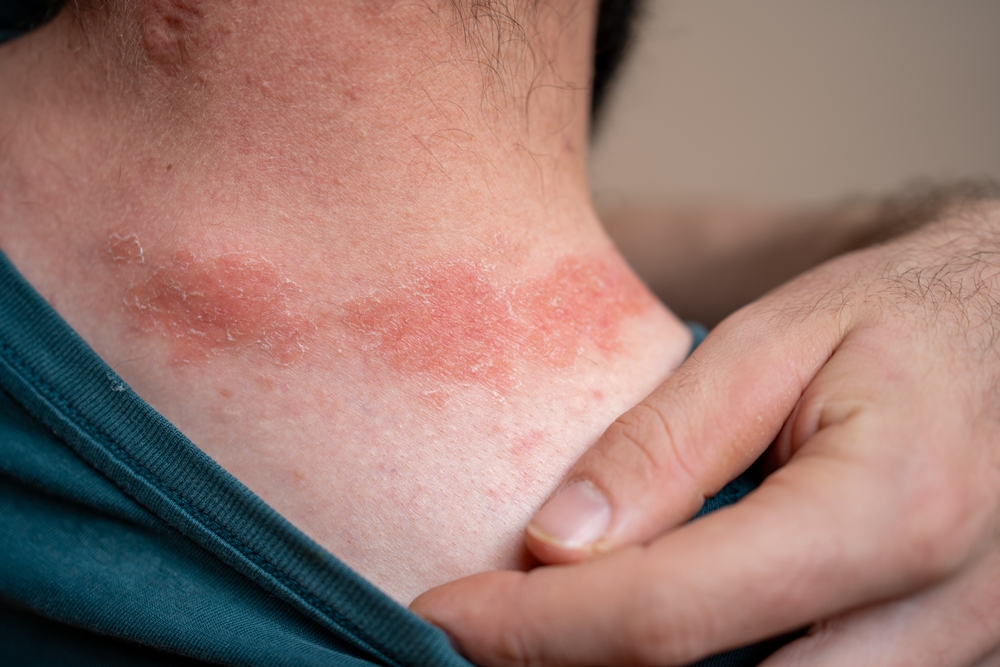
Photo: Shutterstock.com

A hallmark of scarlet fever is a red, sandpaper-like rash that typically starts on the chest or stomach and then spreads across the body.

Also read: Chefs Spill the Beans: How to Make a Tortilla Just Like in the Best Restaurants

Severe Sore Throat
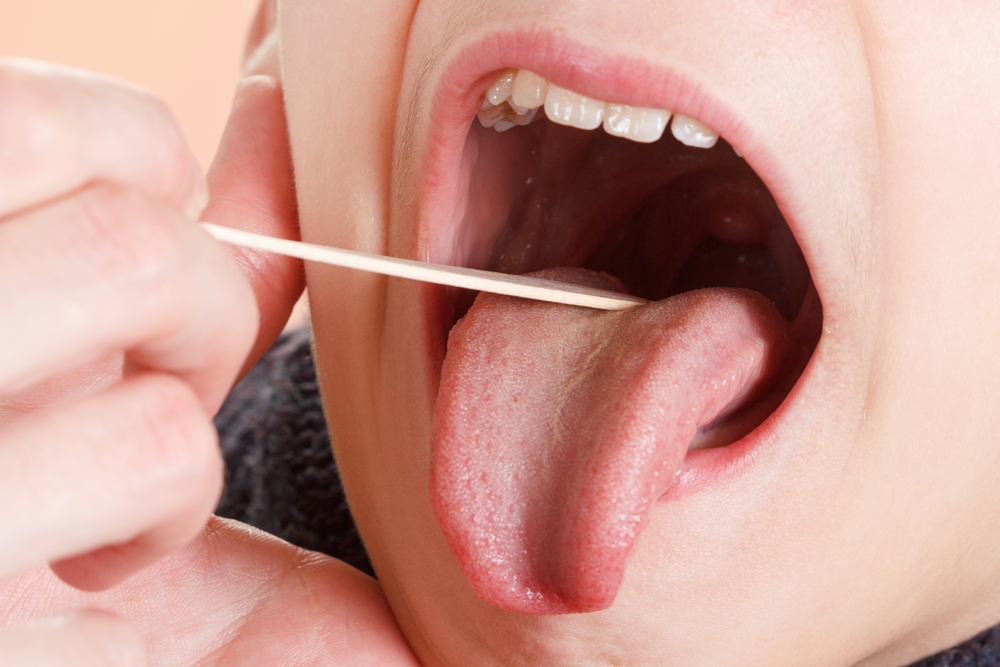
Photo: Shutterstock.com

A painful throat that makes swallowing difficult — especially when accompanied by fever — is a symptom that should never be dismissed.

Bright Red “Strawberry” Tongue
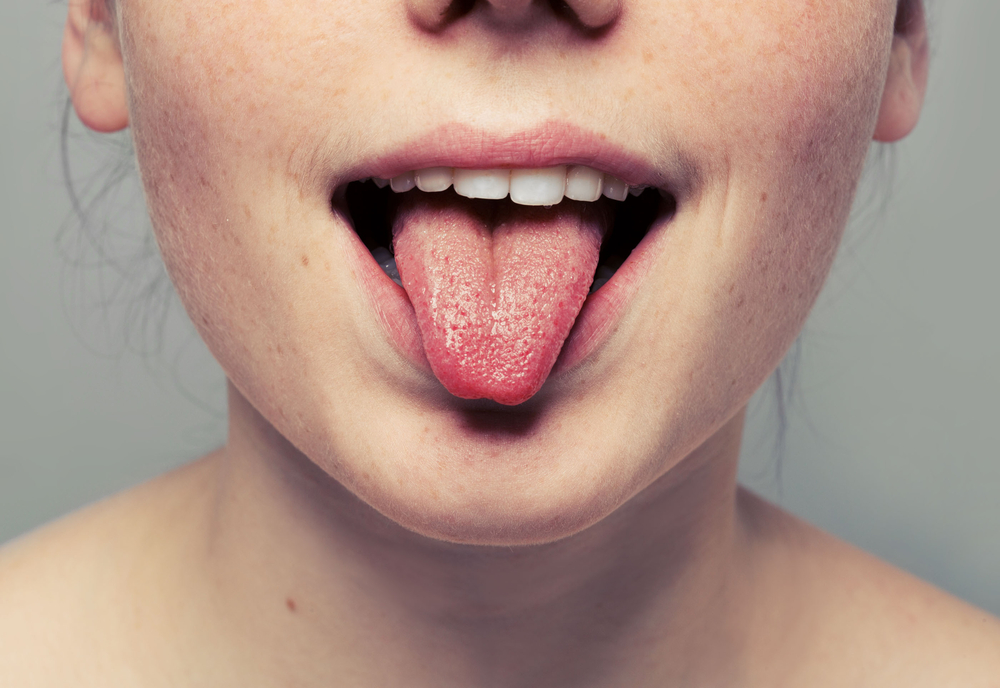
Photo: Shutterstock.com

One of the clearest signs is a tongue that turns red, bumpy, and swollen, closely resembling the surface of a strawberry.

Flushed Cheeks

Photo: Shutterstock.com

Though the rash often avoids the face, many children develop pronounced redness in their cheeks — a telltale visual clue.

Peeling Skin

Photo: Shutterstock.com

As the infection subsides, skin may begin to peel, particularly on the fingertips, toes, or around the nails — similar to a sunburn.

Also read: 10 Warning Signs Your Body Might Be Dehydrated

Extreme Fatigue

"Sleeping Toddler" by Bob Richards/ CC0 1.0

Unusual tiredness, loss of energy, and excessive sleepiness are signs that the body is fighting a serious illness like scarlet fever.

White Coating on the Tongue
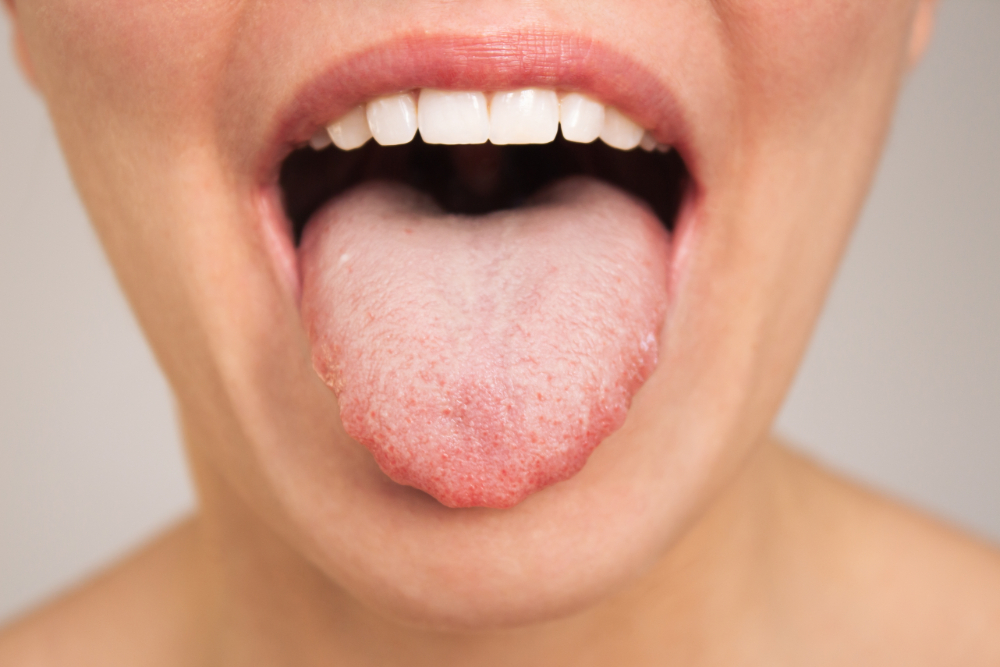
Photo: Shutterstock.com

Before the tongue turns red, it may first develop a white coating — often combined with bad breath and irritation in the mouth.

Relapsing Symptoms After Initial Recovery
Photo: Shutterstock.com

If your child seems to get better, only to fall ill again shortly after, it may be a sign that the infection is lingering or untreated.

This article is based on information from Mirror

Also read: Forget Air Conditioning! This Hack Works Even Better

Also read: This Surprising Body Part Reveals How Fit You Really Are

Other articles

Combined abdominal obesity and muscle loss linked to 83% higher risk of death

A long-term study of adults over 50 shows that the combination of abdominal fat and muscle loss is linked to an 83% higher risk of death, highlighting a largely overlooked health risk in ageing.

New research has identified a method for producing healthier chips

For many years, healthy snacks have struggled to compete with classic chips. New research now suggests that a modified preparation method could make chips a healthier alternative.

Artificial food dyes and their potential effects on children’s health

Growing scientific evidence suggests that artificial food coloring may affect some children’s behavior and health, prompting closer scrutiny of everyday processed foods.

New study suggests that bright light may influence appetite and weight

Light may affect the body more than previously assumed. A new study points to a possible link between light exposure and weight.

Combined abdominal obesity and muscle loss linked to 83% higher risk of death

A long-term study of adults over 50 shows that the combination of abdominal fat and muscle loss is linked to an 83% higher risk of death, highlighting a largely overlooked health risk in ageing.

New research has identified a method for producing healthier chips

For many years, healthy snacks have struggled to compete with classic chips. New research now suggests that a modified preparation method could make chips a healthier alternative.

Artificial food dyes and their potential effects on children’s health

Growing scientific evidence suggests that artificial food coloring may affect some children’s behavior and health, prompting closer scrutiny of everyday processed foods.