
Cold showers have become a popular part of many people's wellness routines. Research shows that while some of the claimed benefits are well supported, others still lack solid scientific evidence, reports Futura.
Not every health claim holds up
Cold showers are often promoted as a solution to a wide range of health problems. According to current research, however, the evidence is far from equally strong for all of these claims.
The energizing effect is real
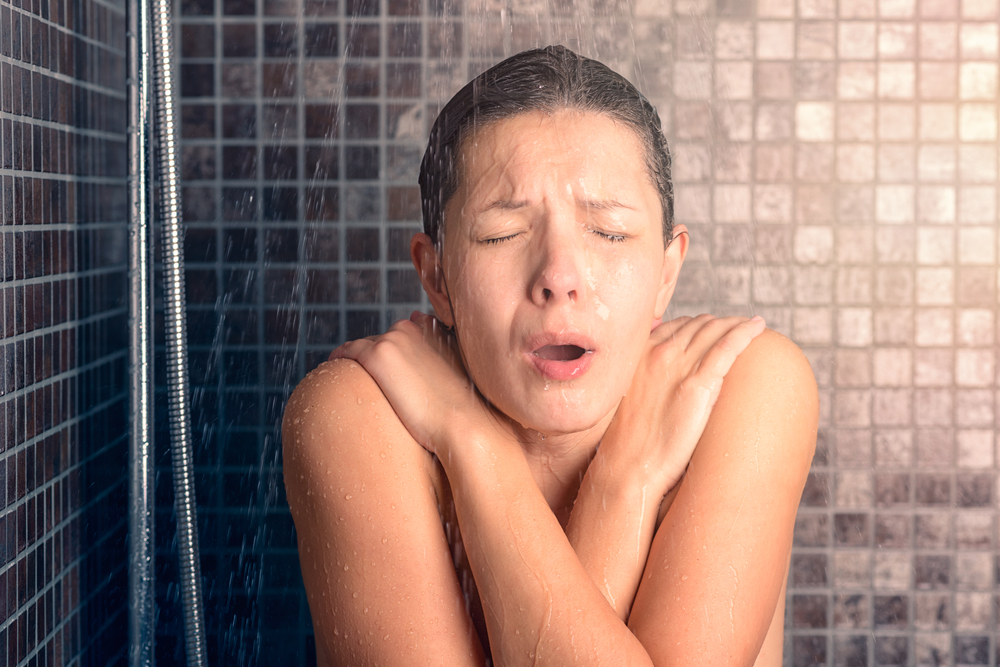
When your body is exposed to cold water, it releases chemicals such as noradrenaline and dopamine. This can create a noticeable feeling of increased energy and alertness.
Your body reacts immediately

Cold water activates the body's fight or flight response. At the same time, your heart rate, blood pressure, and breathing all increase.
Also read: What Cristiano Ronaldo eats to stay at the top of his game
Your mood may get a temporary boost

The body's chemical response to cold water can produce a short-lived feeling of well-being after a cold shower.
Stress levels may decrease
A 2025 systematic review found that stress levels could be lower around 12 hours after cold-water exposure.
Sleep may improve slightly

The same review also reported modest improvements in sleep quality and overall well-being.
Cold water may ease sore muscles

Cold showers can help reduce muscle soreness after exercise. However, experts do not recommend using them immediately after strength training, as they may interfere with muscle growth.
Also read: Yawning for no reason? It could be an early sign of a migraine
Fewer reported sick days
A study involving more than 3,000 participants found that taking a cold shower for 30 to 90 seconds each day was associated with fewer self-reported sick days.
Illness itself was not reduced

Although participants reported taking fewer sick days, the study found no difference in the number of days they actually felt ill.
The boost to metabolism is brief

Your body burns extra energy to warm itself after cold exposure, but researchers say the effect is too small and short-lived to be an effective weight-loss strategy.
Several popular claims remain unproven

There is no strong evidence that cold showers strengthen the immune system, burn fat, or treat depression over the long term.
Start gradually and stay safe
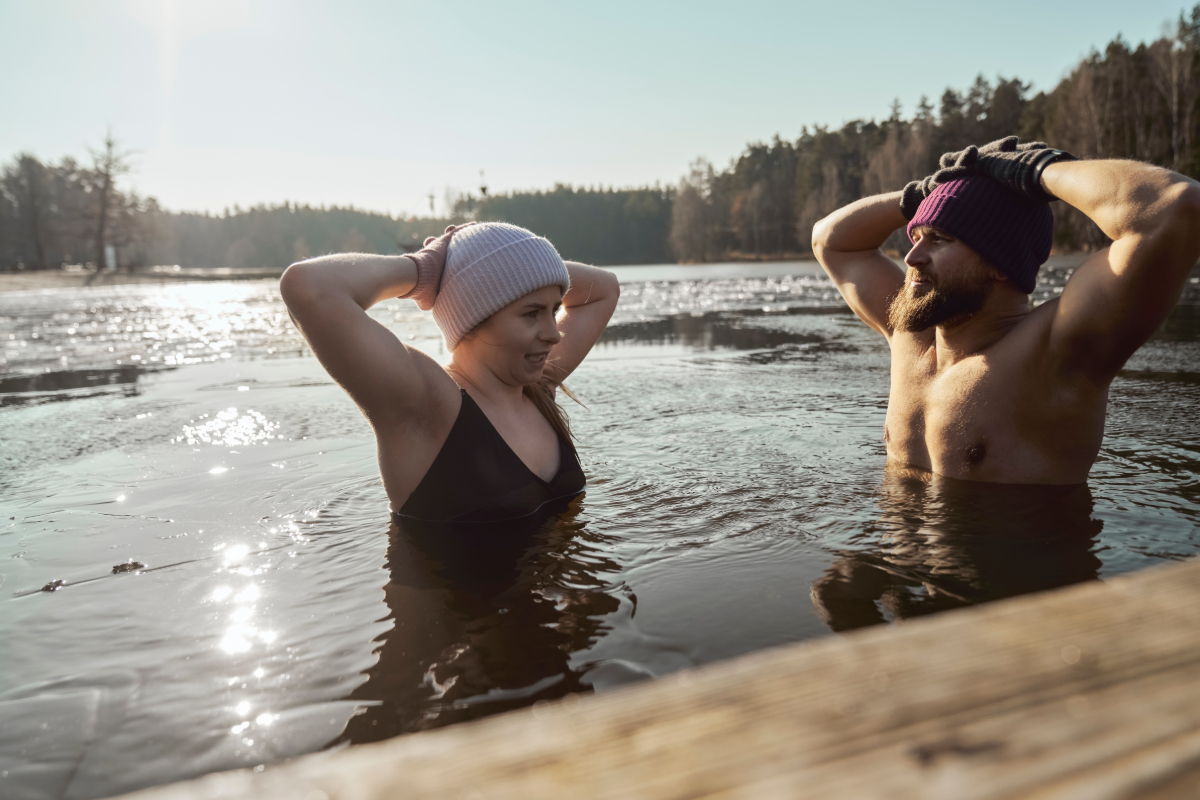
Many studies have used water temperatures between 10 and 15°C (50 to 59°F). A simple way to begin is by ending a warm shower with about 30 seconds of cold water. People with heart conditions should speak with a doctor before trying cold showers, as the sudden cold can raise both heart rate and blood pressure.
Also read: How your moisturizer could help you sleep better in the heat
This article is made and published by Mie Hermansen, who may have used AI in the preparation.