
Several research projects have examined how the brain responds during the final moments of life. The findings suggest that, in some cases, significant electrical activity occurs even after the heart has stopped, although researchers stress that much more research is needed, reports FUTURA.
Researchers are studying the brain's final moments
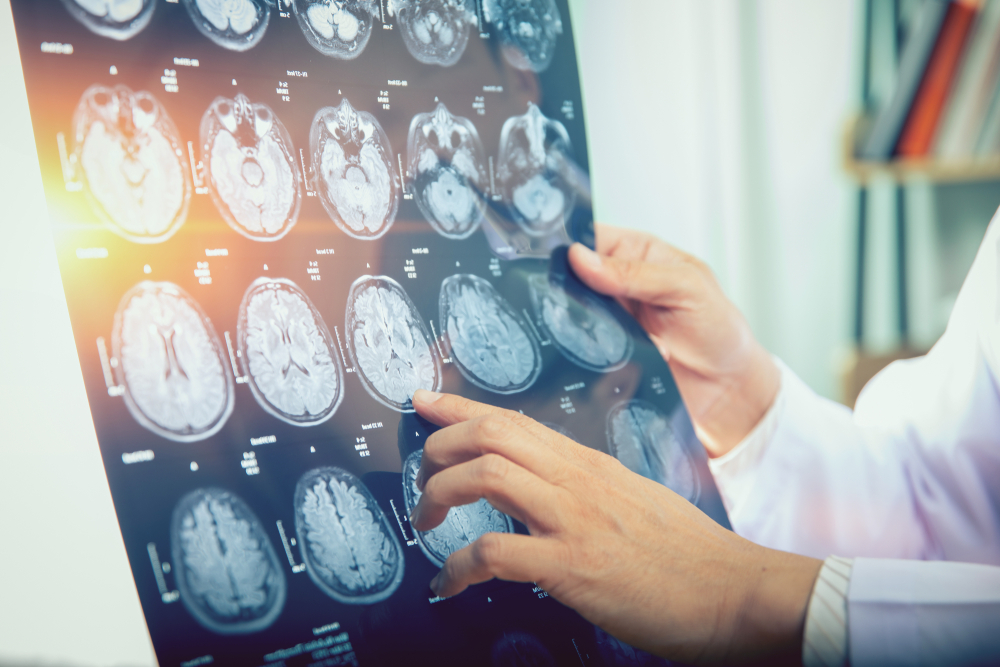
Using EEG recordings, scientists are working to understand the processes that take place in the brain as life comes to an end.
Hundreds of patients took part in the study
The AWARE II study, led by Sam Parnia at NYU Langone, included 567 patients who underwent CPR at 25 different hospitals.
Only a small group survived
Just 53 patients survived cardiac arrest. Among those survivors, nearly 40 percent showed brain activity returning to a normal pattern.
Also read: Researchers discover surprising link between stepping speed and longevity
Brain waves changed during resuscitation

During resuscitation, researchers detected clear changes in alpha and gamma brain waves. In healthy adults, these waves are typically associated with active thinking and advanced memory processing.
Four patients were examined in Michigan
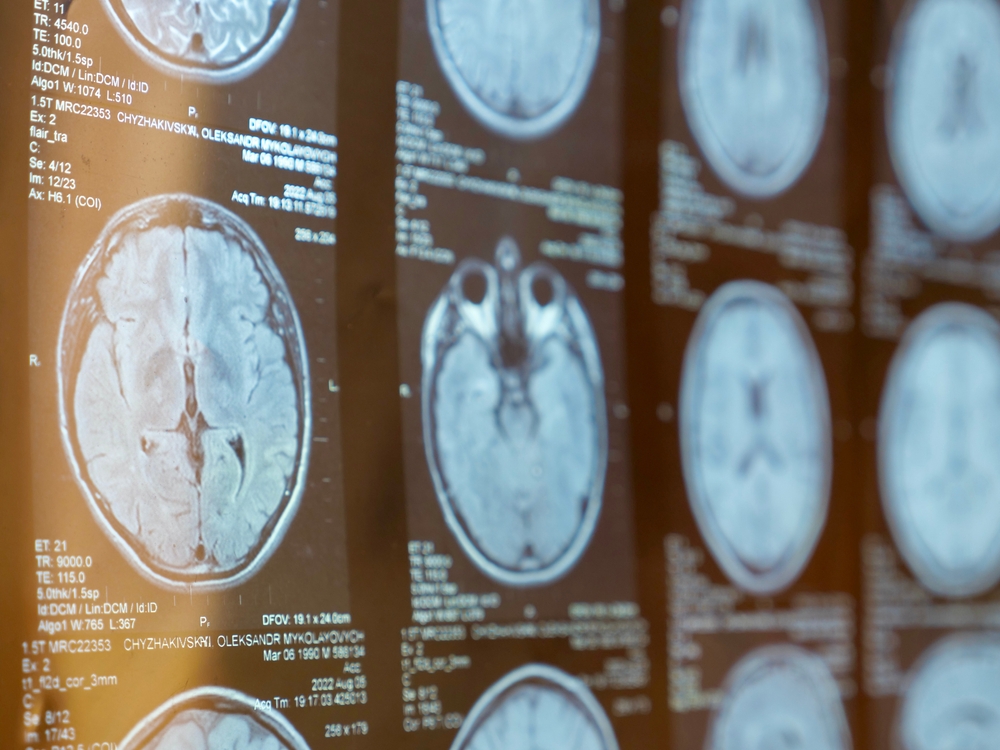
A research team at the University of Michigan analyzed four comatose patients who died after life support was withdrawn.
Two patients stood out
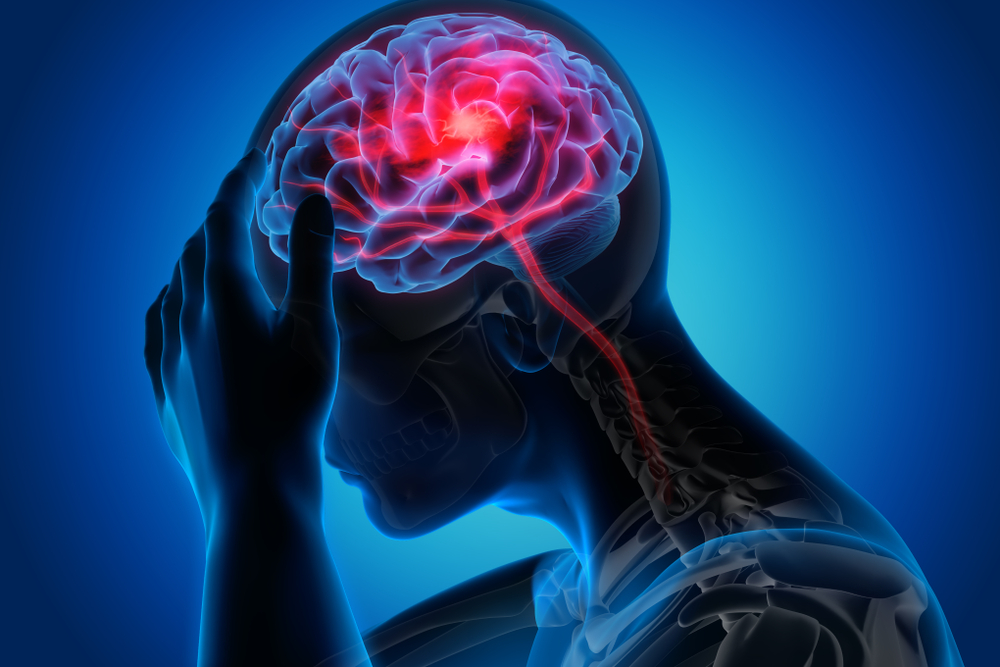
In two of the four patients, gamma activity increased significantly as their heart rate changed, while the remaining patients showed no comparable pattern.
Multiple brain regions were active at the same time

The recorded signals appeared in synchrony across brain regions associated with dreaming and visual processing.
Also read: Mystery parasite outbreak leaves US health officials searching for answers
The findings challenge previous assumptions

The measurements suggest that the brain does not necessarily shut down in a gradual, linear process but may instead go through a brief period of heightened activity.
An earlier study found a similar pattern
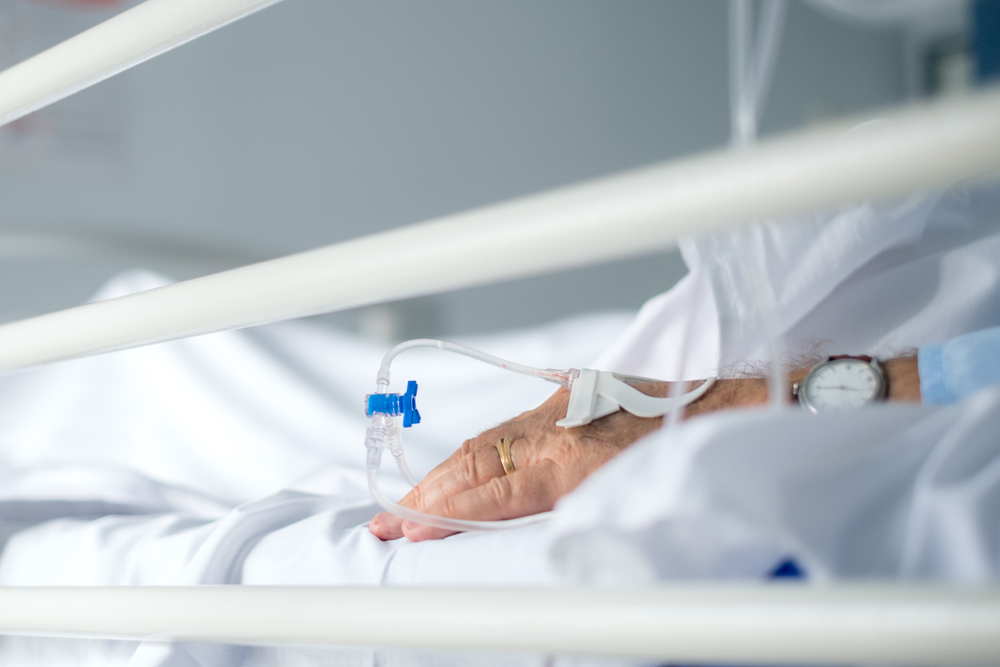
A 2022 case study described an 87 year old patient who, during a fatal heart attack, showed increased gamma activity alongside slower theta waves.
Small studies limit the conclusions

Researchers emphasize that studying dying patients is extremely challenging. As a result, current knowledge is based on a limited number of recordings and relatively small studies.
Survivors described vivid memories

Several people who survived cardiac arrest in the AWARE II study reported clear and coherent memories from the resuscitation process. According to the researchers, these accounts differ from the hallucinations commonly associated with delirium.
Also read: This is the best breakfast for a healthy liver
Brain activity continues in the final moments

Researchers stress that the recorded brain waves do not provide evidence of a supernatural experience. Instead, the findings indicate that, in some cases, the brain continues to display complex electrical activity during the final moments before the body's biological functions come to an end.
Also read: Heart surgeon warns against soft drinks: Calls them "liquid death"
This article is made and published by Mie Hermansen, who may have used AI in the preparation.