
How old can humans really get? New research suggests there’s a biological ceiling on human lifespan – and the answer might surprise you.
Lifespan is increasing – but not forever

Yes, we’re living longer than ever before. But new scientific studies indicate that there’s a biological upper limit to human life. No matter how healthy we become, we can’t escape nature’s cap.
Penicillin changed everything

The invention of antibiotics, particularly penicillin, was a game changer for human survival. Diseases that were once deadly became treatable, opening the door to decades of additional life.
Lifestyle matters more than you think

Smoking less, eating better, and moving more have all contributed to longer lives. Public health efforts have dramatically reduced early deaths and extended the average lifespan.
Our homes aren’t health hazards anymore

Gone are the days of cramped, unsanitary urban housing. Modern living conditions have significantly reduced the spread of infectious diseases and stress-related illnesses.
Living to 100 won’t be the norm

While the idea of everyone reaching 100 is appealing, researchers warn that it’s unlikely for most. Centenarians will remain rare, even in the best-case health scenarios.
Aging doesn’t happen in a straight line
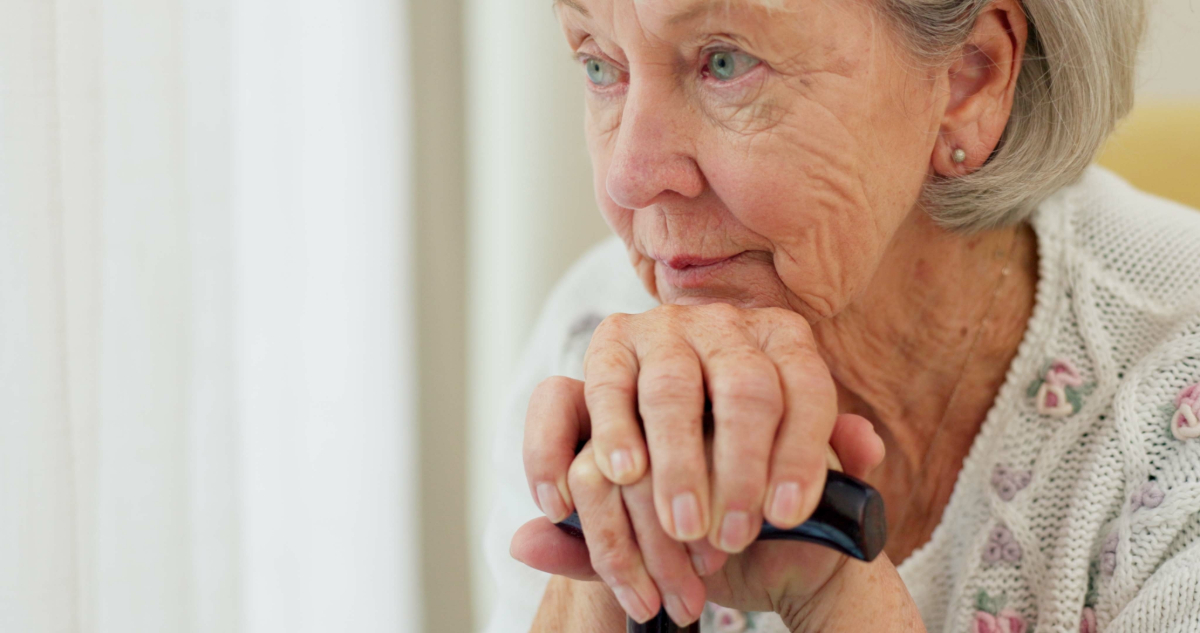
Research shows that aging isn’t a gradual decline – it often happens in bursts. The body can remain stable for years, only to suddenly deteriorate in a relatively short time.
Some animals live far longer than us
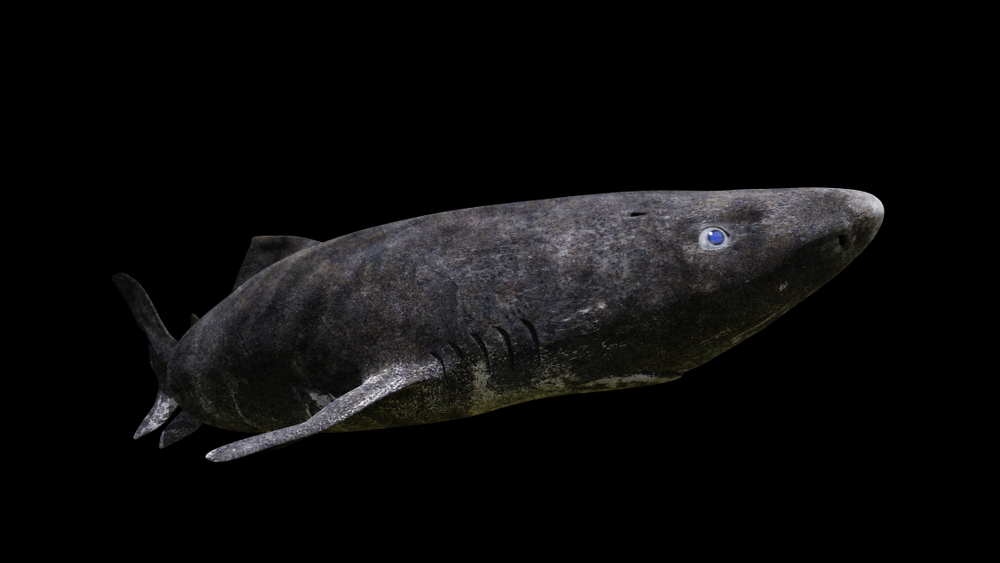
Take the Greenland shark, for instance – it can live up to 500 years. This forces scientists to question why human biology can’t stretch nearly as far.
Dogs reveal the cruelty of aging

Flat-faced dog breeds, like French bulldogs, live significantly shorter lives than other breeds. It’s a clear example of how biology and genetics impact lifespan.
Scientists are divided on life extension

Some believe future tech and genetic breakthroughs will allow humans to live much longer. Others argue we’re already close to our natural limit – and no miracle fix is coming.
The real limit? 120 years – and that’s pushing it

According to recent research published in Nature Aging, the idea that humans could radically extend their lifespans is biologically unrealistic – at least in this century.
Scientists argue that even with medical advances and healthier lifestyles, our bodies have a built-in expiration date. The true biological ceiling? Around 120 years.
And while reaching that age is possible, it’s extremely rare and unlikely to become the norm. Forget immortality – this might be as far as we go.
This article is based on information from Videnskab.dk
This article is made and published by Mie Hermansen, who may have used AI in the preparation.