
Getting enough sleep isn’t just about avoiding yawns the next morning. The amount—and quality—of sleep your body needs changes throughout your life.
Whether you’re 5 or 75, here’s what sleep scientists say your body truly needs to recover and recharge.
Newborns (0–3 Months)

Newborns need a lot of sleep—typically between 14 to 17 hours per day. Their bodies and brains are growing rapidly, and sleep is essential for healthy development during these early weeks.
Infants (4–11 Months)

Babies in this stage usually require 12 to 16 hours of sleep daily, including naps. Establishing a gentle routine around naps and nighttime sleep can help set lifelong patterns.
Toddlers (1–2 Years)

Young children need 11 to 14 hours of sleep each day. This includes one or two daytime naps. A consistent bedtime and calming pre-sleep routine can make a big difference.
Preschoolers (3–5 Years)

At this age, kids generally need 10 to 13 hours of sleep per day. As naps begin to phase out, it’s even more important to maintain steady bedtimes.
School-Age Children (6–12 Years)

Children in this age group need 9 to 12 hours of sleep per night. Lack of sleep can impact concentration, mood, and learning ability at school.
Teenagers (13–18 Years)

Teens need 8 to 10 hours of sleep, though many get less due to screen time, homework, and social schedules. But the teenage brain and body require solid rest to function optimally.
Adults (18–60 Years)

Most adults should aim for at least 7 hours of sleep each night. Sleep impacts everything from memory to metabolism, and chronic lack of it increases risk for long-term health issues.
Older Adults (60+ Years)

Adults over 60 still need 7 to 9 hours of sleep. Sleep patterns may change with age, but that doesn’t mean the body needs less sleep—only that sleep may be more fragmented.
Find Your Personal Sleep Sweet Spot
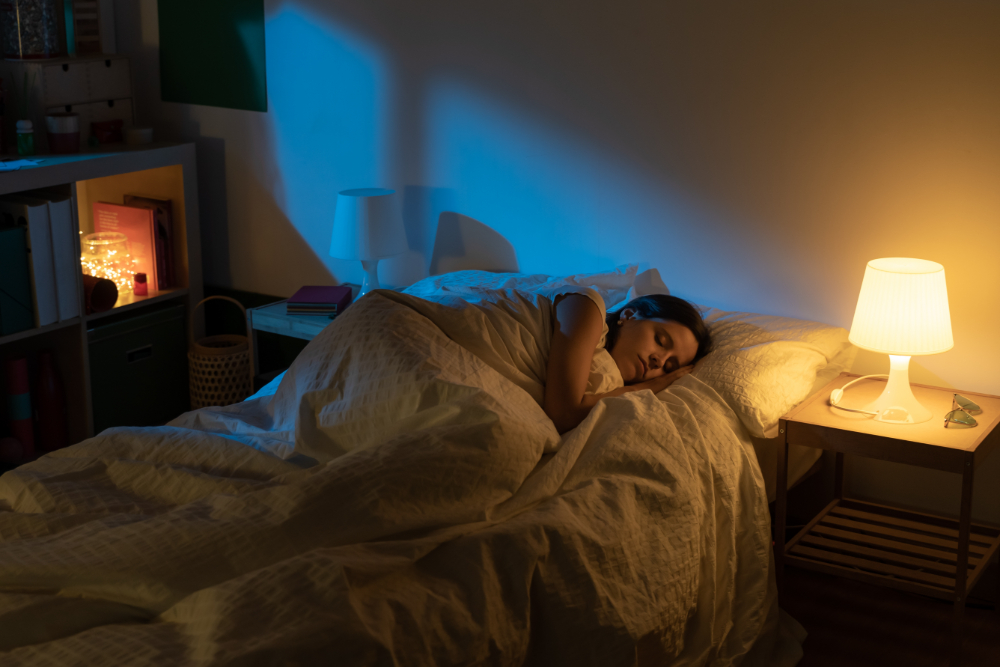
Do you feel refreshed after 7 hours? Or do you need more when you’re stressed or physically active? Your lifestyle, health status, and daily energy output all influence how much sleep you truly need.
It’s Not Just About Hours—Quality Matters

You can sleep for 8 hours and still wake up tired if your sleep is interrupted or shallow. For deep, restorative rest, prioritize a quiet, dark room, reduce screen time before bed, and keep a consistent sleep schedule.
Article is based on information from Glamour
This article is made and published by Mie Hermansen, who may have used AI in the preparation.