
Asthma is often linked to pollen and dust, but many ordinary things at home and in daily life can also irritate the airways. Several of these triggers may go unnoticed until symptoms begin to worsen.
Pets can affect the airways

Proteins from animals can be found in fur, skin, urine, and saliva. In people with allergies, this may lead to irritation and asthma symptoms.
Strong scents can cause irritation
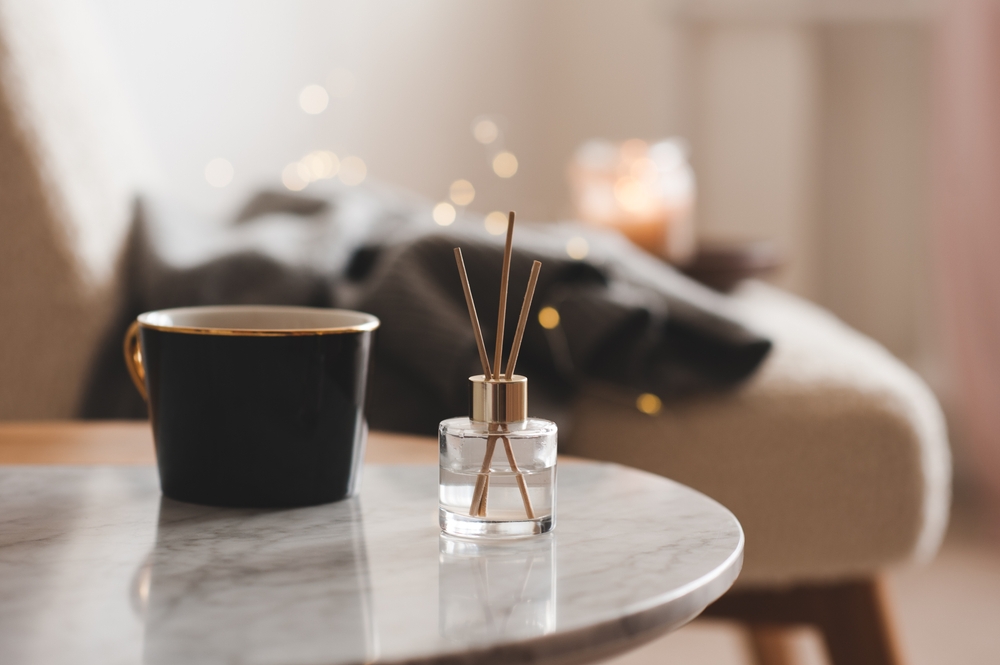
Perfume, cleaning products, and other heavily scented items may irritate the airways and make symptoms more noticeable.
Household chemicals may be irritating
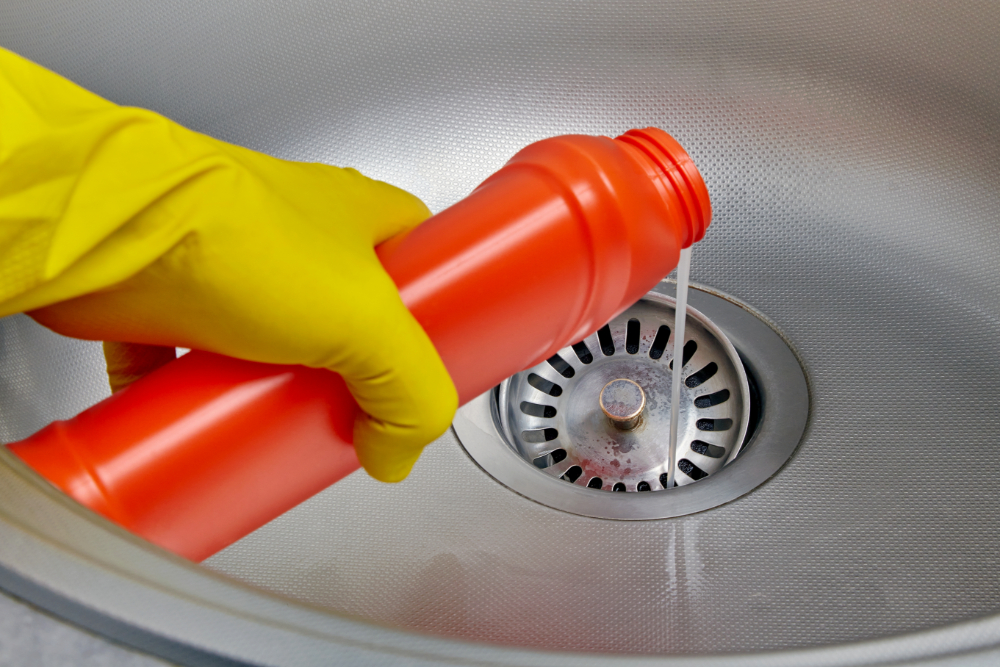
Products such as paint, cleaning supplies, cosmetics, and air fresheners can affect people with sensitive airways.
Also read: Scientists link workplace exposure to higher autism risk
Cold air can create problems

Dry and cold winter air may irritate the lungs and lead to increased discomfort for people with asthma.
High temperatures may affect breathing
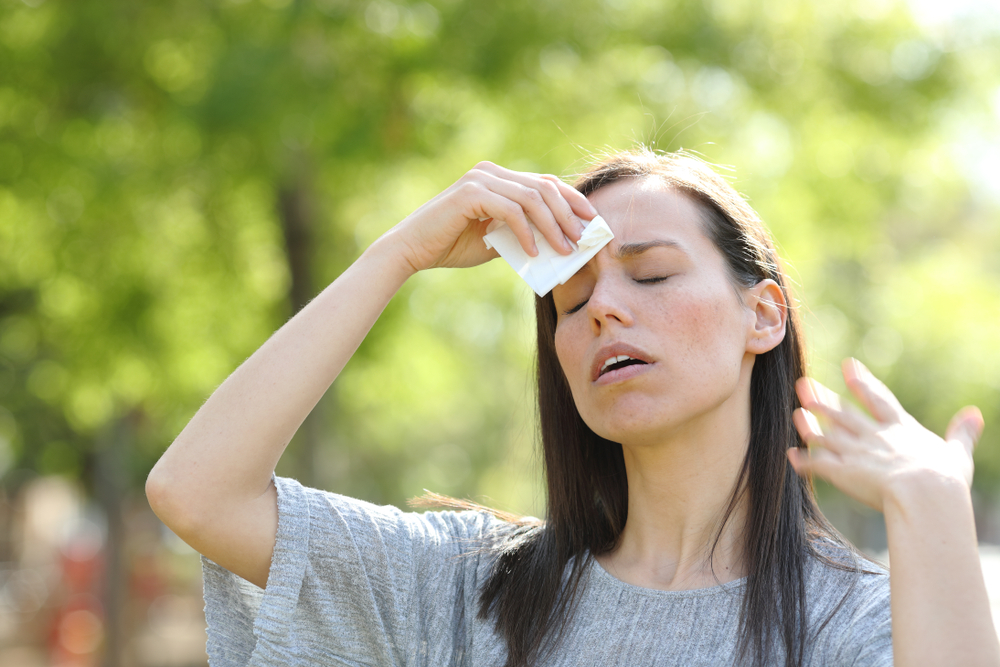
Hot and humid air can make breathing more difficult while also increasing the amount of pollution and allergens in the air.
Smoke residue can linger indoors

Chemicals from cigarette smoke can remain in carpets, furniture, cars, and clothing long after the cigarette has been extinguished.
Insect stings can trigger symptoms

Bees, wasps, hornets, and fire ants may create problems for people with allergies and asthma.
Also read: Is it okay to eat an egg every day? Experts have the answer
Nitrogen dioxide can irritate the lungs

The gas is found in appliances that burn gas, kerosene, or wood and may affect both the throat and airways.
Stress can affect the body physically
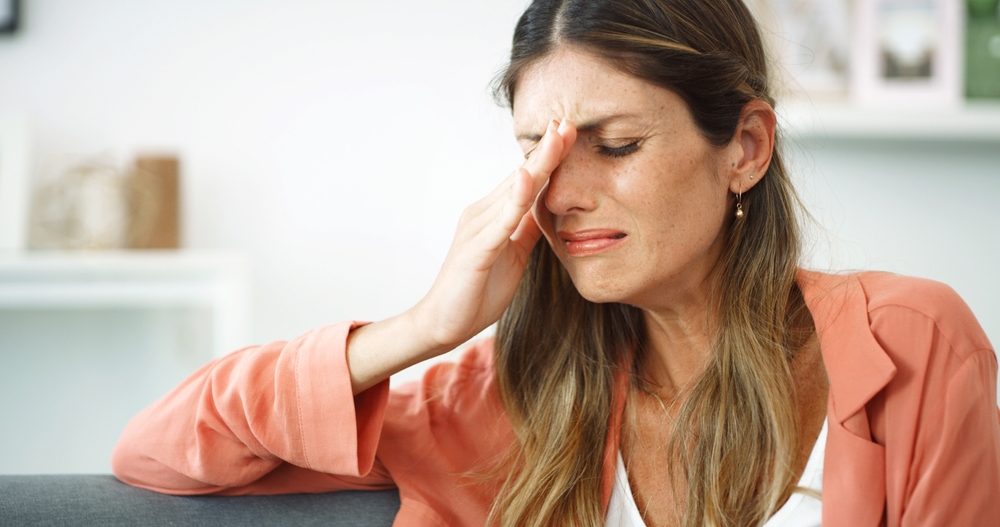
People with asthma may experience more chest tightness and shortness of breath during periods of high stress or anxiety.
Smoke can build up in homes and cars

Places where smoking occurs may continue to contain particles and chemicals that can affect people with asthma.
Also read: Donald Trump: This medicine could 'bring people back to life'
Also read: Green tea may reduce the risk of heart disease – here’s how many cups you should drink
This article is made and published by Mie Hermansen, who may have used AI in the preparation.