
Craving sugar is completely normal, but it’s often more about your brain’s reward system than actual hunger. Sweet treats trigger hormones that make us feel good – but what can we do to reduce the cravings?
Start with a Healthy Snack
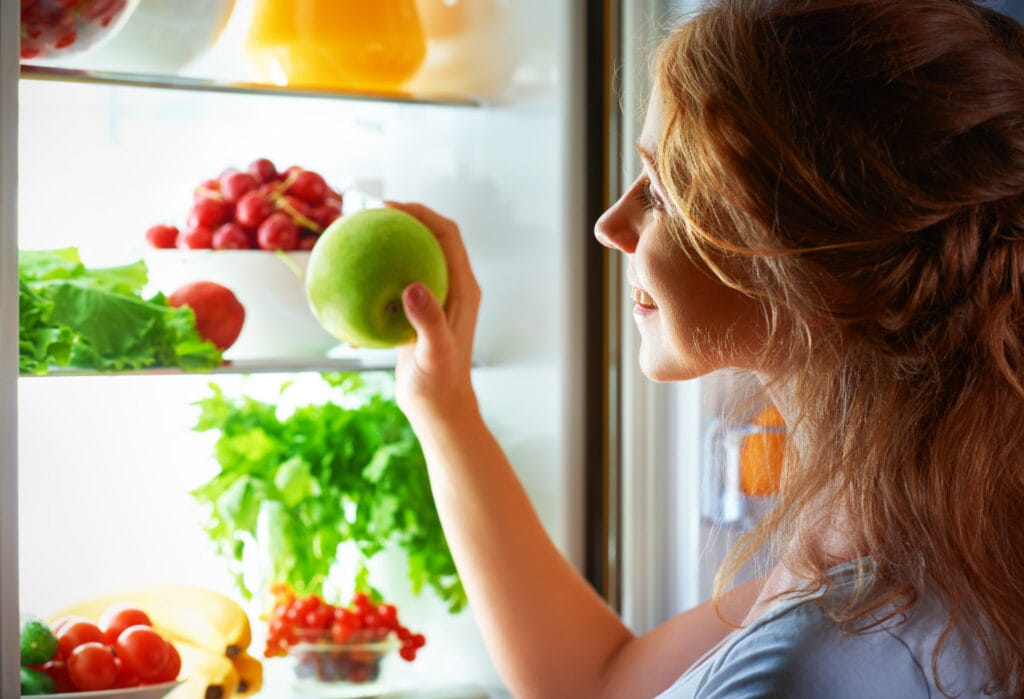
If you haven’t had a proper meal, hunger can fuel your sugar cravings. Try a protein-rich snack like a handful of nuts or some yogurt to satisfy your hunger and curb your sweet tooth.
Avoid Triggers

Identify what triggers your sugar cravings and remove the temptations. If chocolate while watching TV is an issue, keep a bowl of fruit nearby, or store cookies and candy out of sight.
Take a Walk

A walk can release endorphins, the body’s “feel-good” hormones. This can reduce sugar cravings and provide a healthy distraction from the kitchen.
Drink a Glass of Water
Dehydration is often mistaken for sugar cravings. Drink a glass of water and wait a moment – it might be all you need to dampen the urge for something sweet.
Take a Warm Bath

A long, warm bath can help you relax and reduce stress. It also boosts hormones like dopamine and serotonin, which can lessen sugar cravings and emotional eating.
Distract Yourself

Do you feel bored when sugar cravings hit? Shift your focus by reading a book, engaging in a hobby, or chatting with a friend. It can help take your mind off sweets.
Get Enough Sleep
Lack of sleep can disrupt the hormones that control your appetite, increasing your sugar cravings. A good night’s sleep helps regulate these hormones, making it easier to make healthier choices.
Eat at Regular Intervals

Eating regularly helps stabilize your blood sugar levels and reduce sugar cravings. Skipping meals can lead to stronger cravings later in the day.
Manage Stress

Stress or emotional challenges can drive you to seek comfort in sugar. Consider talking to someone or finding healthier ways to cope with stress that don’t involve food.
Treat Yourself in Moderation
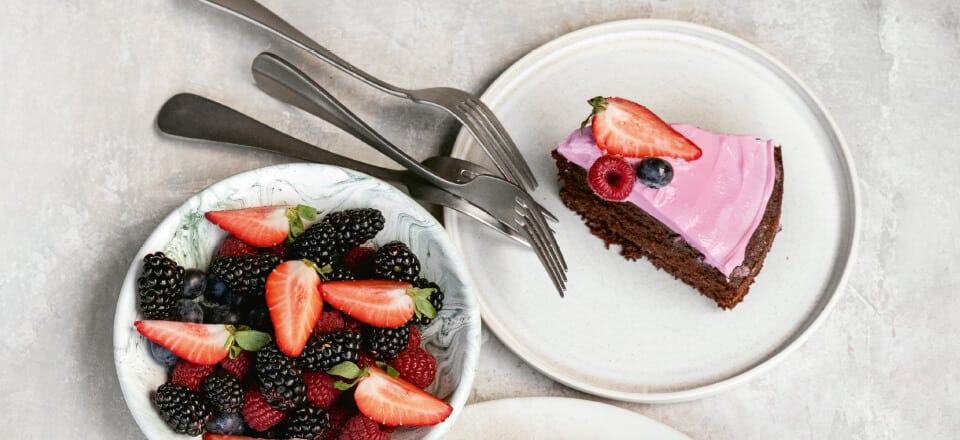
It’s okay to enjoy a sweet treat occasionally. Completely denying yourself sugar can lead to stronger cravings. A small portion can help you maintain balance.
Small Changes Make a Big Difference

Taking control of your sugar cravings is about making small adjustments in your daily life. With these tips, you can find balance and avoid letting sugar dictate your choices.
This article is based on information from Medical Daily.
This article is made and published by Mie Hermansen, who may have used AI in the preparation.