
Can you stand on one leg for at least 30 seconds? If not, it could be a sign that your body is aging faster than it should.
A new study suggests that balance is one of the best indicators of how well you are aging. Here are 10 key points about the importance of balance—and how you can improve it.
Balance Deteriorates Faster Than Strength
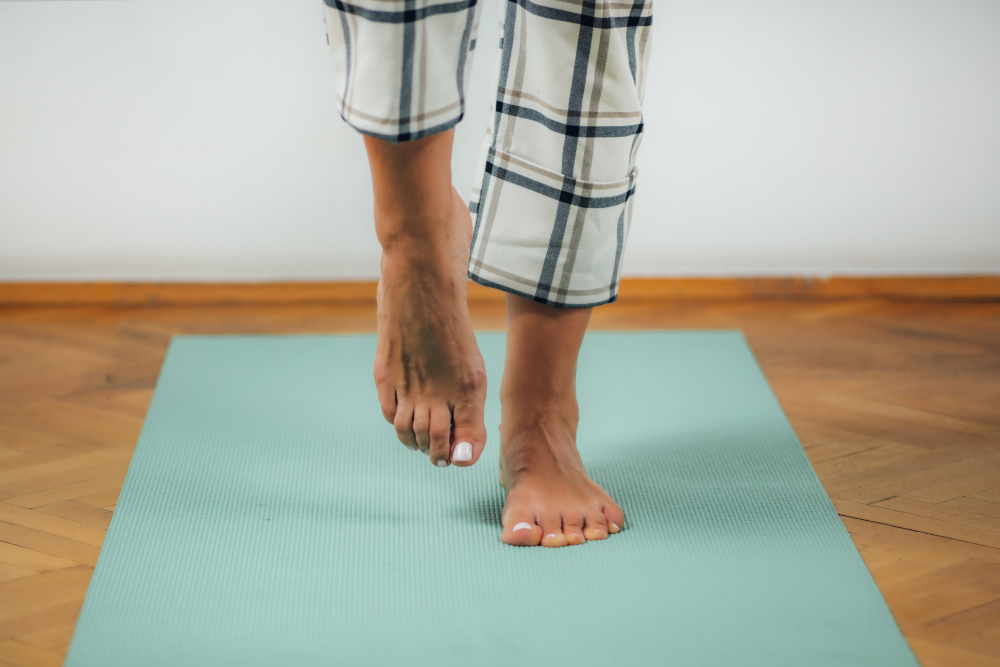
As we age, our balance weakens more rapidly than our muscle strength or walking speed. This means that even if you have strong muscles, poor balance can still put you at risk of falling.
Falls Are a Major Health Risk
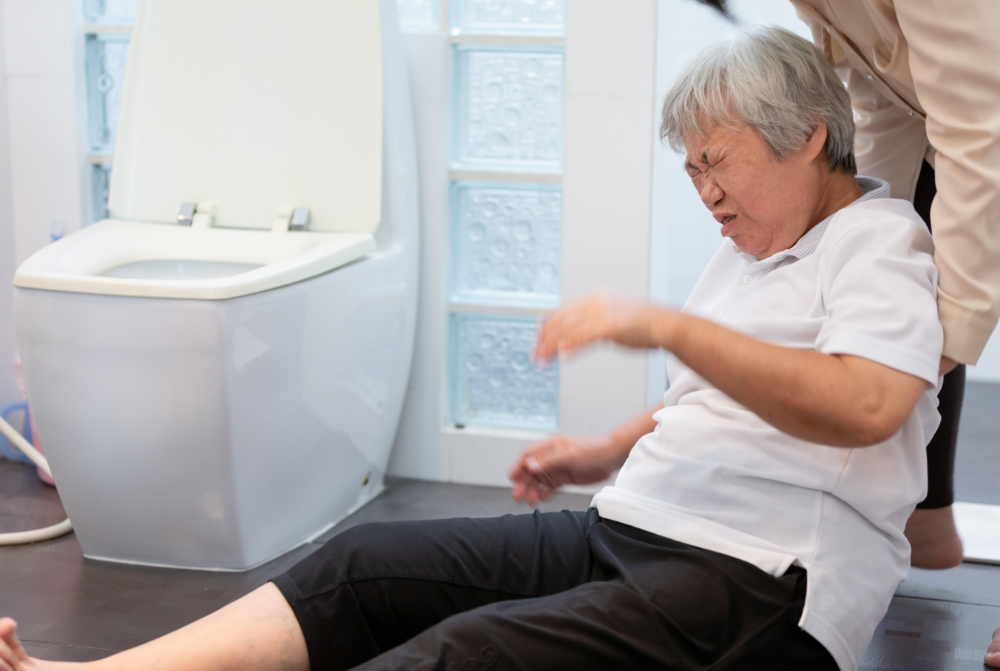
According to researchers, falling is one of the biggest risks for older adults. It can lead to serious injuries like hip fractures, which significantly reduce quality of life—or, in severe cases, become life-threatening.
30 Seconds on One Leg Is a Good Benchmark
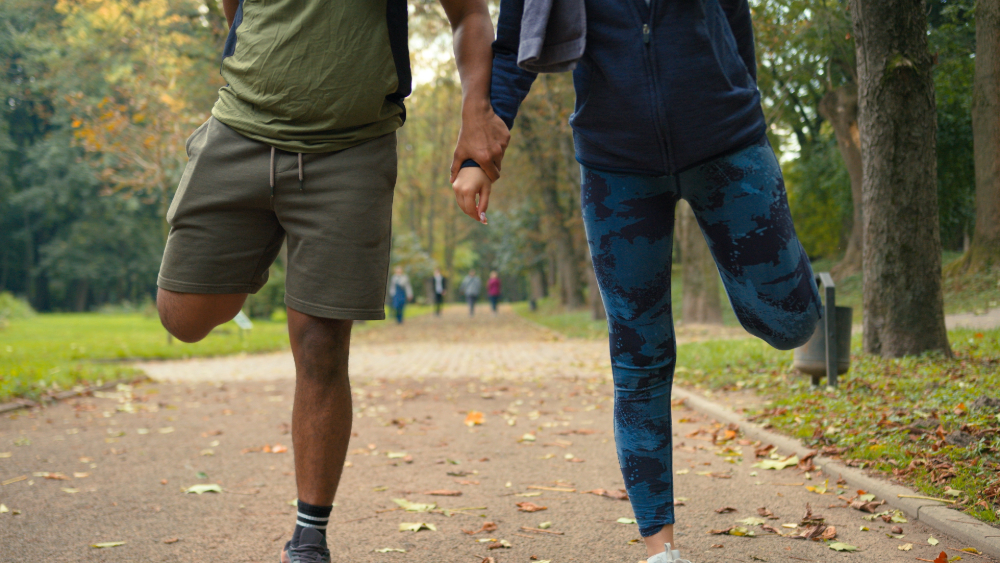
The study found that if you can stand on one leg for 30 seconds or more, your balance is in good shape for your age. If you struggle to maintain balance, it may be a sign that you need to work on your stability.
Your Non-Dominant Leg Tells the Most
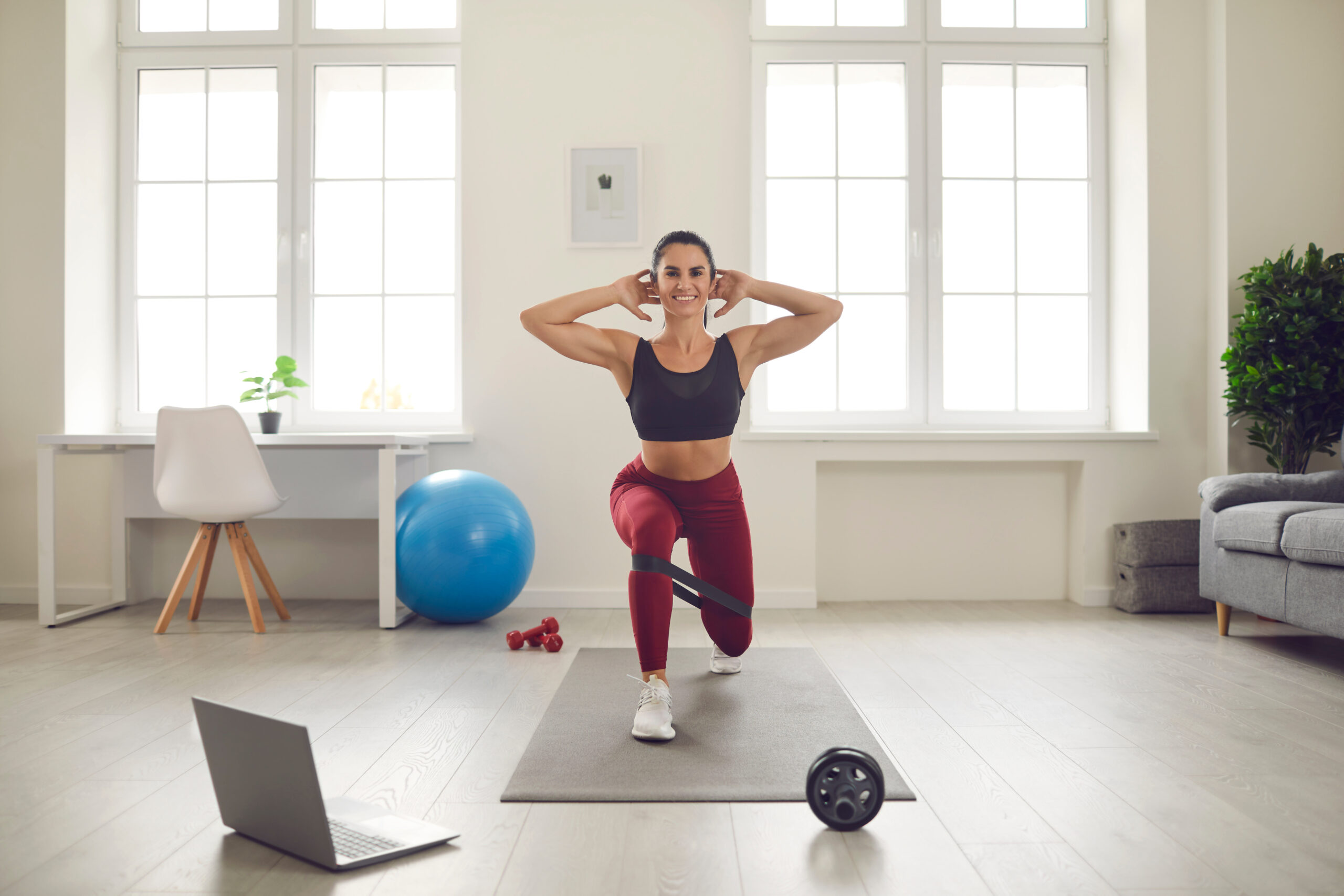
Researchers discovered that the ability to balance on your non-dominant leg is a better indicator of aging than walking speed or muscle strength. So, this is the leg you should use for self-testing.
We Lose Balance Ability Every Year
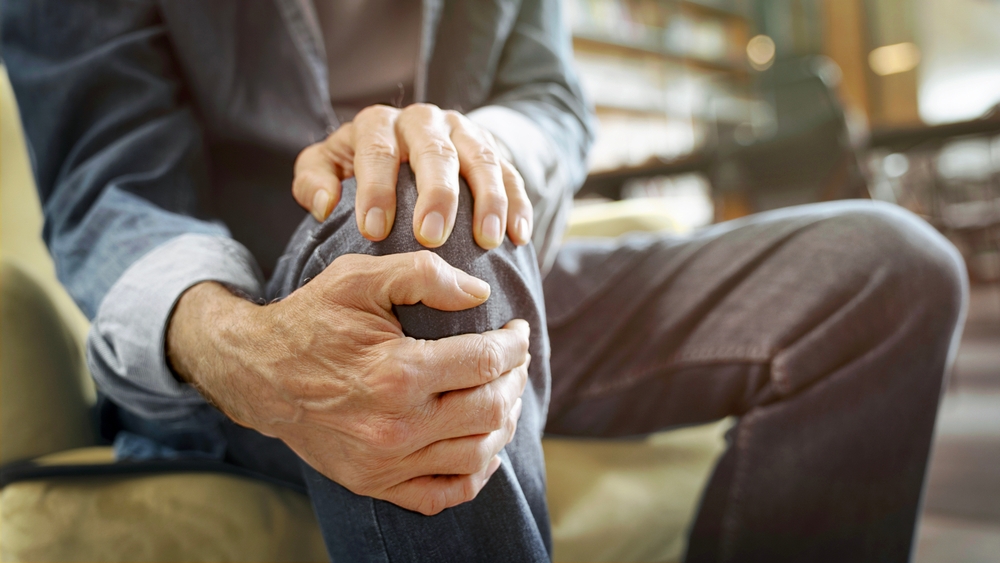
As we get older, our ability to balance declines. The study found that, on average, balance time decreases by about two seconds per year, regardless of gender.
Balance Relies on Multiple Systems in the Body
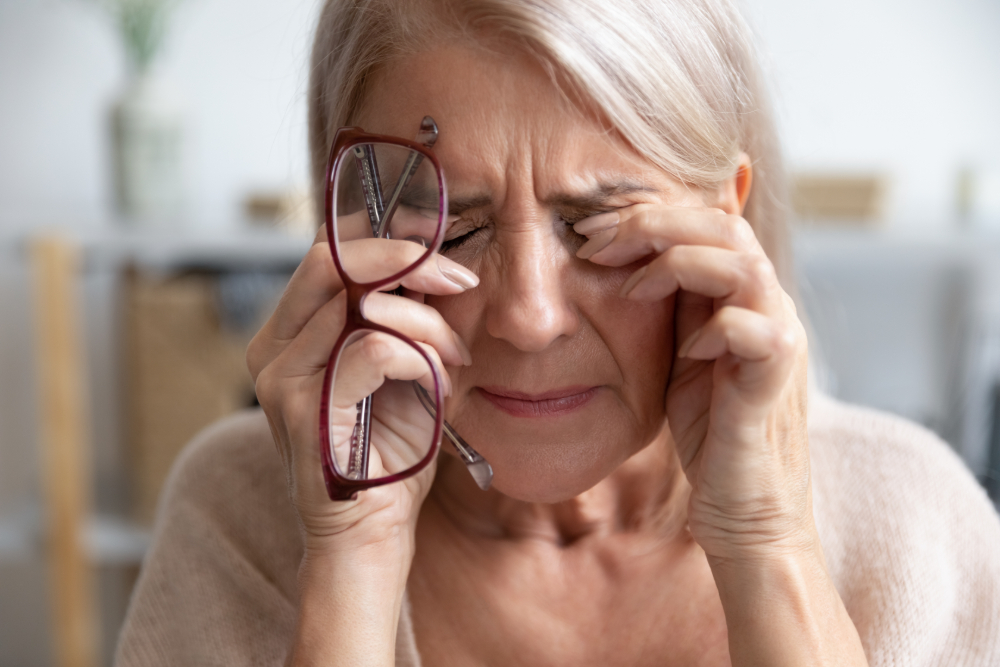
Good balance requires more than just strong legs. Your vision, vestibular system in the inner ear, and body’s sensory awareness all work together to keep you steady. If any of these weaken, your balance suffers.
Fear of Falling Can Create a Negative Cycle
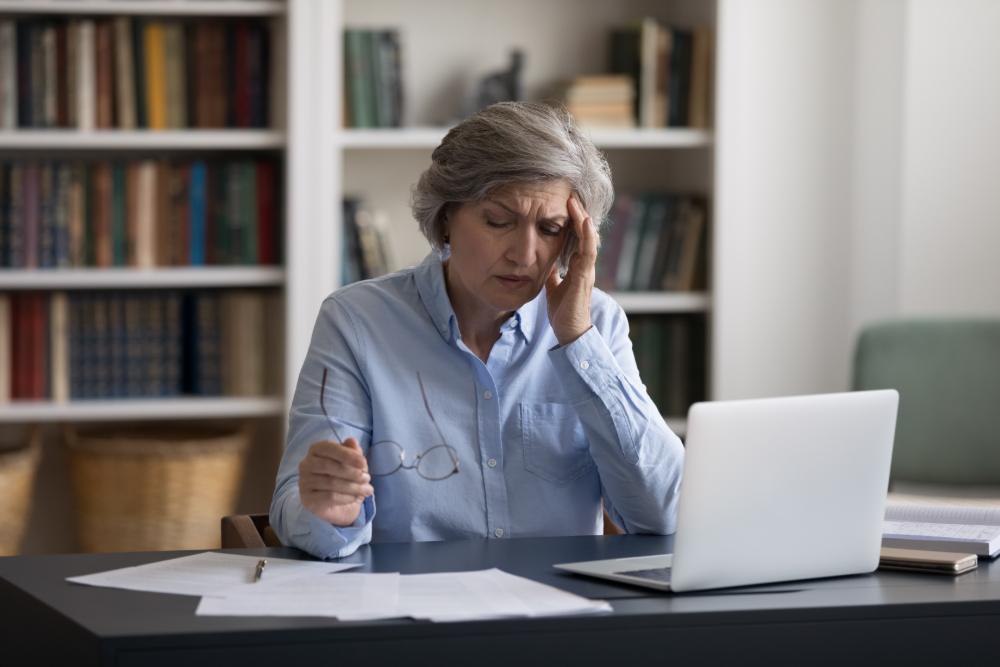
Many older adults who experience a fall become fearful of falling again. This often leads to reduced physical activity, which further weakens balance and increases the risk of future falls.
You Can Train Balance at Home—No Equipment Needed
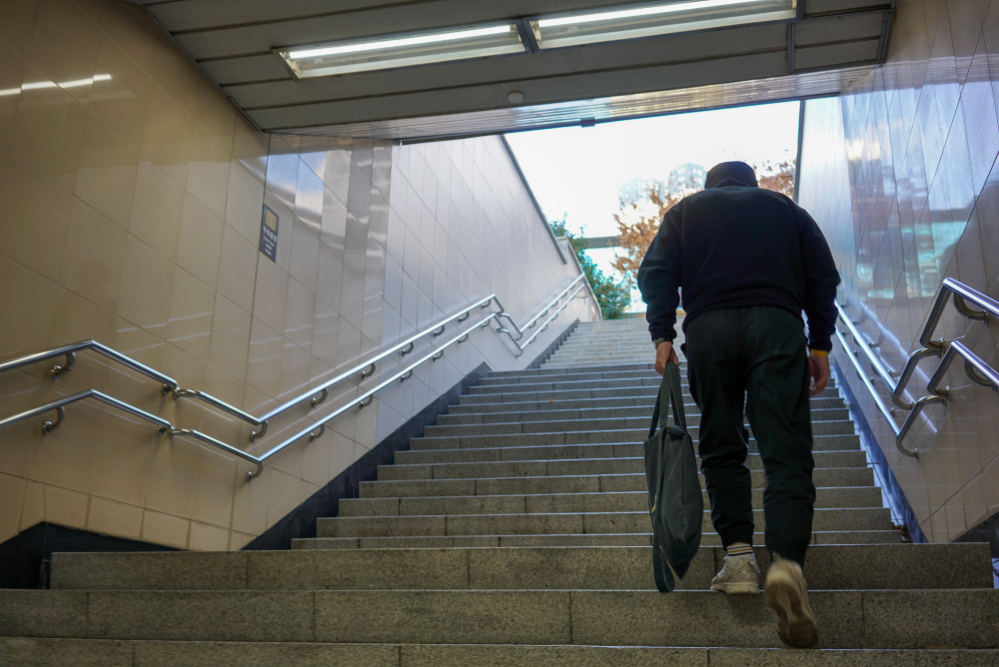
You don’t need a gym or special equipment to improve your balance. Try standing on one leg while brushing your teeth or take the stairs instead of the elevator to strengthen stability.
The Sit-to-Stand Test Is Another Great Indicator
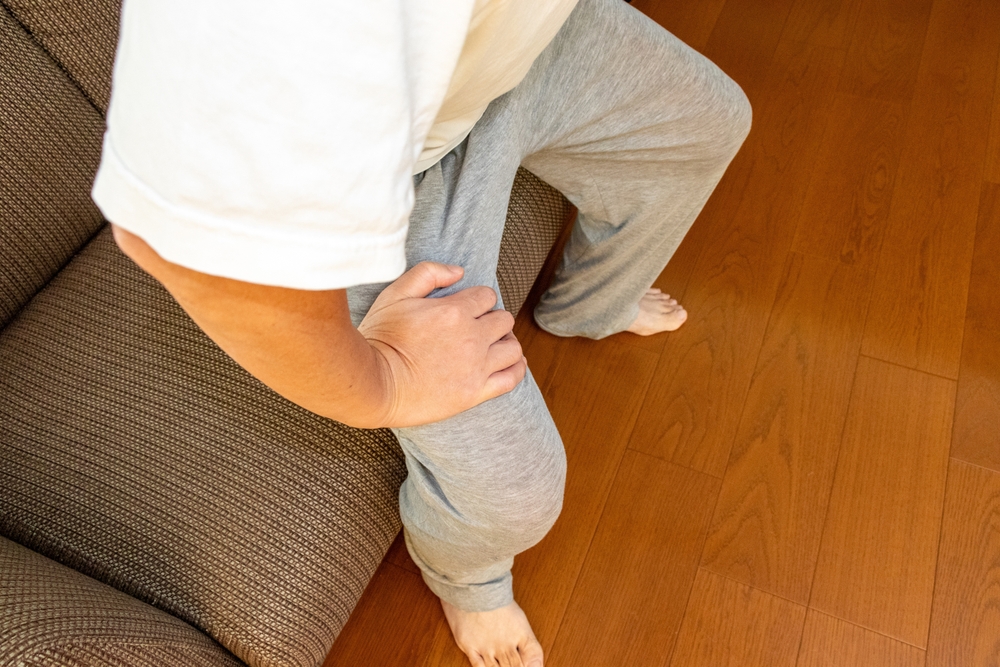
A professor suggests that another important test is how easily you can stand up from a chair without using your hands. This exercise evaluates both muscle strength and balance simultaneously.
Use Your Balance—Or Lose It
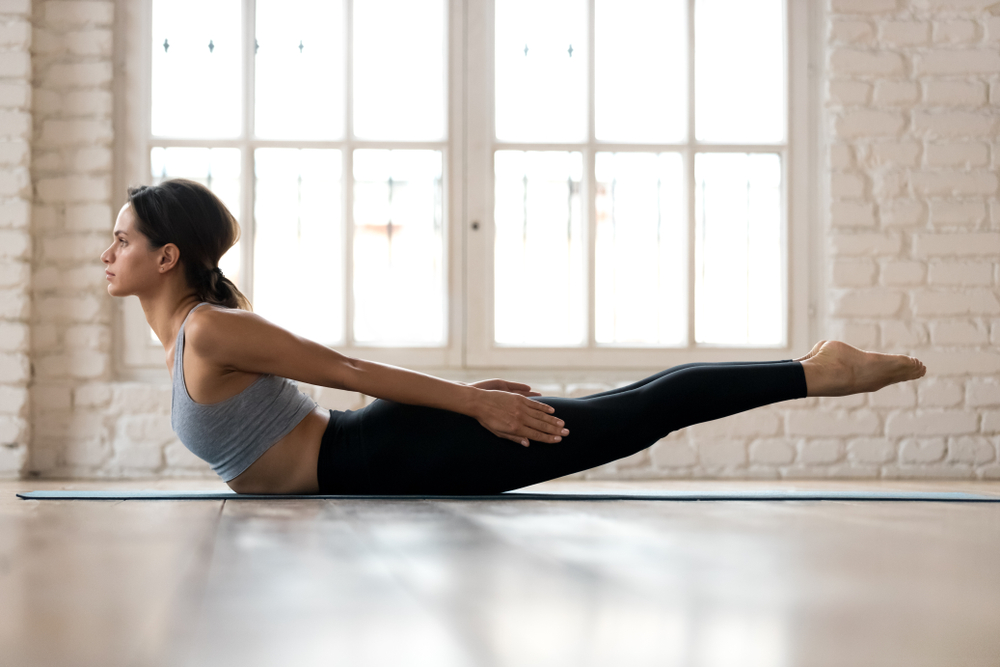
According to researchers, balance is a skill that declines if not practiced. The more you work on it, the better you’ll maintain it—and the higher your chances of staying steady well into old age.
This article is based on information from Faglige Seniorer
This article is made and published by Mie Hermansen, who may have used AI in the preparation.