
Probiotic bacteria, also known as lactic acid bacteria, are naturally present in your gut and play a crucial role in various bodily functions. Here’s how these beneficial microorganisms can improve your overall health.
What Are Probiotic Bacteria?
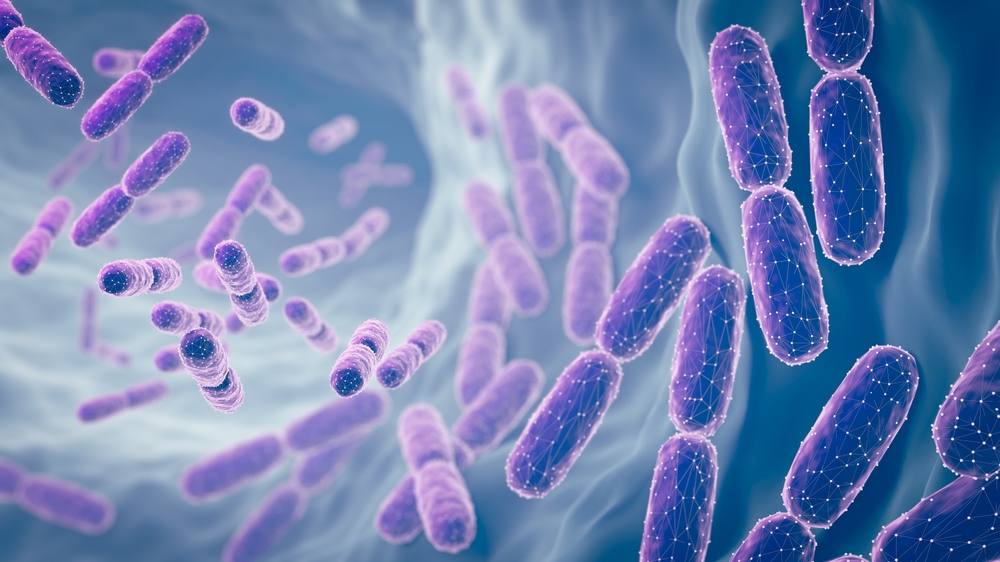
Probiotic bacteria are friendly microorganisms that help maintain a balanced gut microbiome. They aid in food digestion, produce essential compounds, and fight off harmful bacteria.
Boosts Your Immune System

A healthy gut microbiome with abundant probiotic bacteria strengthens immune defenses, making you more resistant to infections and illnesses.
Improves Digestion

Probiotic bacteria help break down food more effectively, reducing bloating, constipation, and diarrhea. They also support gut motility and nutrient absorption.
Reduces Inflammation in the Body

Studies suggest that probiotic bacteria can lower inflammation, which may be beneficial for autoimmune diseases and chronic pain conditions.
Supports Mental Health
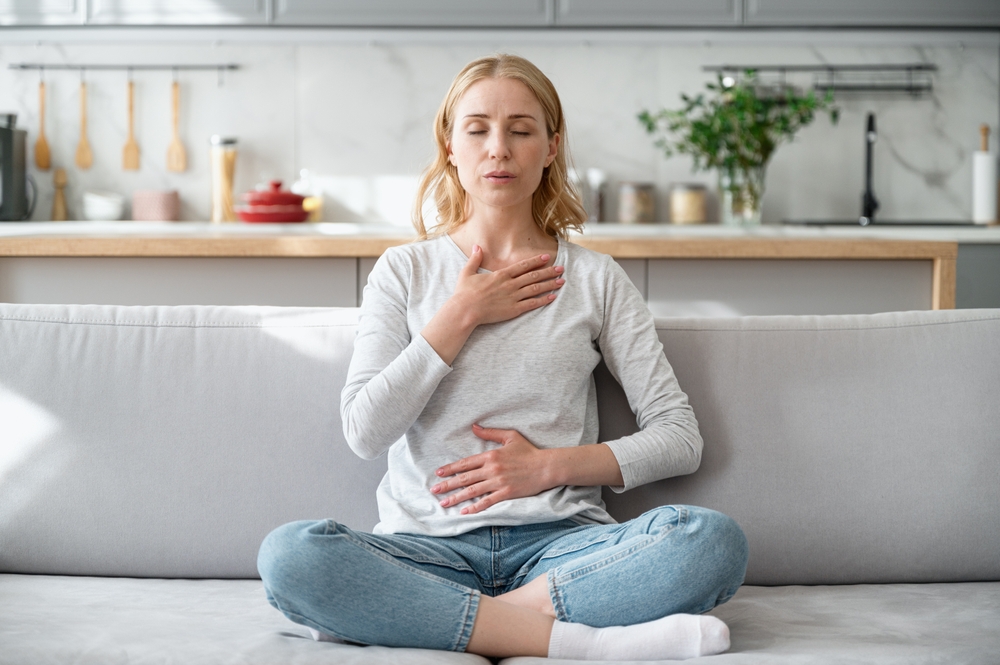
The gut and brain are closely linked. Probiotic bacteria can reduce stress, anxiety, and depression by influencing neurotransmitter production and gut-brain communication.
Enhances Skin Health
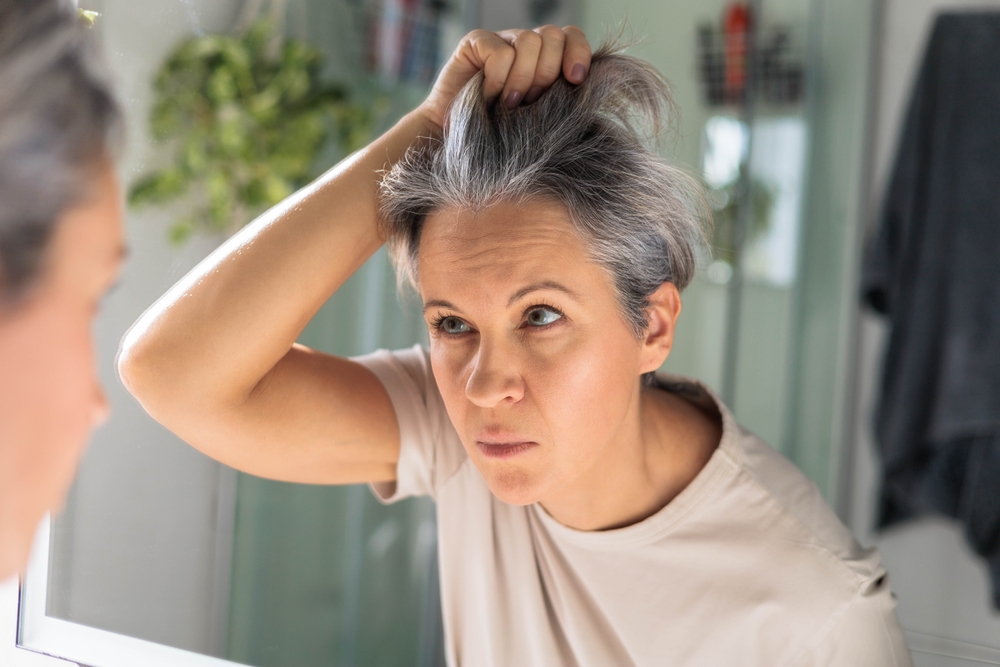
A well-balanced gut microbiome may help reduce skin conditions like acne, eczema, and rosacea by decreasing systemic inflammation.
Increases Nutrient Absorption

Probiotic bacteria improve the body’s ability to absorb calcium, magnesium, and B vitamins, which are essential for bone health, energy production, and overall well-being.
Protects Against Harmful Bacteria
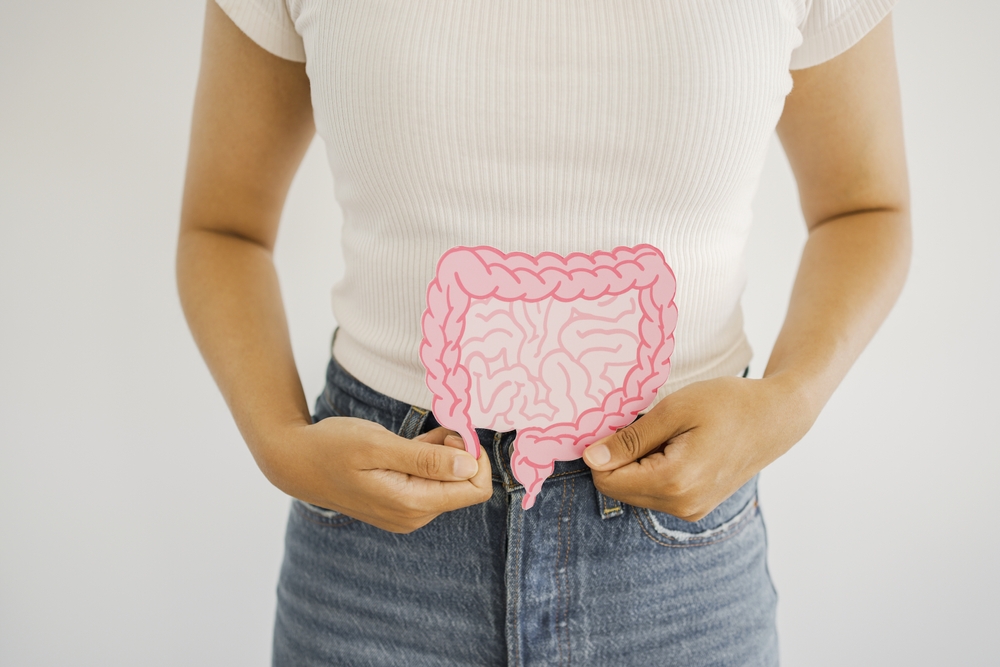
Good bacteria compete with harmful bacteria in the gut, reducing the risk of infections caused by salmonella, E. coli, and other pathogens.
Restores Gut Health After Antibiotics

Antibiotics wipe out both good and bad bacteria in the gut. Taking probiotics after an antibiotic course helps restore balance and prevent digestive issues.
Should You Take Probiotic Supplements?
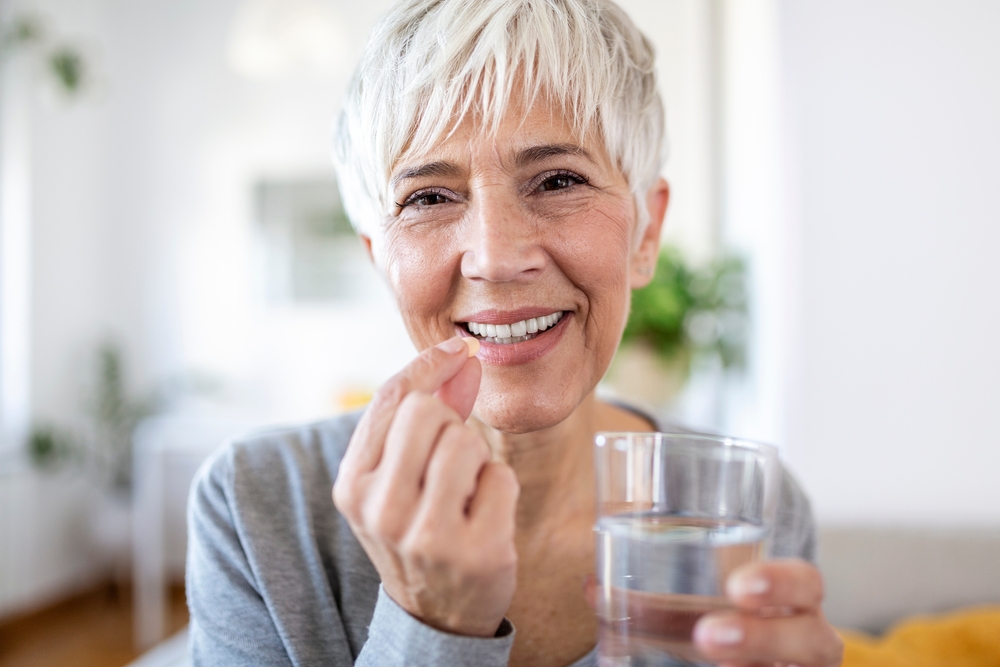
It depends on your lifestyle and health needs. If you frequently experience digestive problems, have taken antibiotics, deal with stress, or suffer from skin conditions, probiotics may be beneficial. However, if you eat a diverse diet rich in fiber and fermented foods, you naturally get probiotics from your meals.
The article is based on information from iForm.
This article is made and published by Mie Hermansen, who may have used AI in the preparation.