
Yawning is something we all do—but why? It’s a question that continues to puzzle both scientists and curious kids. While the mystery remains unsolved, there are plenty of fascinating theories behind this contagious behavior.
We Still Don’t Know Why
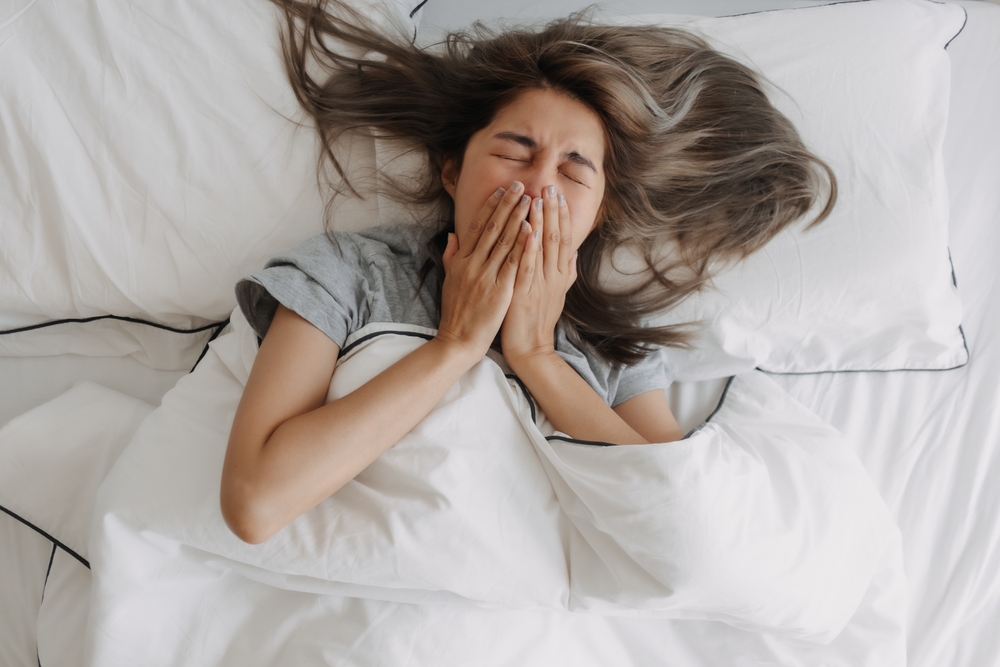
According to sleep specialist Poul Jennum, yawning remains one of science’s unsolved mysteries. Despite decades of research, there’s still no definitive answer to why we do it.
It’s Not About Sleep
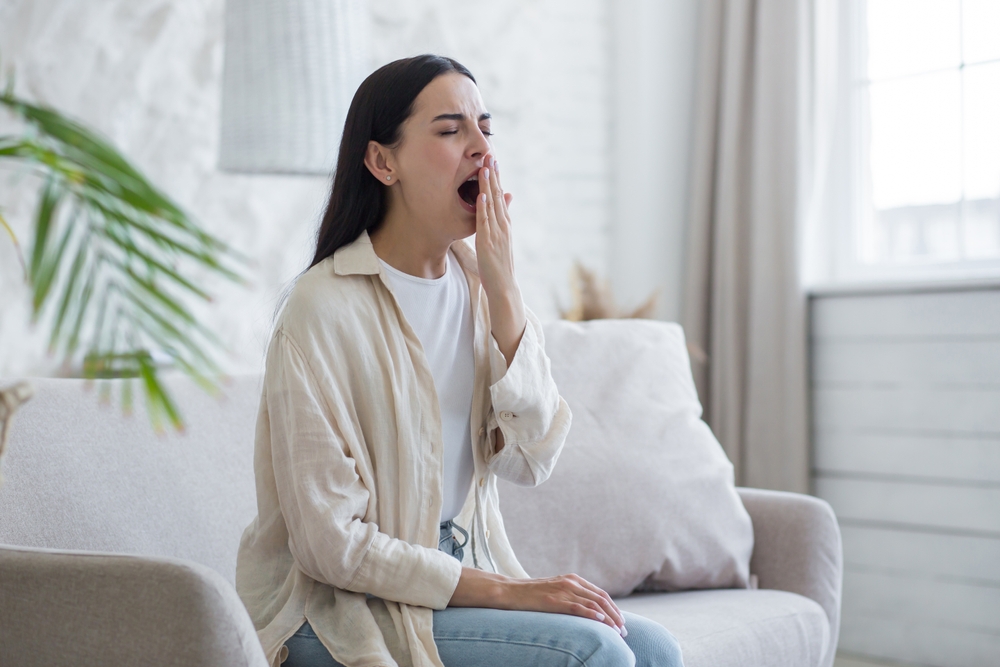
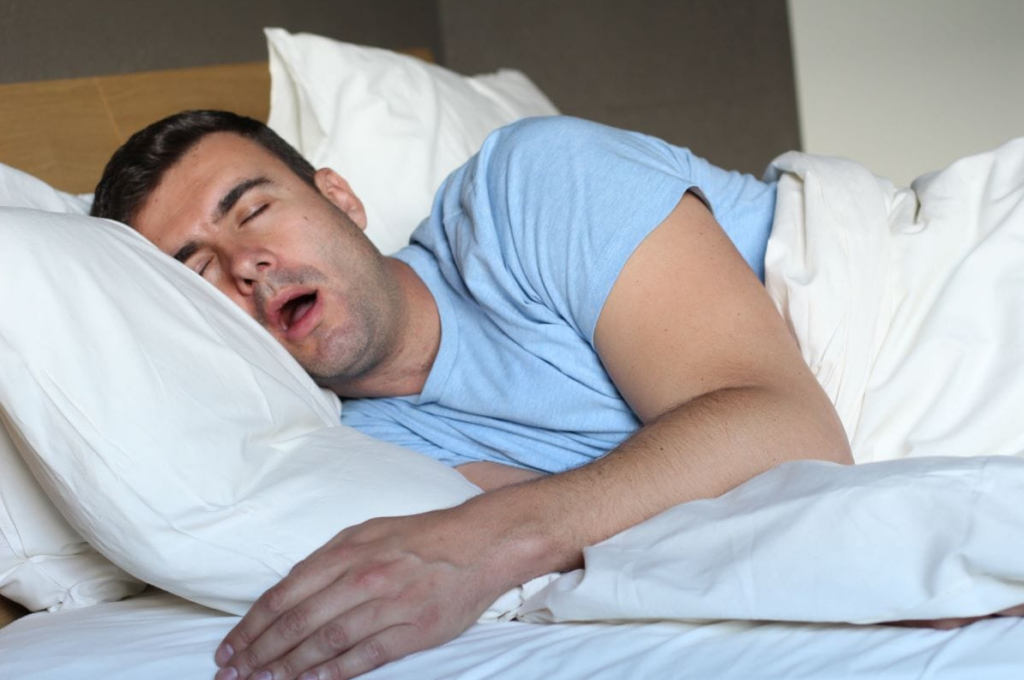
Although yawning is linked to feeling sleepy, we don’t actually yawn during sleep. It occurs in the transitional moments between wakefulness and drowsiness—not while we’re fully asleep.
A Stretch Reflex for the Face
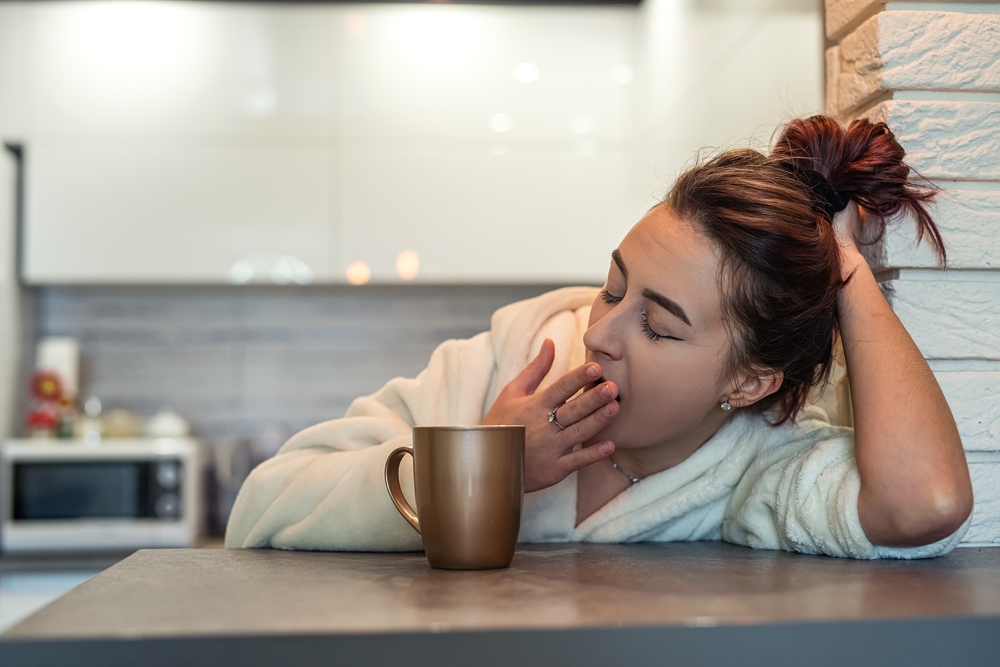
Yawning acts like a stretch for the face, similar to how we stretch our legs after sitting still. When we yawn, we stretch facial muscles, especially the jaw—almost like a wake-up call for the body.
Dopamine Boosts the Feel-Good Factor
Yawning releases dopamine in the brain—the same “feel-good” chemical that gives us pleasure and satisfaction. This may explain why yawning can feel oddly satisfying.
Yawning Is Contagious
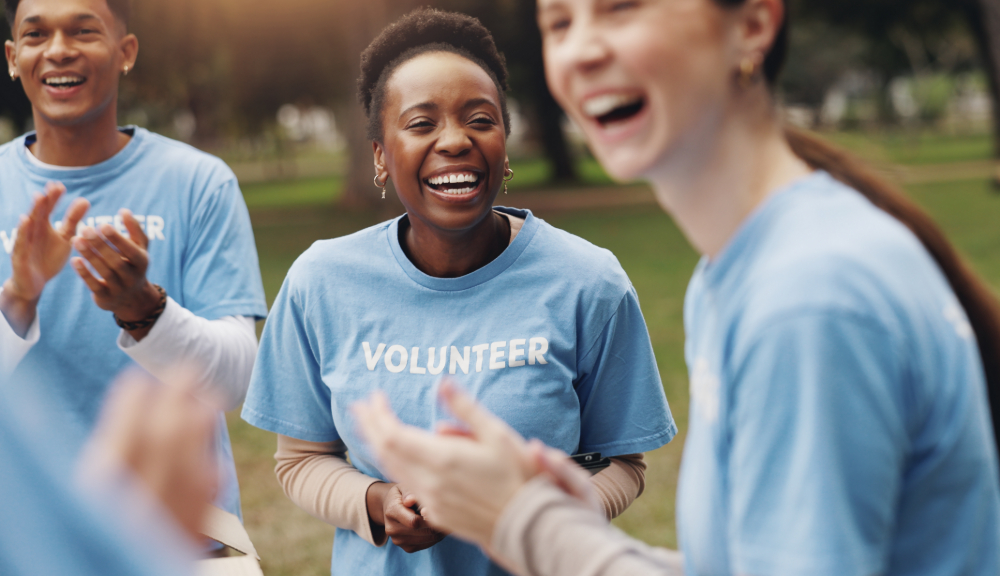
Just like smiles and laughter, yawning can spread from person to person. Scientists still don’t fully understand why, but it’s believed to have had an important social function in human evolution.
Parkinson’s Patients Stop Yawning
People with Parkinson’s disease lose the ability to produce enough dopamine—and they also stop yawning. This shows just how closely yawning is tied to brain chemistry.
It Might Increase Brain Blood Flow
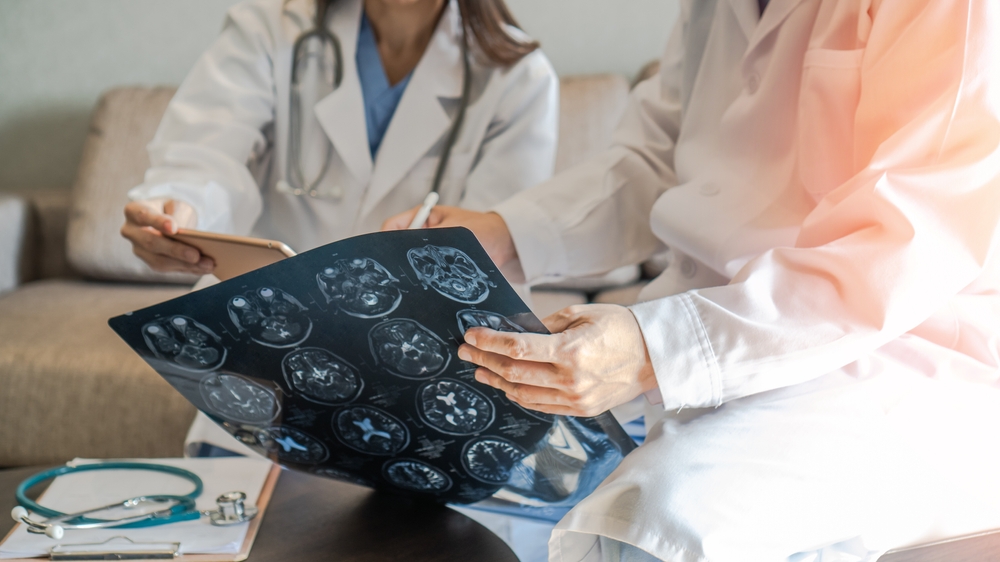
One theory suggests that yawning boosts blood flow to the brainstem, possibly giving us a jolt of energy and improving alertness when we’re feeling sluggish.
Animals Use Yawning as a Warning
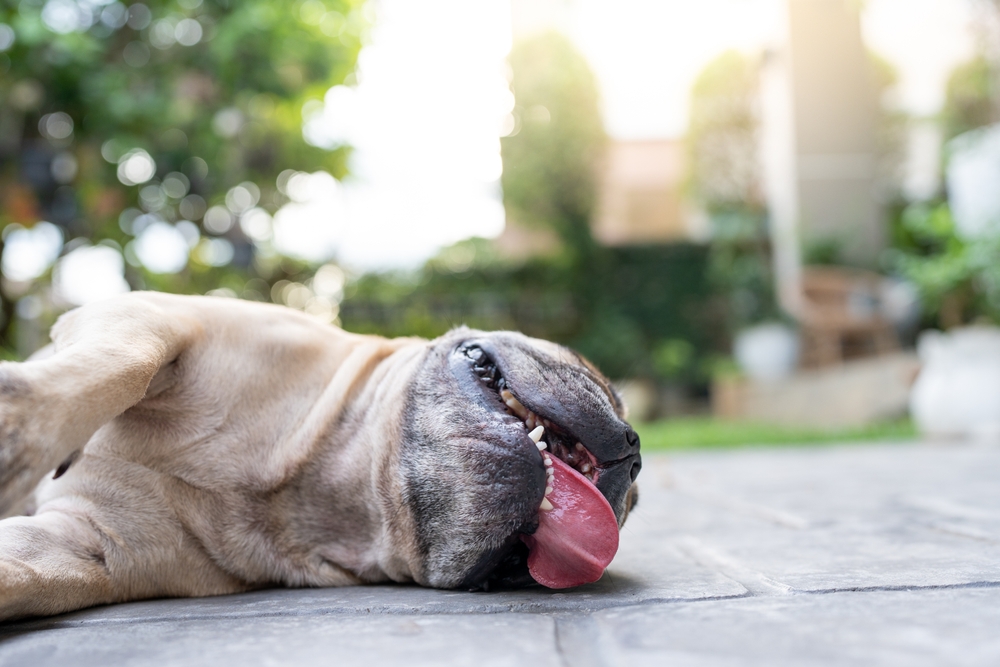
In the animal world, yawning can be a show of strength. Baboons and guinea pigs use yawns to assert dominance or intimidate rivals, while some fish do it right before attacking.
Penguins Yawn to Flirt
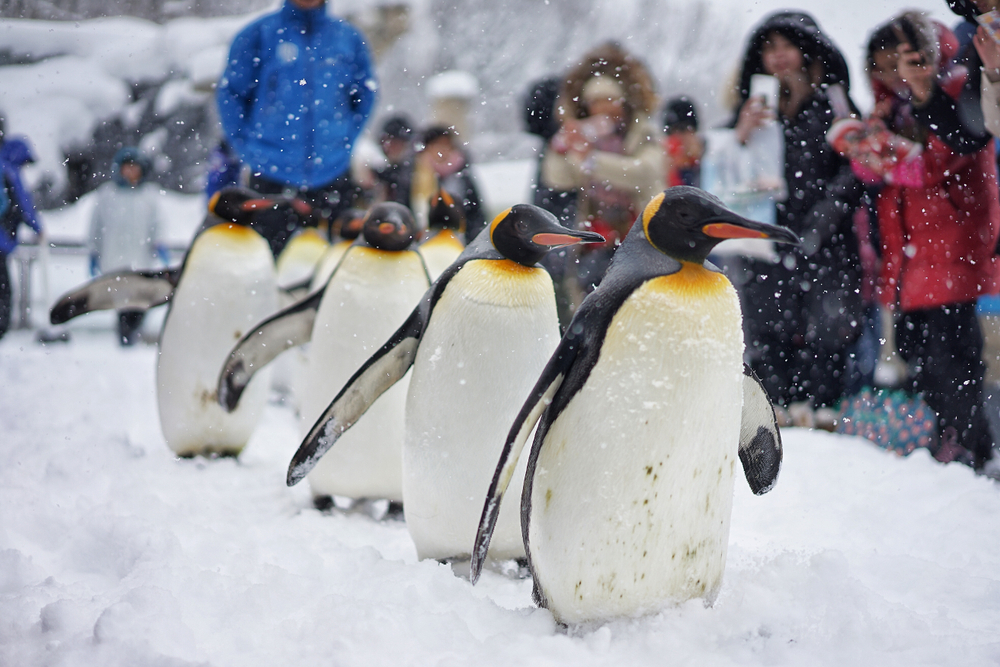
Not all yawns are aggressive. Among penguins, yawning is part of the mating ritual—a way to attract a partner, not ward off enemies.
This article is based on information from Videnskab.dk.
This article is made and published by Mie Hermansen, who may have used AI in the preparation.