
Rice is one of the most widely consumed foods in the world and plays a crucial role in many diets.
But with so many varieties available, how do you know which one is the healthiest?
Here’s a breakdown of the most nutrient-rich rice types to help you make the best choice for your well-being.
Packaged rice mixes

Many pre-packaged rice blends contain high amounts of sodium and added sugars. If you opt for a packaged mix, check the ingredients list to avoid unnecessary additives.
Can cooled rice be healthier?
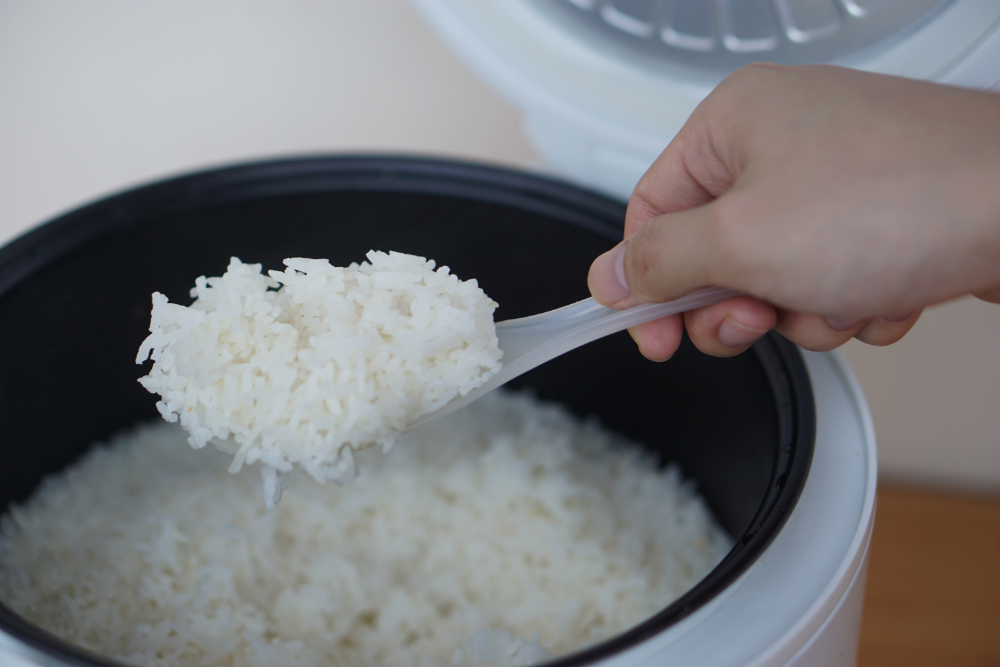
Yes! When white rice is cooled after cooking, it forms resistant starch, a type of fiber that helps lower blood sugar spikes.
This can be beneficial for those managing their blood sugar levels.
White rice
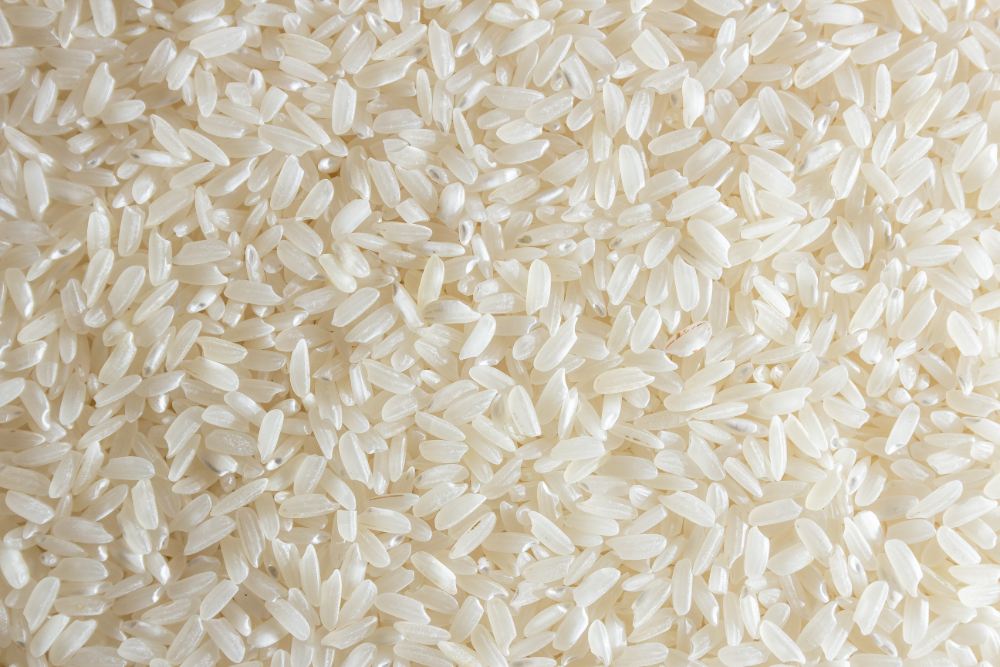
White rice is the most processed variety, with both the bran and germ removed.
It has less fiber and antioxidants but is often enriched with B vitamins and iron.
While it has a higher glycemic index, pairing it with vegetables and proteins can make it a healthier choice.
Brown rice
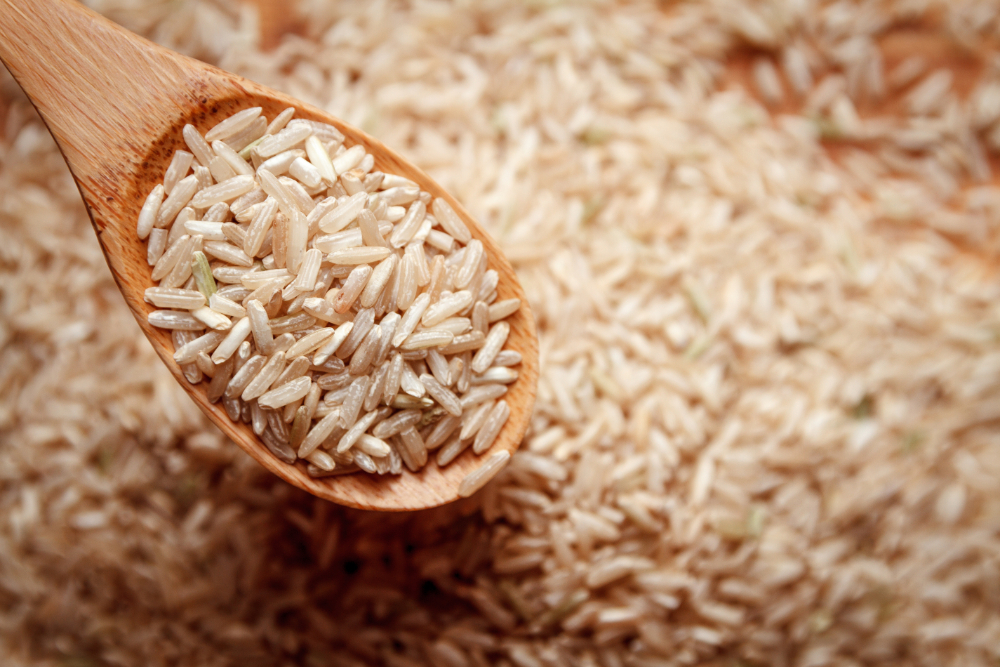
Brown rice is a whole grain that retains its bran and germ, making it high in fiber and nutrients.
It contains flavonoids, which have been shown to protect against heart disease and certain types of cancer.
Black rice
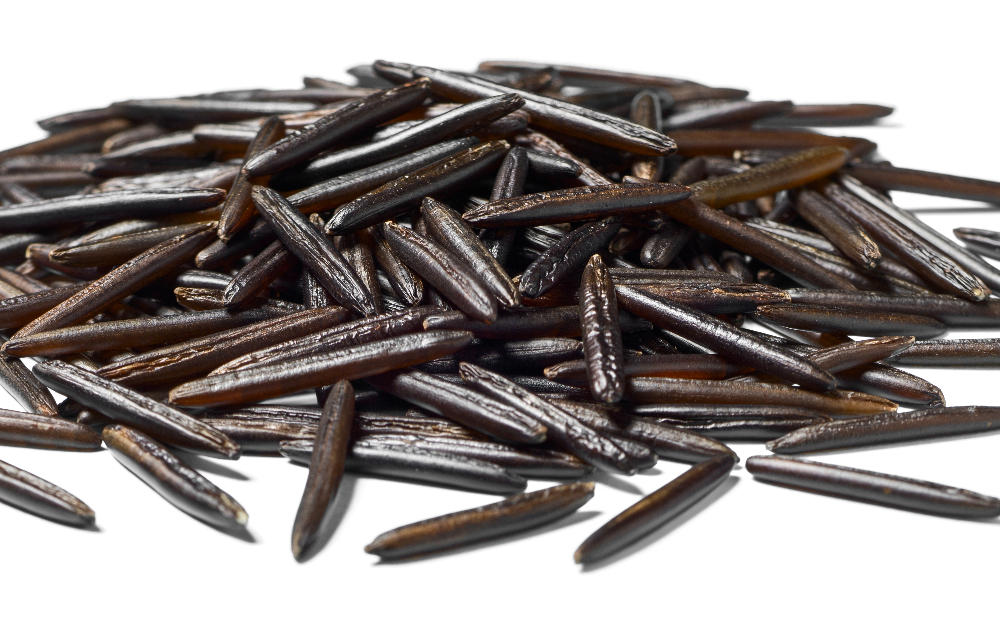
Black rice is the most antioxidant-rich variety, containing anthocyanins that have powerful anti-inflammatory and potentially cancer-fighting properties.
Red rice
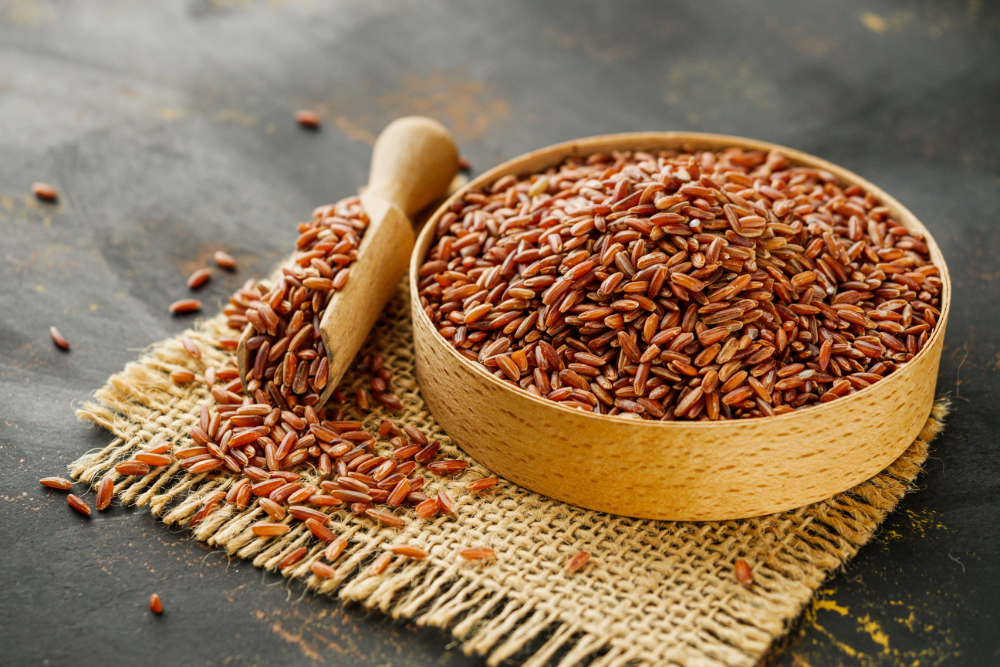
Red rice is packed with flavonoid antioxidants, including apigenin and quercetin, which help reduce inflammation and fight free radicals.
It also has higher fiber and protein content compared to white rice.
Wild rice
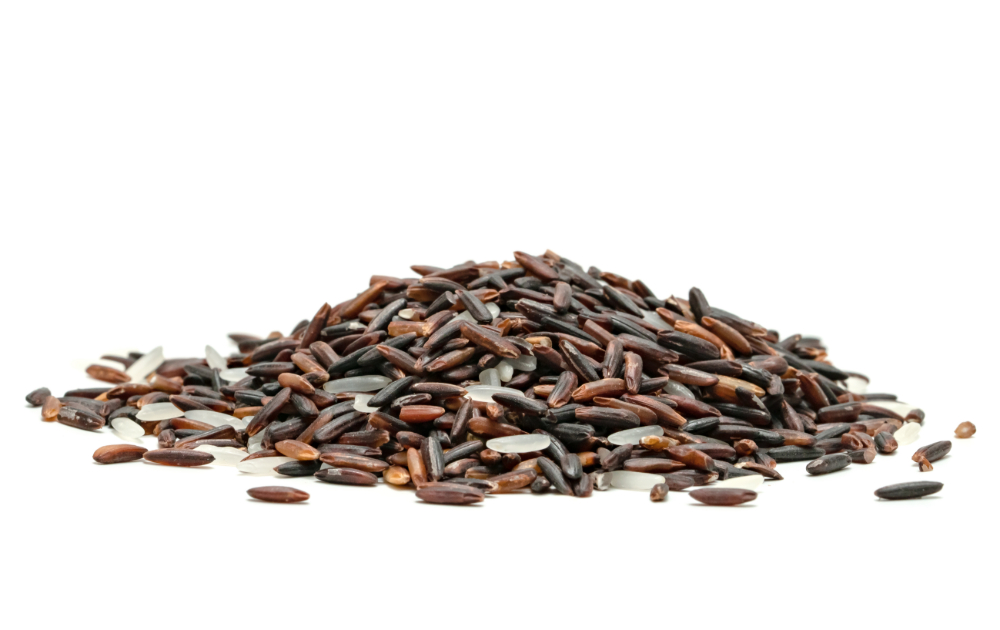
Technically a seed from aquatic grasses, wild rice is rich in protein, B vitamins, and minerals like magnesium.
Studies suggest it may positively impact cholesterol levels and insulin resistance.
Which rice should you choose?

Whole grain varieties like brown, black, red, and wild rice offer more nutrients and antioxidants than white rice.
If you primarily eat white rice, consider pairing it with vegetables, proteins, and healthy fats for a more balanced meal.
Is all rice healthy?
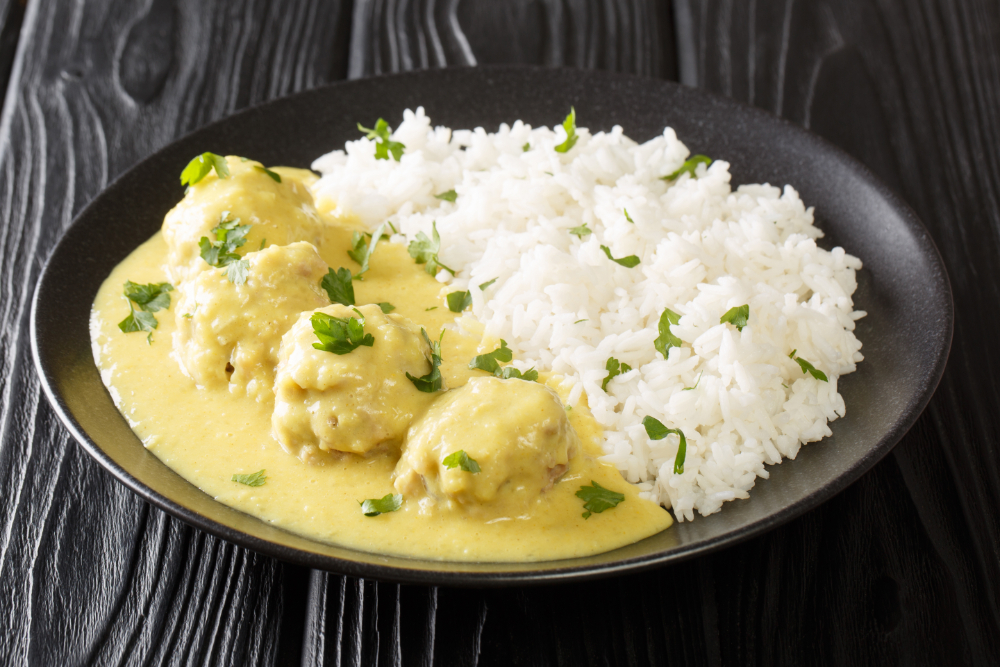
While some types of rice are higher in fiber and antioxidants, all rice can be part of a healthy diet.
The key is to maintain variety and choose cooking methods that preserve the most nutrients.
Choose whole grains
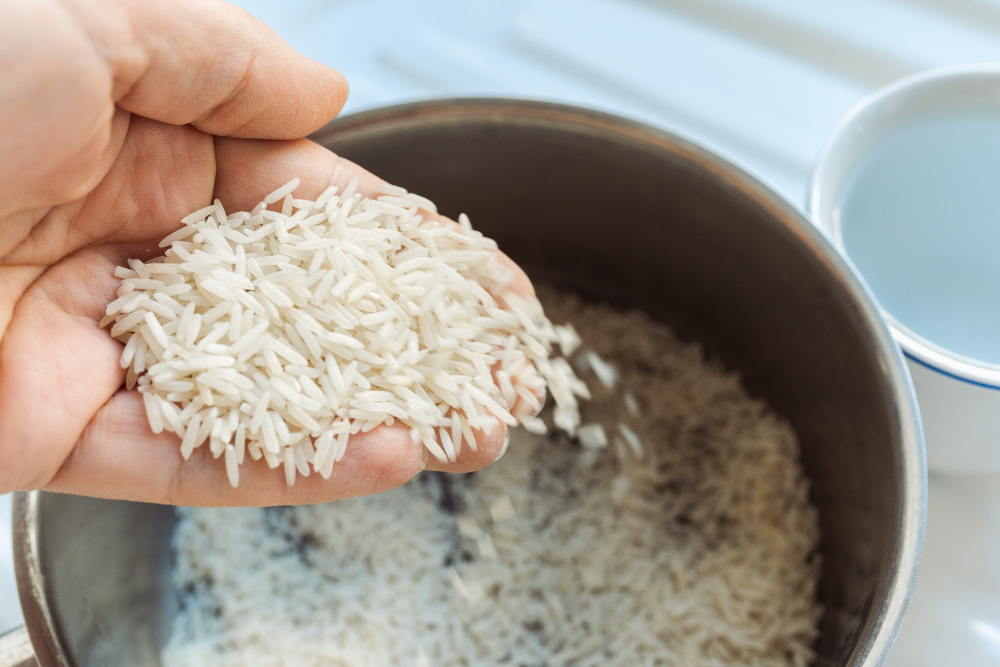
Regardless of the type of rice you prefer, it can be part of a nutritious diet when combined with nutrient-rich foods like vegetables and proteins.
For the most health benefits, consider opting for whole grain varieties such as brown, black, red, or wild rice.
This article is based on information from Healthline.